
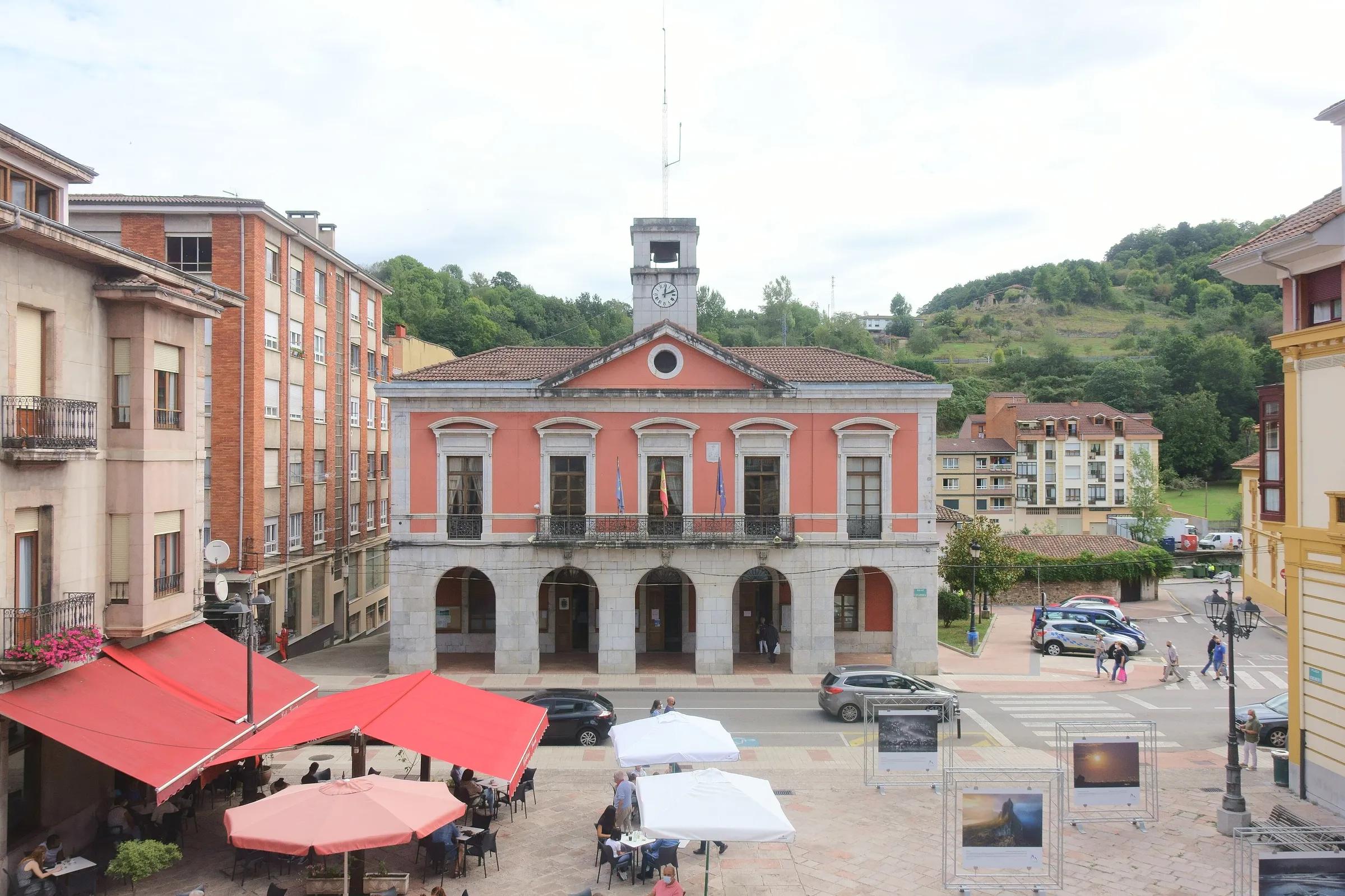
Piloña
Piloña
Hórreo villages, free-roaming ponies and Neanderthal history
Rodelar / Wikimedia Commons, CC BY-SA 4.0
Piloña is a mountain municipality in eastern Asturias, built along the river that gives it its name, with Infiesto as its capital and Villamayor and Sevares as its other main centres. Its northern edge climbs into the Sierra del Sueve, home of the semi-wild asturcón pony, while the south rises towards Vízcares on the border with Ponga. In between lie villages crowded with hórreos, a Romanesque monastery and one of the most important Neanderthal sites in Europe.
Why go
- Walk through Espinaréu, a village where granaries outnumber almost everything else.
- See the asturcón, a native Asturian horse, living free on the slopes of the Sueve.
- Follow the story of the El Sidrón Neanderthals without leaving the valley.
- Serious mountain walking far from the crowds of the Picos de Europa.
Travel, stay and experience
Getting around, where to stay and what to experience around Piloña, from the guide's own records.
Getting around
- Aeropuerto de Asturias (OVD) · 59 km in a straight line
- Estación de Arriondas · 15 km in a straight line
Where to stay
21 registered places to stay within 10 km (straight line). Nearest:
- La Posada de Barro · 1 km in a straight line
- Apartamentos turísticos La Pontiga · 1 km in a straight line
- Hotel Piloñés · 1 km in a straight line
Mapped by volunteers on OpenStreetMap; nothing is booked here.
Things to experience
Straight-line distances, not travel times. Tierra Luma shows no availability or prices and takes no bookings.
What to do here
Villages
The hórreos of Espinaréu
Turismo Asturias counts Espinaréu (Espinaredo) among the largest concentrations of hórreos in Spain. Wander between the raised granaries and the larger paneras, look for the carved decoration on their wooden panels, and listen for the Espinaréu river running through the village.
Mountains
Climb Vízcares from La Pesanca
Turismo Asturias describes a circular mountaineers' route of about 13 km from the La Pesanca recreation area, reached from Infiesto through Espinaréu and Rifabar. It climbs through beech woods and the Majada Cureñu to the Collado Traslafuente on the Ponga border, then along a chain of tops to the summit (1,413 m maximum altitude, around 1,034 m of ascent). Graded very hard, with views over the Cantabrian Sea and the Picos de Europa.
Hiking
A stage of the GR-105
Stage 5 of the GR-105 Ruta de las Peregrinaciones links Espinaréu and Villamayor over roughly 12.5 km of medium difficulty, a good way to see the valley at walking pace. Turismo Asturias notes the line was adjusted because its most mountainous section was hard to follow for walkers without mountain experience.
Food & culture
Clocks and Neanderthals in Infiesto
The Casa del Tiempo holds what Turismo Asturias calls one of the finest collections of antique clocks in Spain, together with the permanent exhibition on the thirteen Neanderthals of El Sidrón. The cave itself is closed to visitors, so this is the place to meet its story.
Villages
Romanesque Villamayor
In Villamayor, the surviving apse, the start of the nave and the south doorway of the monastery of Santa María are what remain of a Romanesque community. Look for the capital on the right of the doorway, carved with a scene known as the Farewell of the Knight.
Leave room for discovery
Ideas, not instructions: take what suits your day.
- Food and a break
- For lunch, Infiesto is about 1 km away in a straight line: wander its streets and see what tempts you. Or bring a picnic and stay outdoors.
- If you have time
- Stop at a bend in the path and just listen.
- Follow the river a little way and see where it leads.
Activities here
Things to do nearby
Activities whose place lies within 25 km in a straight line (not a road distance).
- Food · 12 km awayCider Museum of Asturias, NavaPlaza Príncipe de Asturias, Nava (Comarca de la Sidra).
- Food · 12 km awayNatural Cider Festival in NavaNava, in the Cider Region (central-eastern Asturias).
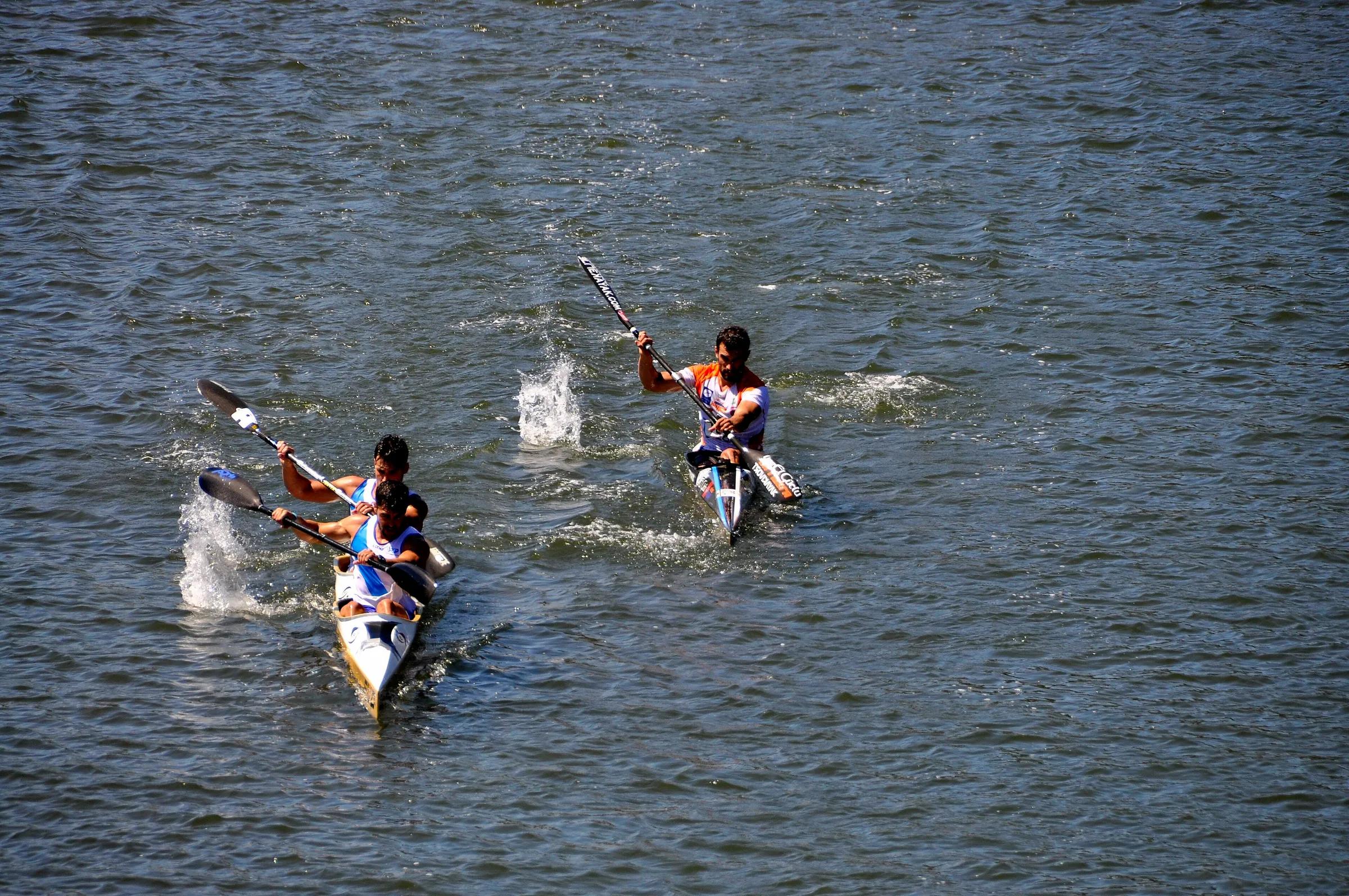
- Canoeing · 15 km awayCanoeing down the Sella riverOn the Sella from Arriondas downstream towards Ribadesella, with take-out points at about 7, 11 and 16 km (Toraño, Llordón and Llovio).
- Rafting · 15 km awayRafting in eastern AsturiasEastern Asturias: Arriondas (Parres), Cangas de Onís and Ribadedeva.
- Culture · 15 km awayValdediós: El Conventín and the Cistercian monasteryValdediós, Villaviciosa (Cider Region, eastern-central Asturias).
- Food · 16 km awayVisiting cider mills (llagares) and apple orchardsCider mills across central and eastern Asturias, especially the Cider Region (Villaviciosa, Nava) and Gijón.
Adventures from here
Piloña
About this place
Protected as: The Cueva del Sidrón is a Reserva Natural Parcial of the Principado de Asturias (Decreto 69/95).
Landscape and rock
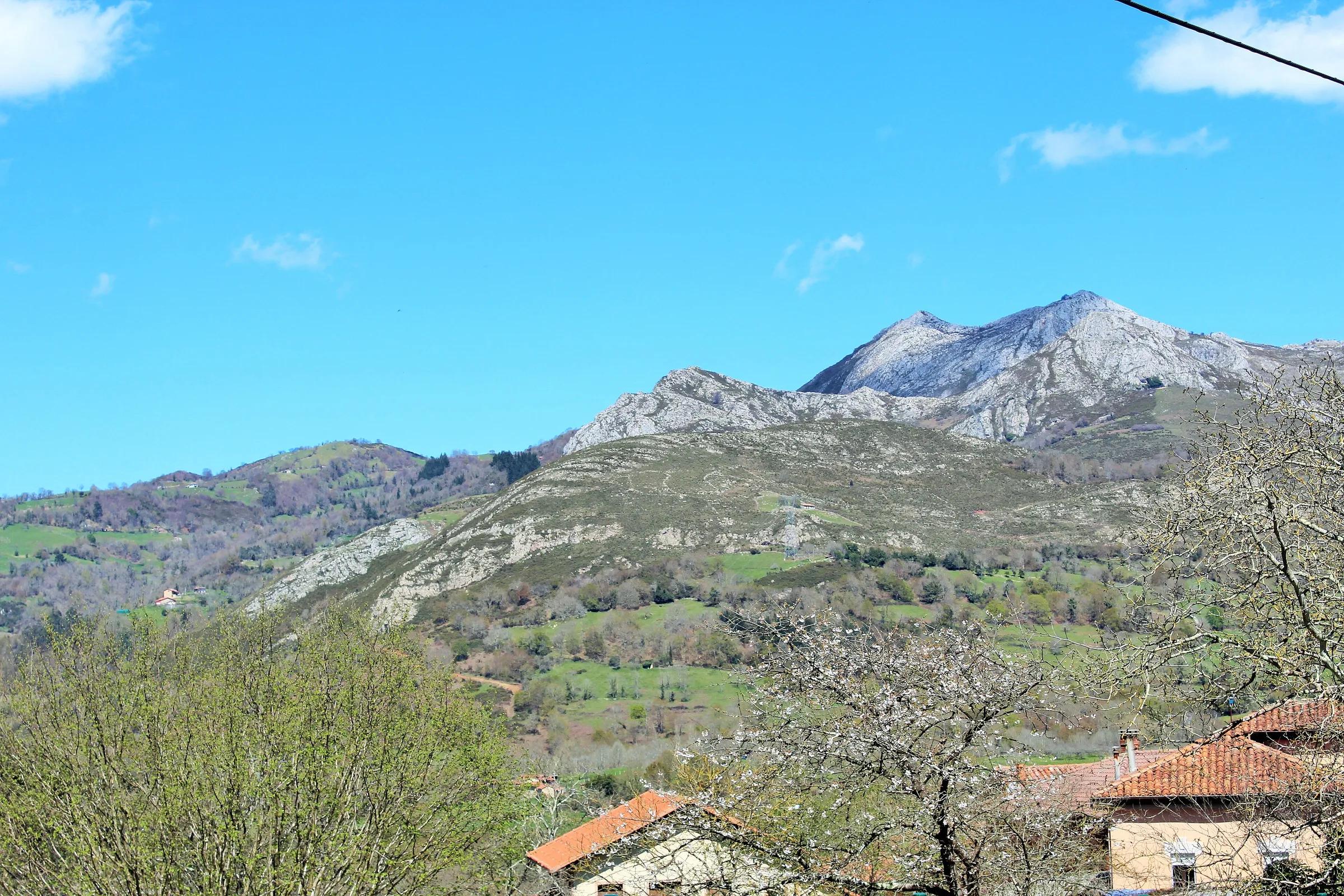
Turismo Asturias describes Piloña as a land of mountains and sierras whose natural setting has stayed largely intact. The River Piloña is its spine, threading the main towns before it reaches the Sella at Arriondas. To the north the Sierra del Sueve, which Piloña shares with Colunga, Caravia and Parres, shelters high pastures such as the Majada de Espineres. To the south the ground lifts through beech woods to Vízcares, where the Collado Traslafuente marks the border with Ponga and the summit ridge looks out over both the Cantabrian Sea and the Picos de Europa. Side valleys like that of the Espinaréu river carry the villages deeper into the hills.
Nature and wildlife
Large stretches of the municipality are wooded with beech, oak, chestnut and hazel, the tree behind Piloña's long attachment to the hazelnut. On the Sueve, the asturcón, a small native horse that came close to extinction, breeds and roams freely; its recovery is credited to the herders and the conservation association that has worked for it since 1980. Underground, the Cueva del Sidrón matters for more than archaeology: the Principado's reserve file records it as a refuge for five species of bats and the place where two beetles new to science were described.
History and culture
In 1994 cavers from Gijón found human bones in the Cueva del Sidrón, near Vallobal, and the site became the most important discovery in Asturian prehistory. Researchers identified a group of at least thirteen Neanderthals, dated to around 49,000 years ago, who appear to have been eaten by another group. Much later, the monastery of Santa María de Villamayor was founded between the twelfth and thirteenth centuries; its community was dissolved and, in 1530, absorbed into San Pelayo of Oviedo, after which the church served as a cemetery, a prison and, from 1910, a school. Today's Fiesta del Asturcón on the Sueve began in 1980 and became a Fiesta de Interés Turístico Nacional in 2019.
jacilluch / Wikimedia Commons, CC BY-SA 2.0
How to get there
Transport and visitor services nearby
- Oficina de turismo de PiloñaTourist office · 1 km
- Oficina de turismo de NavaTourist office · 12 km
- Estación de ArriondasTrain station · 15 km
- Oficina de turismo de ParresTourist office · 15 km
- Oficina de turismo de VillaviciosaTourist office · 16 km
- Oficina de turismo de ColungaTourist office · 17 km
Straight-line distances, never travel times.
Plan your visit
- The Cueva del Sidrón is a protected reserve and is not open to visitors; the exhibition on its Neanderthals can be visited in Infiesto.
- Turismo Asturias lists two waymarked mountain-bike loops from Infiesto, Piloña Este and Piloña Sur, both designed with a return by train.
Accessibility
Infiesto's centre is level and easy to explore. Villages such as Espinaréu have uneven lanes, and the mountain routes are not accessible.
Visit with care
The Sidrón cave is closed to protect its deposits and its bats, so meet its story at the exhibition rather than looking for the entrance. On the Sueve, the asturcones are free-living animals: watch them from a distance, never feed them and keep dogs under control. Hórreos and paneras in Espinaréu are private working buildings, so admire them from the lane. On the long mountain routes, leave gates as you find them and carry everything home.
Local services nearby
- Frontera VerdeAdventure operator · 16 km
- Jaire AventuraAdventure operator · 16 km
- Los Cauces AventuraAdventure operator · 16 km
- Cangas AventuraAdventure operator · 19 km
Straight-line distances, never travel times.
Safety
- Turismo Asturias grades the Vízcares route very hard, with an irregular, demanding final section: only attempt it with mountain experience and good weather.
Getting here & services nearby
The nearest published airport, stations and visitor centres, in a straight line from this place. Check routes and timetables with the operator.
- Aeropuerto de Asturias (OVD)Airport · 59 kmView details
- Estación de ArriondasTrain station · 15 kmView details
- Estación de autobuses de Cangas de OnísBus station · 19 kmView details
- Estación de RibadesellaTrain station · 28 kmView details
- Oficina de turismo de PiloñaTourist office · 1 kmView details
- Oficina de turismo de NavaTourist office · 12 kmView details
- Oficina de turismo de ParresTourist office · 15 kmView details
- Frontera VerdeAdventure operator · 16 kmView details
Also in Piloña
Nearby
Within 30 km in a straight line. Distances are not travel times: valleys and mountain roads decide those.
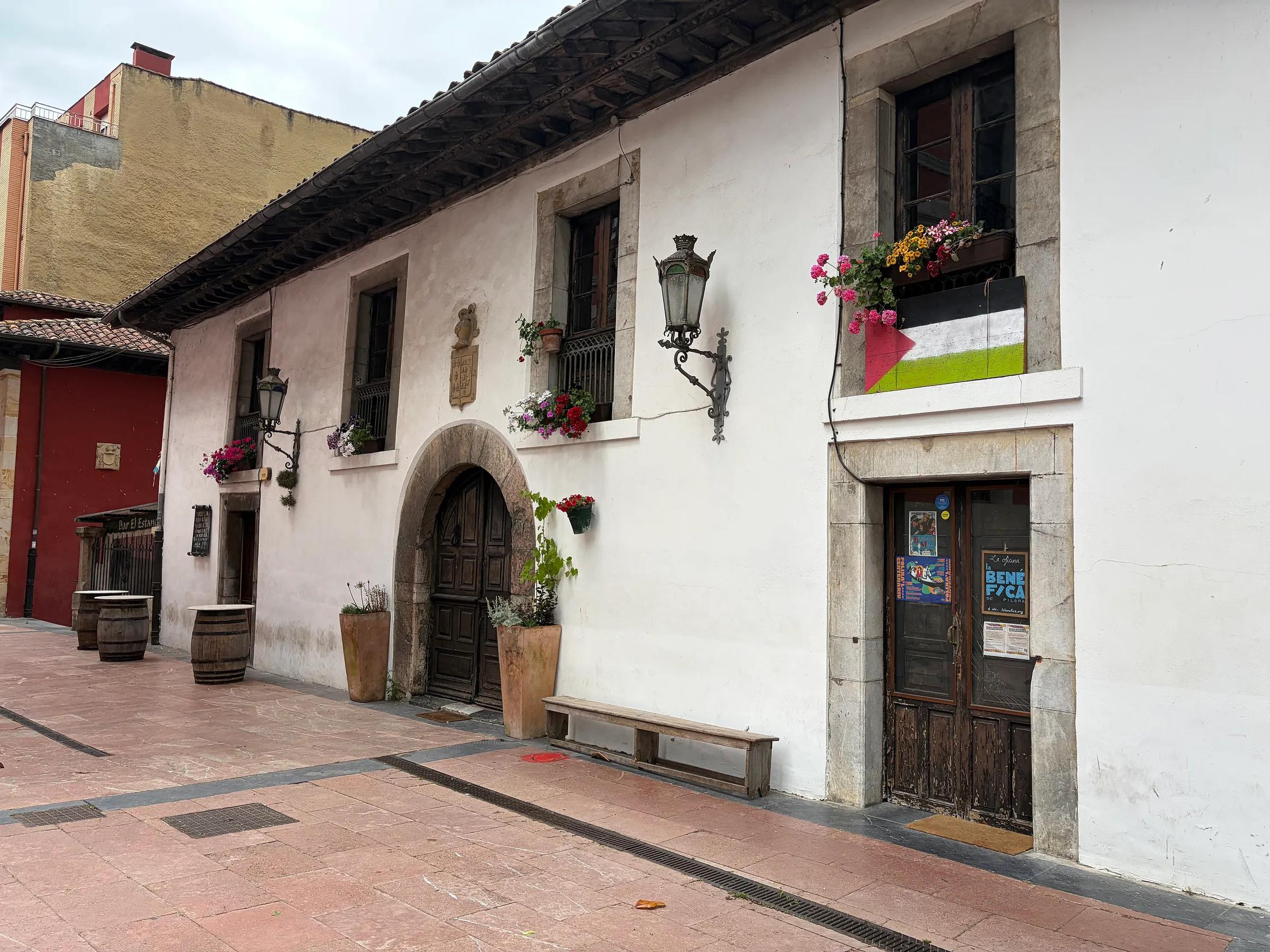
More places nearby
- La Casa del TiempoMuseum · Asturias · 1 kmView details
- Monasterio de Santa María de VillamayorLandmark · Asturias · 5 kmView details
- VillamayorVillage · Asturias · 5 kmDiscover village
- Cueva del SidrónCave · Asturias · 5 kmExplore place
- SevaresVillage · Asturias · 8 kmDiscover village
- Las Praderas de NavaMountain · Asturias · 11 kmExplore place