 80kmh / Wikimedia Commons, CC BY 4.0
The Tierra Luma Story · Feature
More Nature. More Adventure. More Life.
Tierra Luma is two things: a carefully checked guide to the north of Spain, and the plan for a small regenerative village in eastern Asturias. One of them exists today. The other does not yet, and this is what it would be.
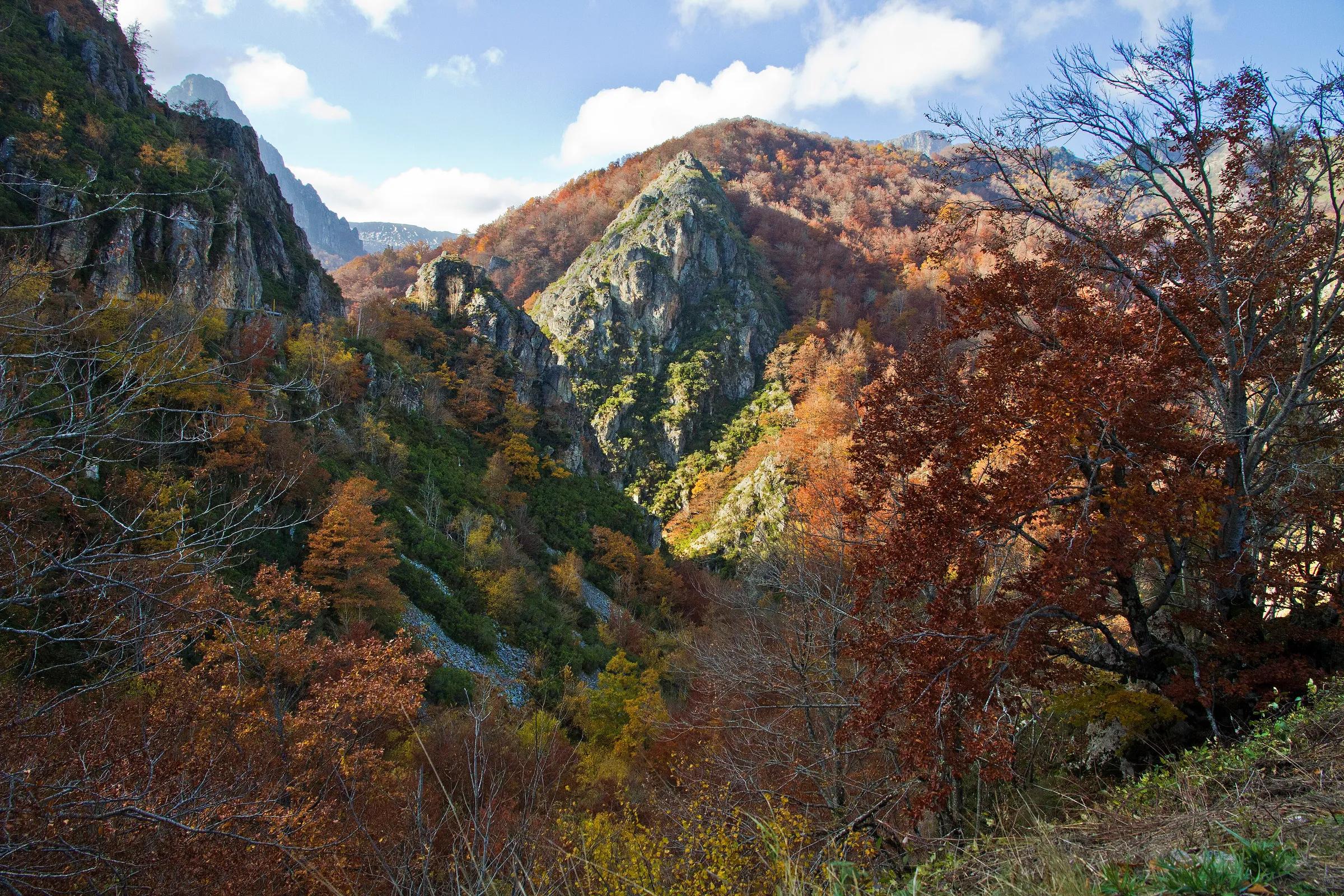
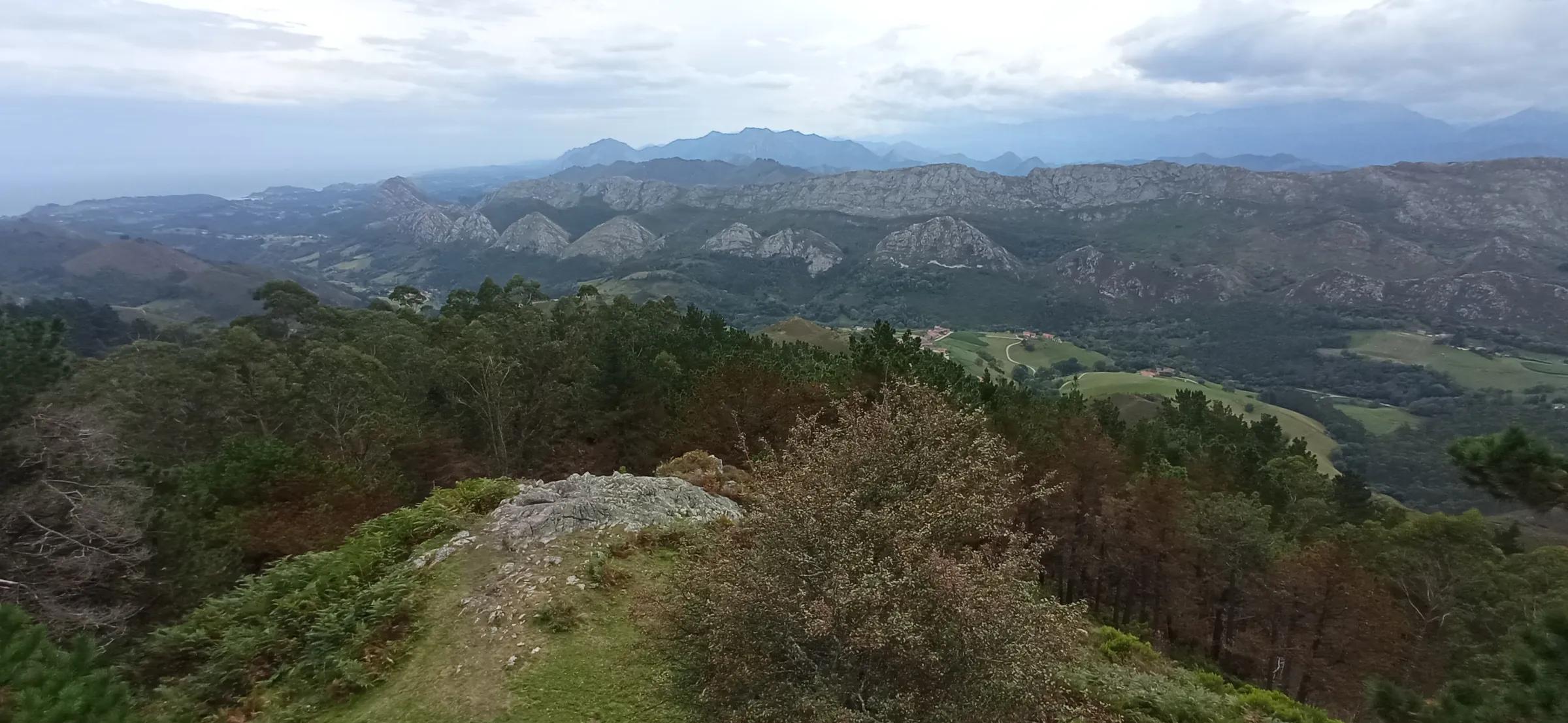
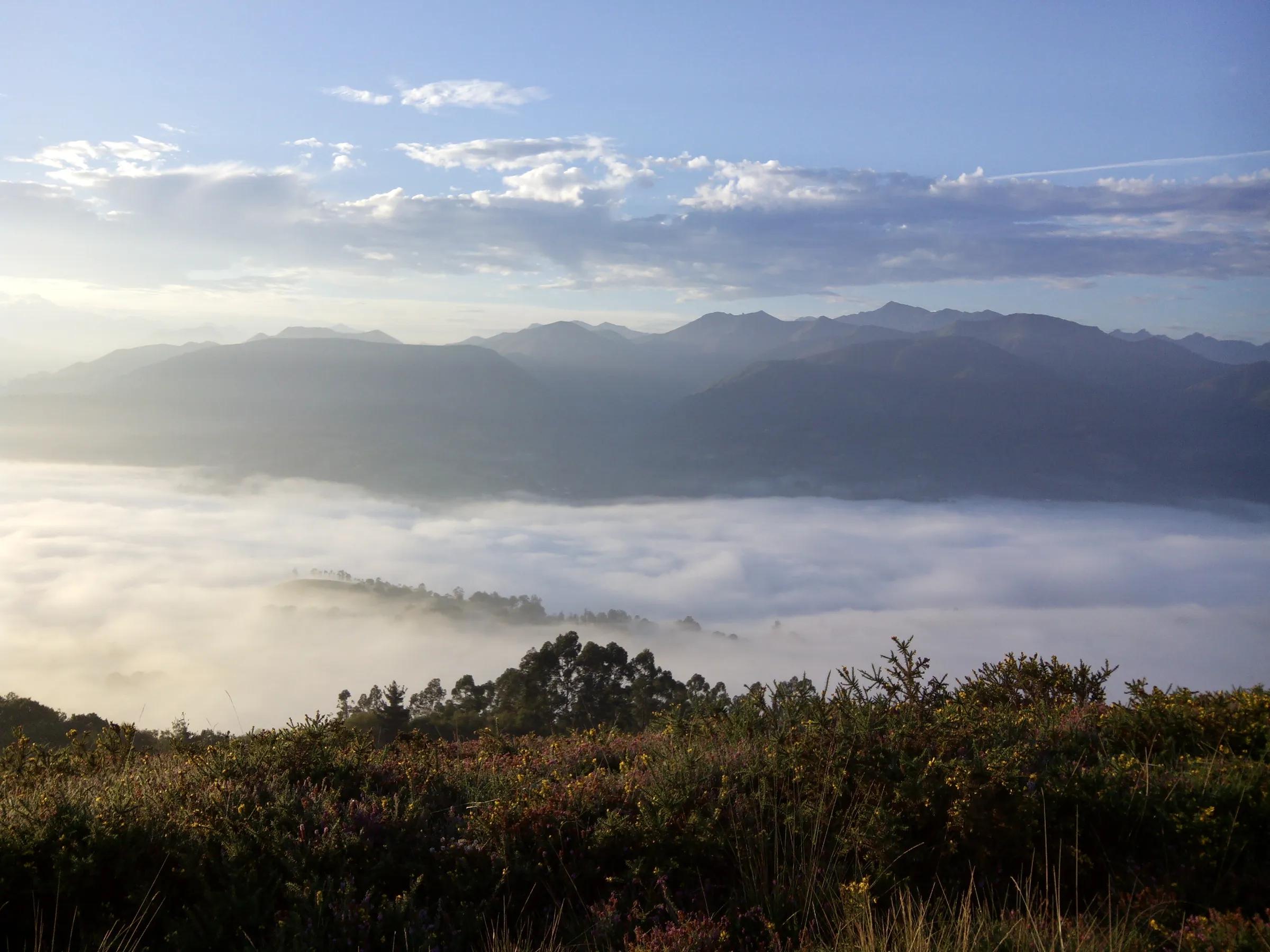
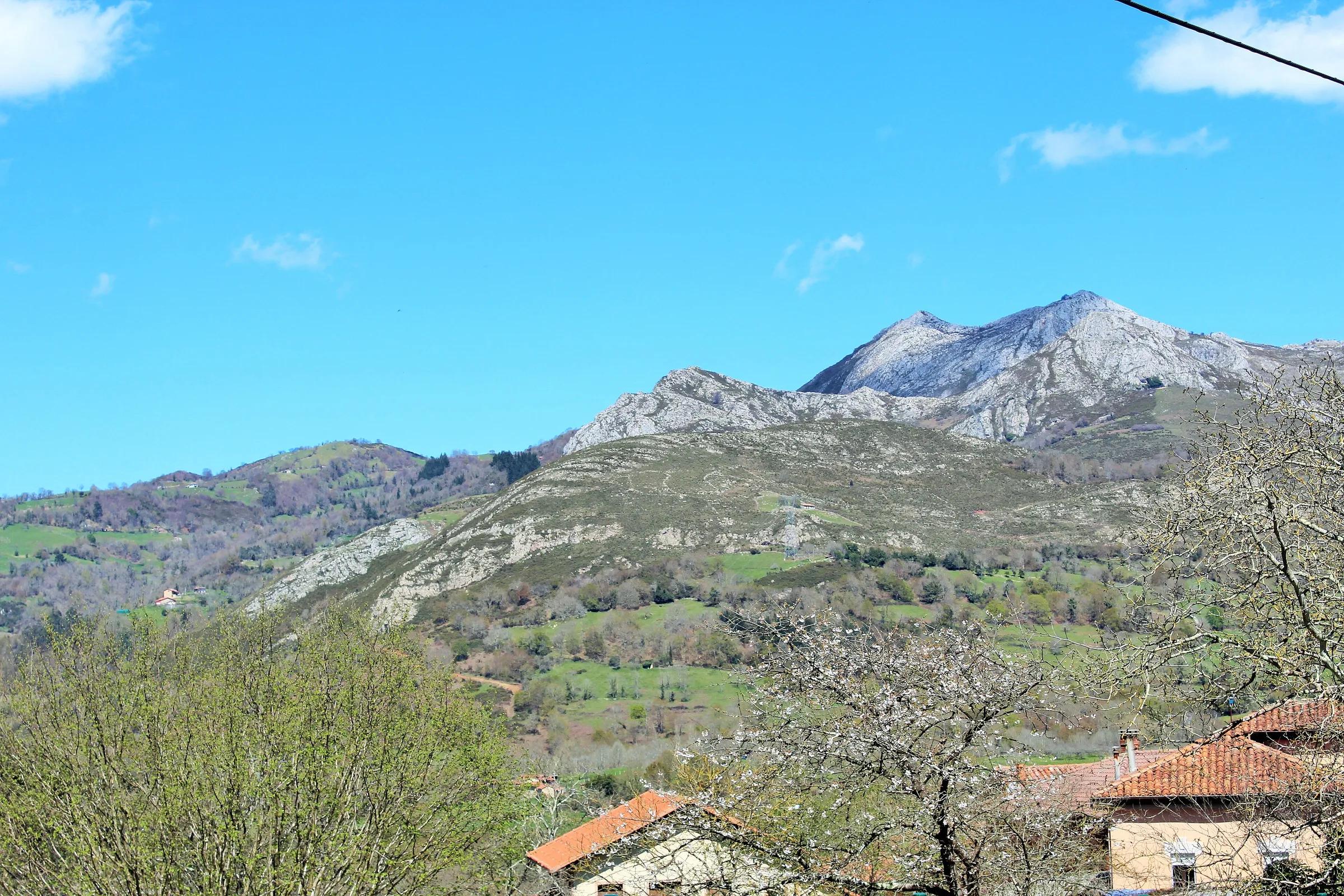
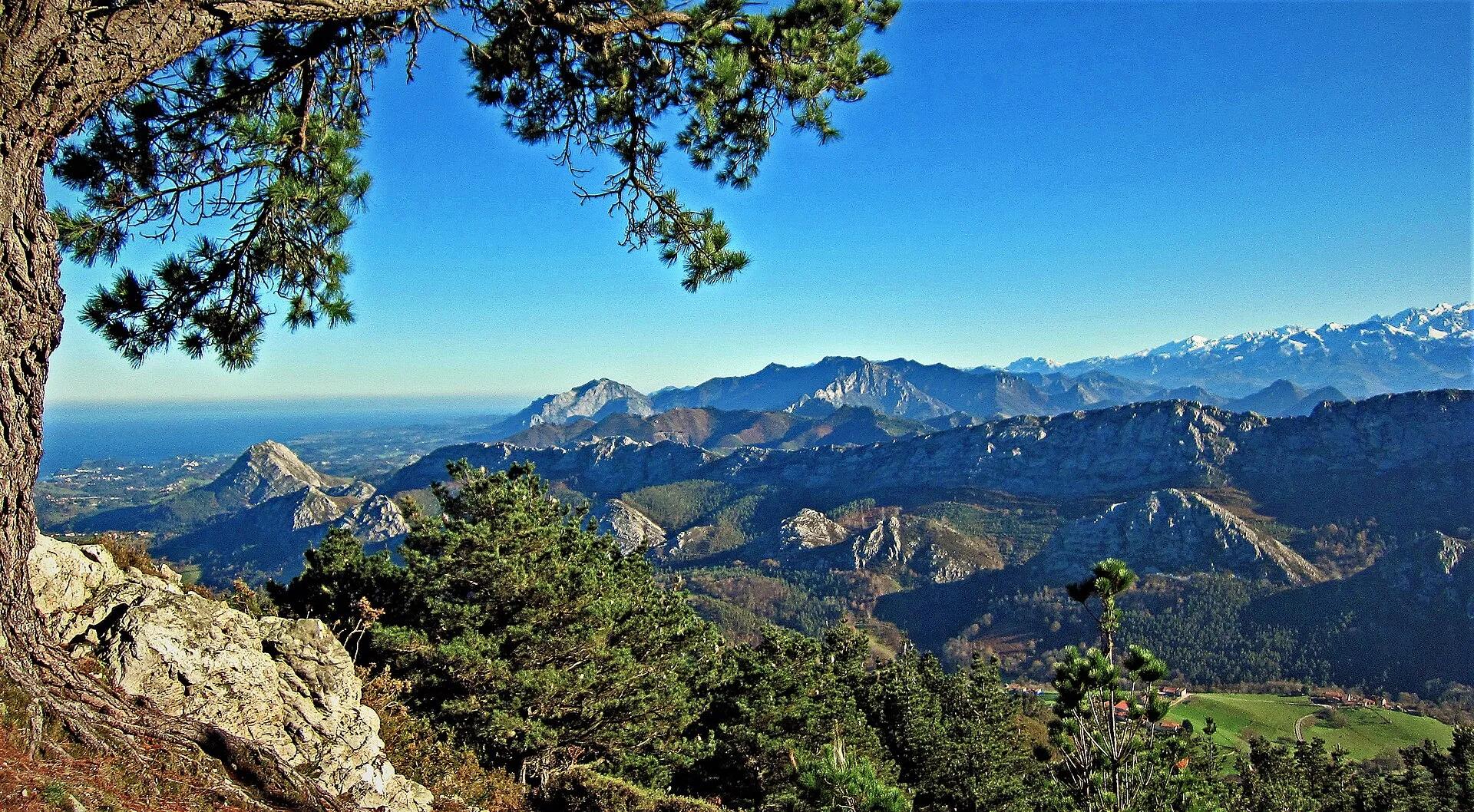
From the Mirador del Fitu the land folds away in long green ridges, one behind the other, until the limestone of the Picos de Europa closes the horizon. Turn round and the Cantabrian Sea is there. Mountains within sight of the sea, valleys of meadow and woodland in between: this is the corner of the north where Tierra Luma began, and where it hopes, one day, to put down roots.
It helps to say clearly what Tierra Luma is, because it is two things at once. The first is this website: a guide to Asturias and the seven provinces around it, Cantabria, León, Palencia, Burgos, Lugo, Ourense and A Coruña, with particular depth in eastern Asturias. The second is a plan: a small regenerative adventure village in the valleys between Infiesto and Arriondas. The guide exists. The village does not, and nothing in this story should be read as if it did.
Chapter oneThe part that exists today
What you can use now is a guide to places, each with the sources it was checked against: towns and villages, beaches and gorges, viewpoints, caves and forests. You can save places, plan trips in My trips and keep them on your own device, read the Journal, and let children explore Tierra Luma Kids. There is also the founder's story, and the meaning of the emblem: the mountains, the river, the tree and the moon.
Tierra Luma sells nothing and takes no bookings. The suggested trips are self-guided: you plan, book and travel on your own. Organised adventures with qualified local guides are part of the plan, and could one day help fund the first Tierra Luma place, but none is offered today and no partner has been agreed.
Chapter twoA village, not a resort
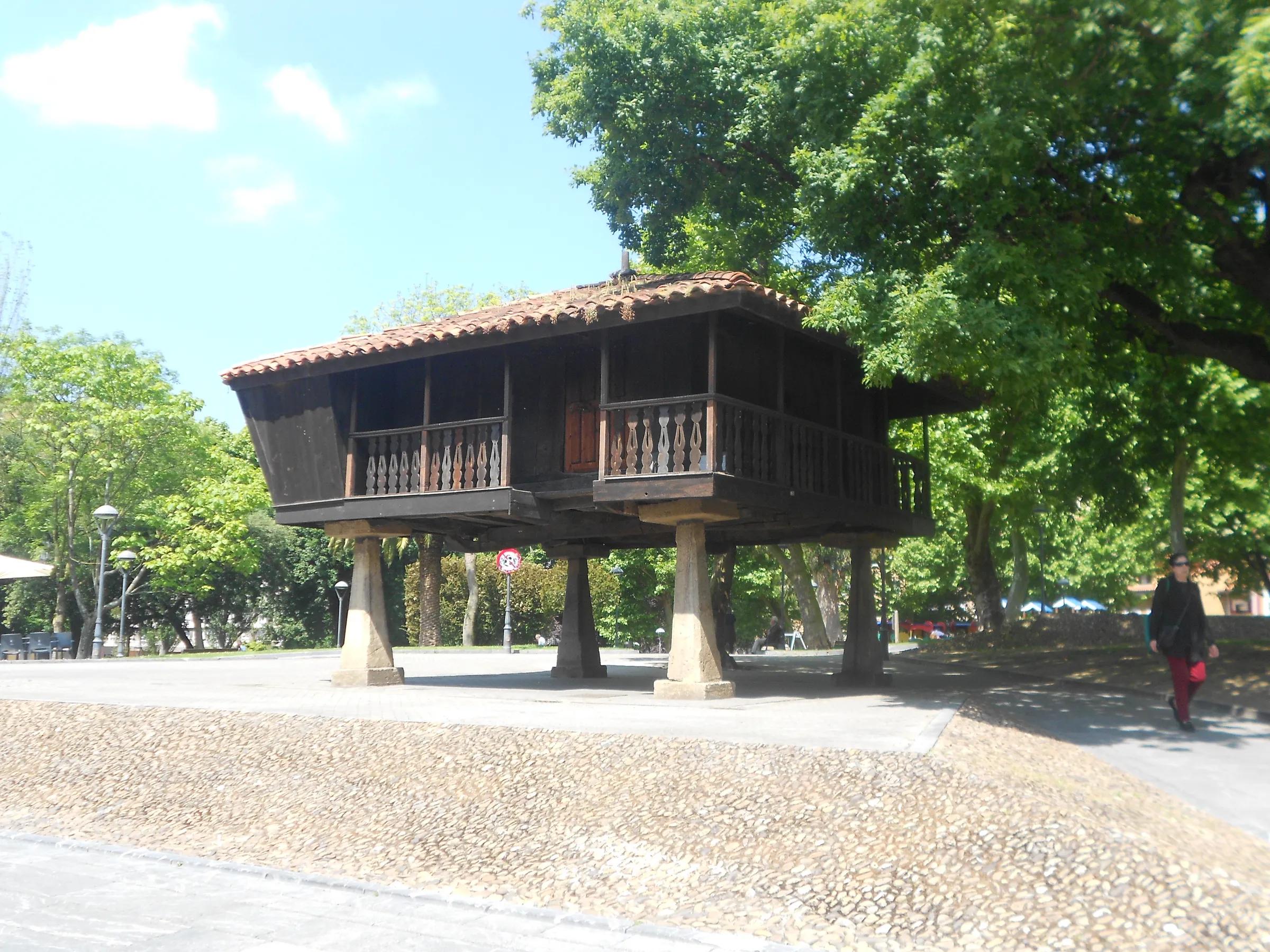
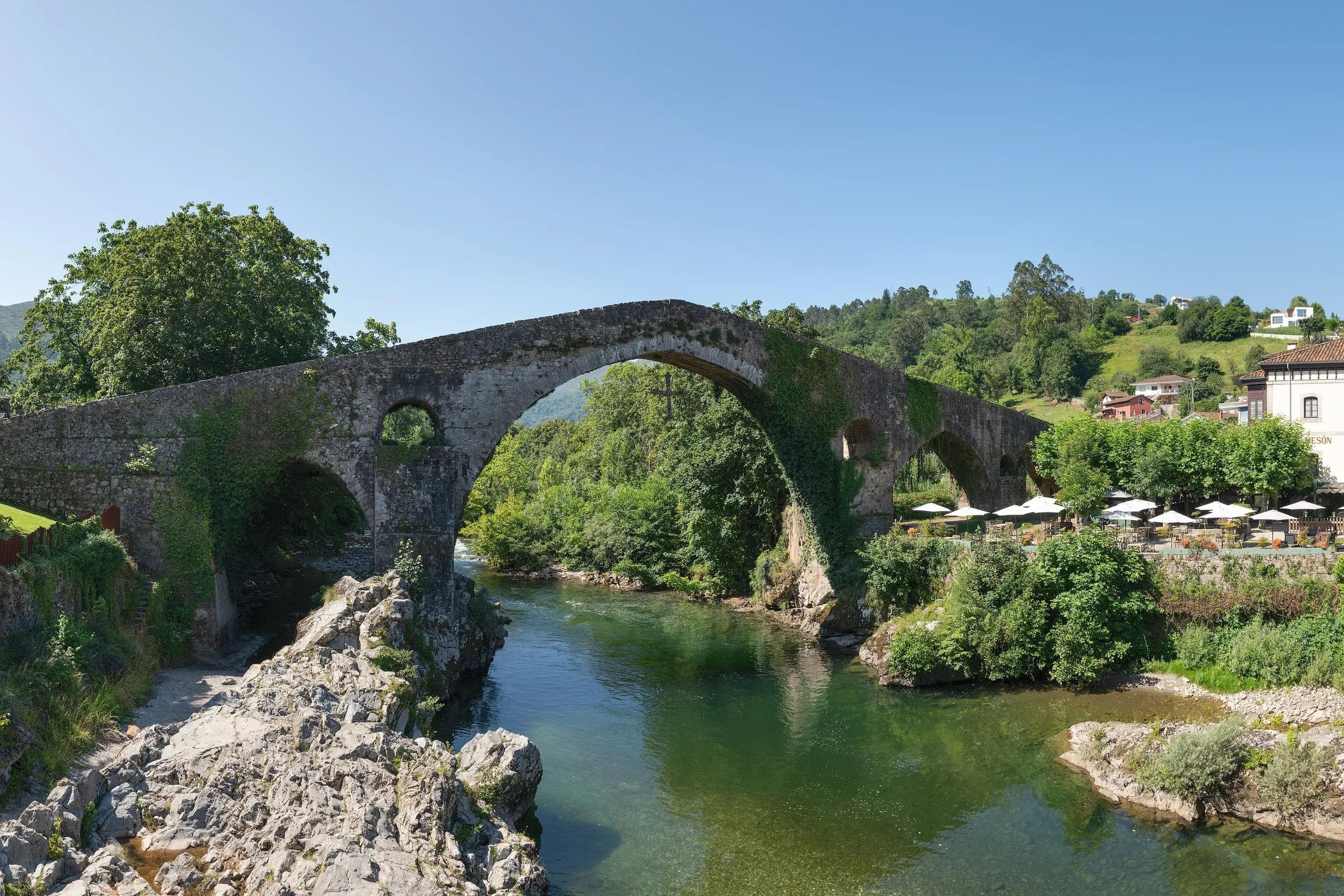
The core idea is modest on purpose. Start with one legally habitable farmhouse, a traditional Asturian building that already stands, keeping its stone, slate and timber. Then, gradually, acquire or lease nearby cottages, gardens, plots and woodland, neighbouring or a short walk apart, until together they become one living village.
One rule governs every step: the next property is bought only when it has a clear use, a legal pathway and funding. A neighbour may never sell, so the plan never depends on one particular neighbour. Restore before building new; grow only as fast as the land allows.
Chapter threeFive pillars, one connected vision
The vision is described in five pillars. They say what Tierra Luma would do, and they are meant to be read together, each feeding the next, rather than as a list of facilities.
- Restore Nature: healthy soil, thriving forests, clean water, biodiversity and regenerative food.
- Stay & Live Well: restored stone houses, nourishing food, movement and real rest, close to nature.
- Explore & Adventure: mountains, rivers and coast, explored with care and with local guides.
- Connect & Belong: shared tables, workshops and gatherings, across cultures and generations.
- Learn & Grow: practical skills, creativity and curiosity, learned by doing at every age.
Chapter fourFive places, one cycle
If the pillars say what, the five Luma elements say where. Luma House would come first: a home with its garden, and the base of a small business, the only property bought at the start. Luma Stays would follow when approved: existing neighbouring cottages renovated and registered for guests one at a time, with small cabins or treehouses only where the land and the planning rules allow.
Luma Farm would grow step by step on separate agricultural land: orchards, vegetables and flowers, food and soil built together and taught to anyone who wants to learn. Luma Forest would come when an opportunity appears: native oak, chestnut and beech protected, replanted where the land needs it, walked lightly. And later, Luma Wellness & Community: approved spaces for shared meals, workshops, gatherings and perhaps a sauna, but only once each use is permitted.
Each part would need the others. The idea is a cycle rather than a building programme: restore the soil, water and native plants first; grow food on healthy ground; share a table, a few beds and days outdoors; and let guests and neighbours learn, and help restore more. In the plan's own words, the land feeds the table, the table brings people, and people help the land recover.
 jacilluch / Wikimedia Commons, CC BY-SA 2.0
 Adolfobrigido / Wikimedia Commons, CC BY-SA 4.0
 Bibliodepolvora / Wikimedia Commons, CC0 1.0
 Giorgio Galeotti / Wikimedia Commons, CC BY-SA 4.0
Chapter fiveWhat does not exist yet
Today the project is at its first real step: searching for land in eastern Piloña and rural Parres. Checking what the rules would allow comes next, before any offer, once a promising plot appears. Much is still open, and the plan says so: there is no site plan and no number of cottages or beds; the energy system, the water supply and the treatment of wastewater depend on a place not yet found; who runs it, and how decisions are made, is still to be shaped.
Owning land in Asturias does not grant the right to build on it. Accommodation, barn conversions, camping, treehouses, events and wellness installations each need written approval first. That is why the plan buys only what can be legally used today, and pays for future potential only when it can be verified.
Chapter sixWhy the motto
More Nature, because everything else depends on it: across rural northern Spain small family farms are being given up, and the patchwork of hay meadows, hedgerows and orchards that feeds insects, birds and people is slowly closing into uniform scrub or giving way to intensive use. The plan's first promise is to restore before building.
More Adventure, because a little discomfort, shared and supported, is where confidence grows, and people protect what they have explored. The Sella, the Picos and the coast are all within reach of the search area; the plan is to work with the guides and outfitters who already know them, not to replace them.
More Life, because many Asturian villages are ageing and losing their young people, and with them the knowledge of how to work this land well. A project like this only belongs if it gives back to the valley: buying from neighbouring producers first, hiring locally where possible, and keeping the door open to neighbours.
The name carries the same idea. Tierra means earth, land, soil, home and roots. Luma is a chosen name, not a Spanish word, meant to suggest light, a soft natural glow and the moon. Together, Earth and Light. Every real step will be recorded in this series and in the progress journal, with its date, and never before it has happened.
Practical details checked on 8 November 2026. Rules, access and seasons change. Check the official sources below before you go.
Sources
- About Tierra Luma: our story, our vision (five pillars) and the projectchecked 8 November 2026
- Tierra Luma: The plan in full (how we might buy, the checks, what is still to decide)checked 8 November 2026
- Tierra Luma: Our story and the meaning of the emblemchecked 8 November 2026
Take it further
If this story set you thinking, here is where to take it next.
Series