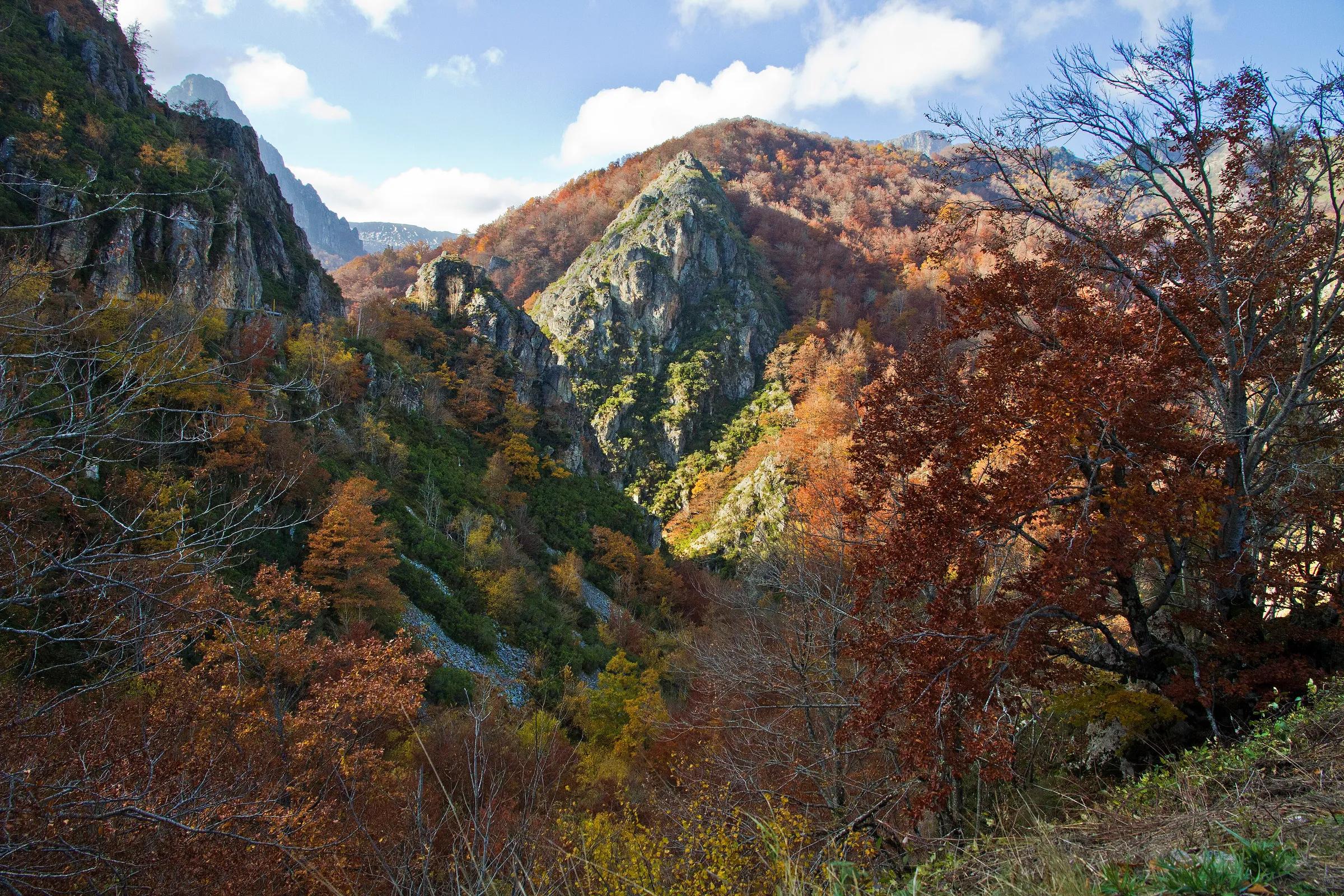
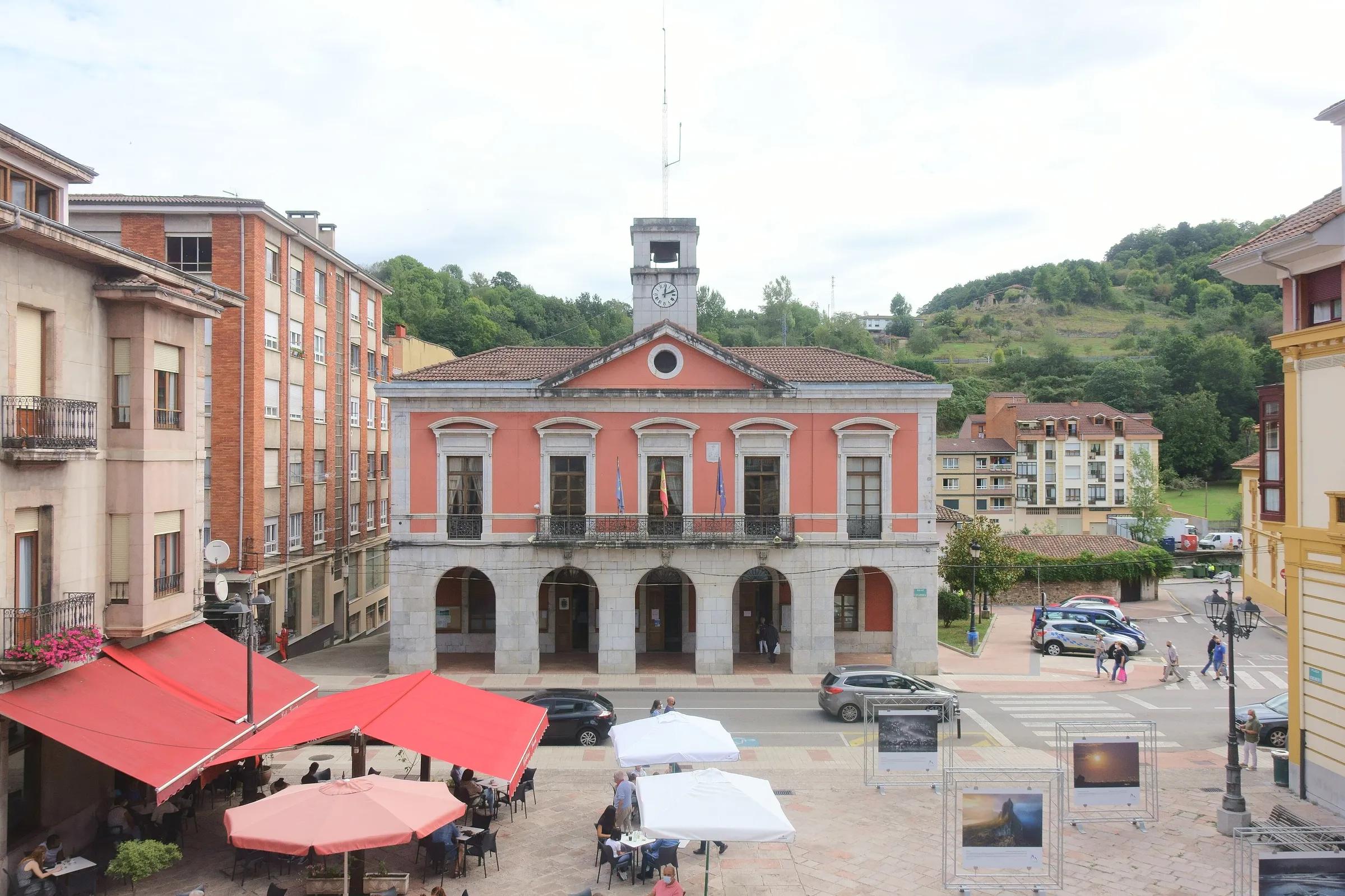
 jacilluch / Wikimedia Commons, CC BY-SA 2.0
The Tierra Luma Story · Tierra Luma diary
Searching for land in eastern Asturias
Where Tierra Luma is looking for its first property, why there, what the right place would need, and what is checked before any offer. With the honest stage of every step.
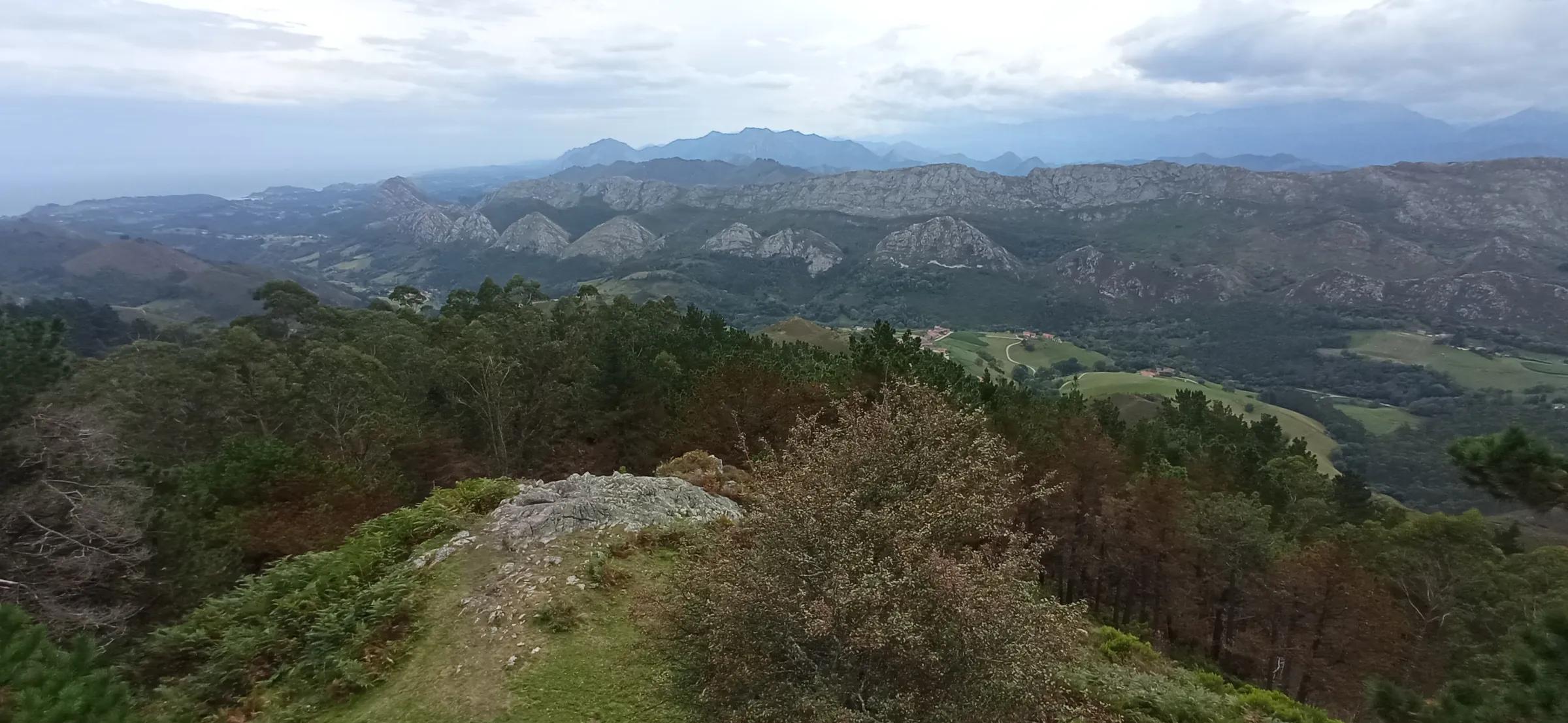
Seen from Monte Cayón, the valley of the river Piloña opens eastwards in a quilt of meadows and woodland, and beyond it the Picos de Europa stand up grey and sudden. Somewhere in valleys like this one, between Infiesto and Arriondas, Tierra Luma hopes to find its first home. It has not found it yet.
Where we are looking
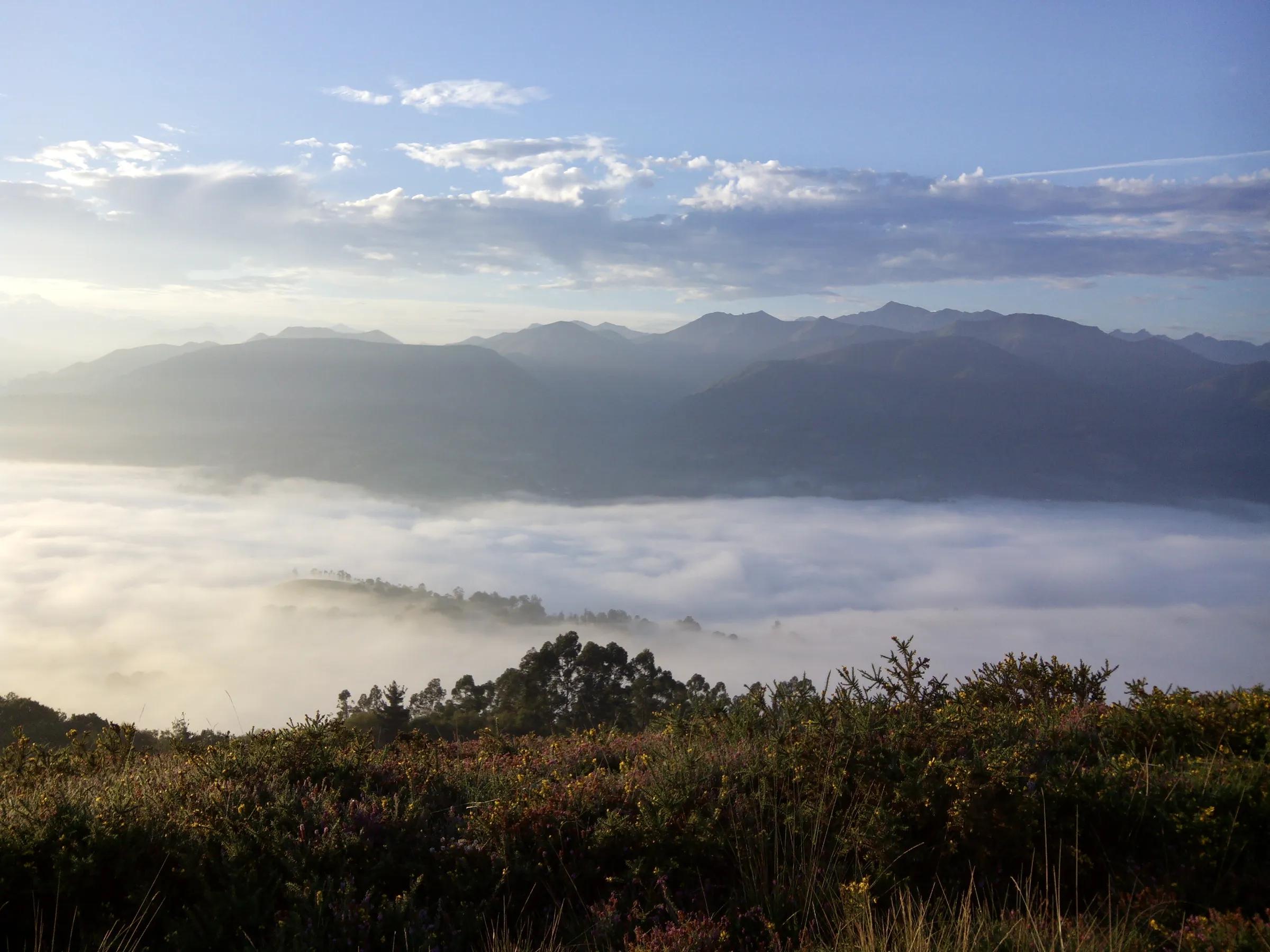
The first choice is eastern Piloña and rural Parres: the valleys around Villamayor, Sevares, Fíos and Bode. Infiesto is the capital of Piloña and Arriondas the capital of Parres, the river and mountain concejo of the Sella and the Sierra del Sueve. These valleys lie close to towns that are alive all year, to the Sella and to the Picos, and about 30 to 40 minutes from the coast.
The choice is deliberate. We favour a beautiful, peaceful place near the activities over the busiest tourist town: ideally 10 to 20 minutes from Arriondas or Infiesto. Three other areas are also considered: Margolles and Peruyes, between Arriondas and Cangas de Onís; selected valleys of Cabrales, at the foot of the Picos around Arenas de Cabrales; and the rural valleys of inland Ribadesella, which are described in words only because no reliable outline was found to draw.

What makes a property right
- Legal and usable: habitable buildings with a lawful status and a viable path to welcoming guests.
- Atmosphere: privacy, forests, valleys and nature close at hand.
- Life nearby: year-round towns, services, visitors and partners within reach.
- Affordable in full: a total cost that still works after taxes, repairs and reserves.
- Room to grow: realistic chances to buy or lease next door, ideally discussed with the owners before buying.
To that the land itself adds a wish list: soils, meadows and woodland that can recover with care; a spring or a stream, and the right to use it; planning rules that allow a handful of low-impact buildings; and a living valley, with neighbours, producers and guides to work with.
How we might buy
The plan weighs three paths. One larger farm with outbuildings would put everything in one place from the start, but its purchase and repairs could take the whole budget, and agricultural land may not allow guest accommodation. Several smaller properties over time limit the first commitment, but bring taxes and fees on every purchase and can leave access and services fragmented.
The preferred path is a hybrid: a compact traditional casería or quintana with a legal house, one or two outbuildings and a modest piece of land, with room to grow nearby. If a good larger farm appears, choose it instead. The rule beneath all three: buy what can be legally used today, and pay for future potential only when it can be verified.
Before any offer: the checks
A promising plot is checked before anything is signed, and a local architect and lawyer verify each point in writing. On the legal side: the nota simple from the Land Registry, showing the owner and any charges; the Catastro record and the real boundaries on the ground; how the municipal plan classifies the land, the lawful status of every building, the rights to renovate or change its use, and the exact tourism classification that would be possible. Then access and services: road access, water, power, connectivity and wastewater. Then nature and risk: protected areas and species, flood risk, the wildfire season, water rights from the river basin authority, and a first walk with an ecologist.
Where each step stands
- Done
The plan, written down in the open
The Vision and Plan were published on tierraluma.com: grow a village, not a resort; the five Luma elements; where we are looking; how we might buy; and what is checked before any offer.
- In progress
Search for land
Under way in eastern Piloña and rural Parres first. Comparing places against the criteria, and saying no to land that does not fit. No property has been chosen.
- Planned
Check it before buying
The legal, services and ecological checks above, in writing, with a local architect and lawyer. They begin only when a promising plot is found.
- Planned
Buy, carefully
In Spain a purchase usually starts with a contrato de arras and ends with a deed signed before a notary and registration in the Land Registry. An independent lawyer would check each step.
- Vision
Study the land, then restore it
A baseline of soils, water, plants and wildlife before anything changes; then hedgerows, native trees, ponds and the first gardens, before any building.
If you know of land that might fit, the plan page has a contact form: choose “Land that might fit”. Every message is read, and nothing you send is published. When the search produces a property, it will be recorded here, with its date.
Practical details checked on 8 November 2026. Rules, access and seasons change. Check the official sources below before you go.
Sources
- Tierra Luma: The plan in full (search areas, criteria, how we might buy, the checks)checked 8 November 2026
- Tierra Luma: The Vision (roadmap and status)checked 8 November 2026
- Turismo Asturias: Parres (capital Arriondas; the Sella and the Sueve)checked 8 November 2026
- Turismo Asturias: Piloña (capital Infiesto; Villamayor and Sevares)checked 8 November 2026
Take it further
If this story set you thinking, here is where to take it next.
Series