 Giorgio Galeotti / Wikimedia Commons, CC BY-SA 4.0
Life & Culture · Feature
Asturian cider culture
An arm raised high, a thin gold thread of cider breaking on the rim of a glass: why Asturians pour from above, what UNESCO recognised in 2024, and how the apple year shapes the Comarca de la Sidra.
The bottle is held high, the arm fully stretched; the glass is held low and tilted, almost at the waist; the eyes stay fixed on the rim. Between the two, a thin thread of pale gold falls through the air and breaks against the edge of the glass with a short hiss of foam. A finger or two of cider, no more. It is drunk at once, while it is still lively, and the glass goes back to the pourer. In Asturias this small ceremony is repeated countless times a day, in cider houses and village squares, at picnics and festivals, and in 2024 UNESCO inscribed the whole culture around it on the Representative List of the Intangible Cultural Heritage of Humanity.
Chapter oneWhat UNESCO recognised
The element is called 'Asturian cider culture', in Spanish 'Cultura de la sidra asturiana', and it was inscribed in 2024 at the nineteenth session of the Intergovernmental Committee. UNESCO describes it as the spaces and processes for producing, serving and enjoying natural cider in Asturias. Cider, it says, is a symbol of local identity, made by fermenting the must of native apple varieties, and the orchards are a key part of the Asturian landscape.
What the inscription protects is less a drink than a way of passing things on. The knowledge of soils, climate and apple varieties, and of each step in the making, is handed down within families. Pouring and tasting are learned orally and by imitation. Cidermakers are a presence in social spaces, from cider houses and chigres, the Asturian word for a tavern of any kind, to picnic areas; cider runs through local cooking and through pilgrimages, pouring and tasting competitions, the amagüestos of the chestnut season and the espichas, festive gatherings where cider is drunk straight from the barrel. UNESCO also links the practice to sustainable production and to the preservation of rural landscapes.
Chapter twoFrom the pumarada to the llagar
Everything begins in the orchard. The official specification of the Sidra de Asturias designation explains that, over centuries, Asturian farmers selected apple trees grown from seed, choosing the most productive, best adapted and best for cider, and grafted from them. The result is a large number of local cider varieties, and orchards that are always planted with several of them. The specification sorts them by acidity and phenolic content into nine technological groups, from sweet to bitter-acid, with names such as Blanquina, Raxao, Regona, Verdialona and Coloradona. Asturias, it says, can be considered a secondary centre of diversity for the apple.
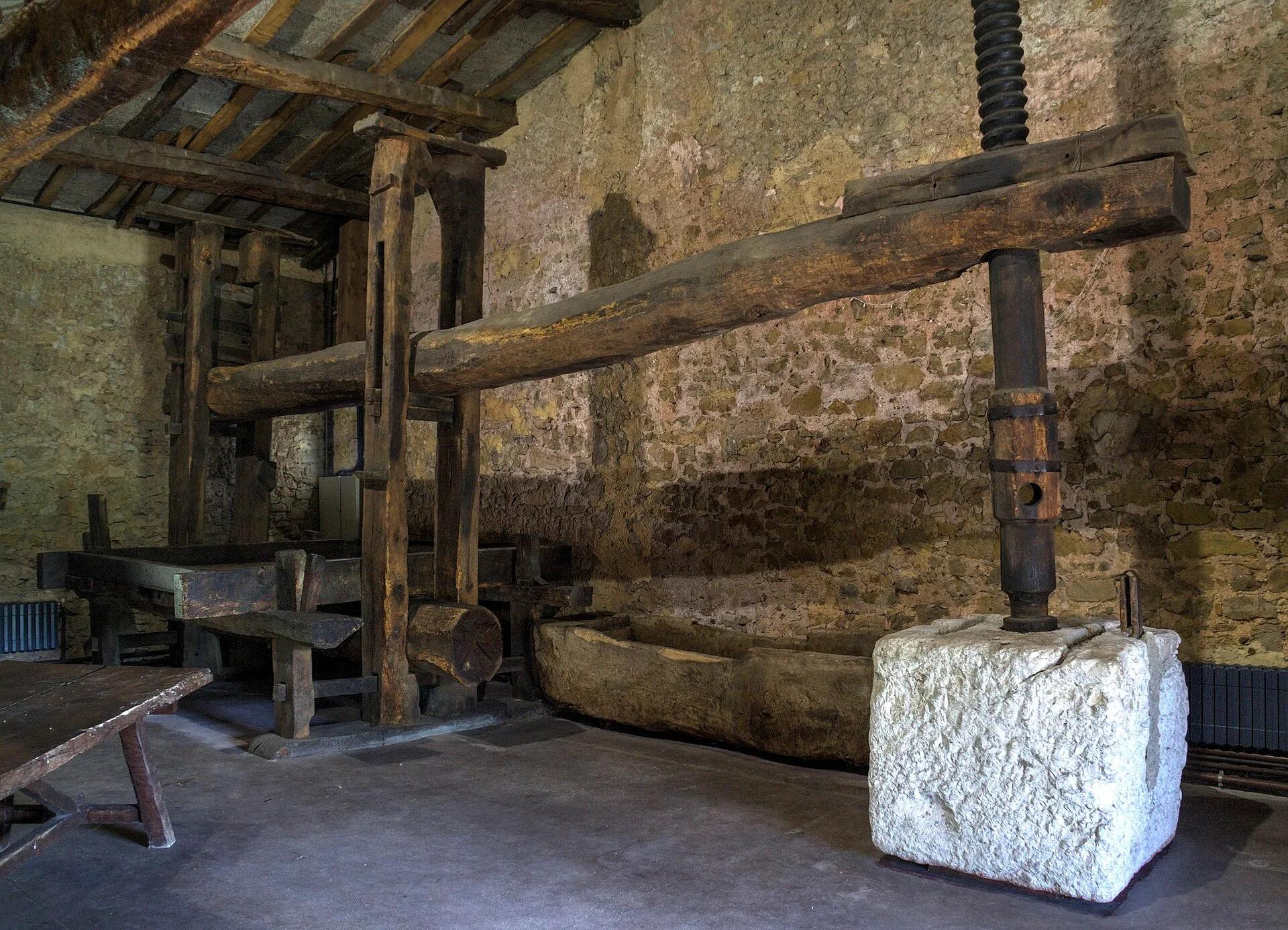
Turismo Asturias places the start of the cider year between October and November, when the fruit ripens. The apples go to the llagar, the cider mill, where the great wooden beam presses of the past have mostly given way to hydraulic ones that extract the last drop. Then comes fermentation, which the tourism board calls a journey with no return, lasting at least three months. The old presses survive as monuments: the vast wooden llagar of the Palacio de Meres in Siero is one of them, and the regional heritage law lists old cider and wine mills among the ethnographic elements it protects.
 Ángel M. Felicísimo from Mérida, España / Wikimedia Commons, CC BY 2.0
 Linda Hartley from London, UK / Wikimedia Commons, CC BY 2.0
 Zarateman / Wikimedia Commons, CC BY-SA 3.0
Chapter threeThe Sidra de Asturias designation
Since 2003 natural cider has had a Protected Designation of Origin, 'Sidra de Asturias'. Its production area is the whole of the Principado, all 78 concejos, and it covers two products. Sidra natural is made by the total or partial fermentation of fresh apples or their must, following traditional practice, with no added sugar and with gas of exclusively natural origin, and at least 5 per cent alcohol. Sidra natural espumosa, the sparkling version, comes from a second fermentation and has at least 5.5 per cent. Both must be made from the traditional varieties listed in the specification. The designation's regulatory council is the official body that certifies a cider as DOP.
The same document gives a sense of scale: some 6,500 hectares of Asturias are planted with cider apples, and around 80 per cent of Spain's cider comes from the region. It also notes how familial the trade remains: more than 60 per cent of the commercial cider mills have been inherited.
Chapter fourWhy it is poured from on high
Natural cider is still: its gas is its own, and there is not much of it. Escanciado is the answer. Turismo Asturias describes the cider thrown through the air from just the right height, arm outstretched and eyes fixed, so that it breaks against the rim of the glass in a brief effervescence. Done well, the pour fills the cider with oxygen and freshness and wakes it up for the few seconds it takes to drink. Hence the small measure, the culín of a couple of fingers, poured in the same amount for everyone, and hence the speed: the cider is at its best the moment it lands.
Asturians have words for how a cider behaves in the glass: the pegue, the espalme, the aguante, and the speed at which the gas escapes after the pour. They are the vocabulary of tasting competitions and of every conversation at the bar. The skill itself is learned the way UNESCO describes, by watching and copying, and a good escanciador is admired as much for the calm as for the height.
Chapter fiveThe Comarca de la Sidra
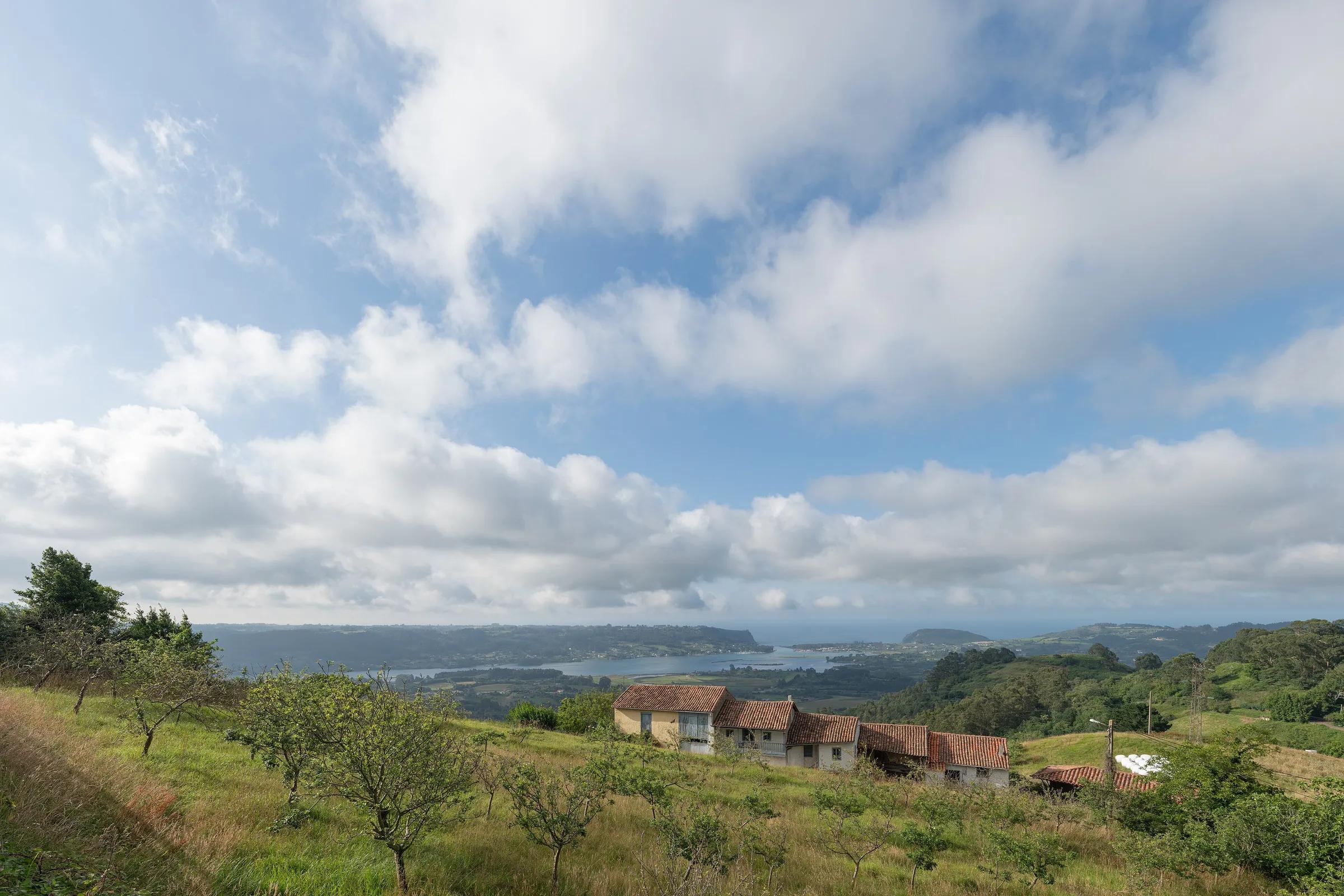
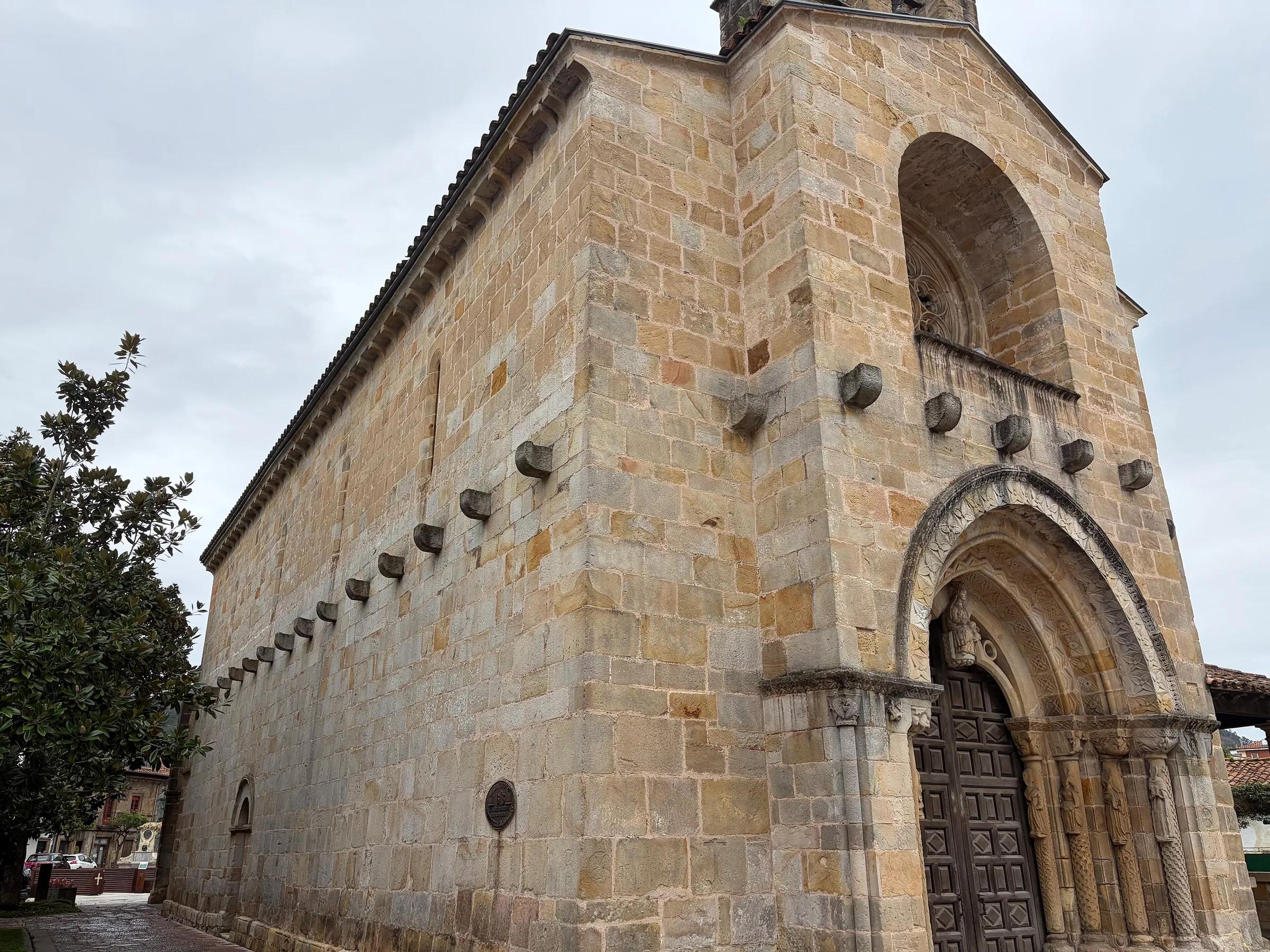
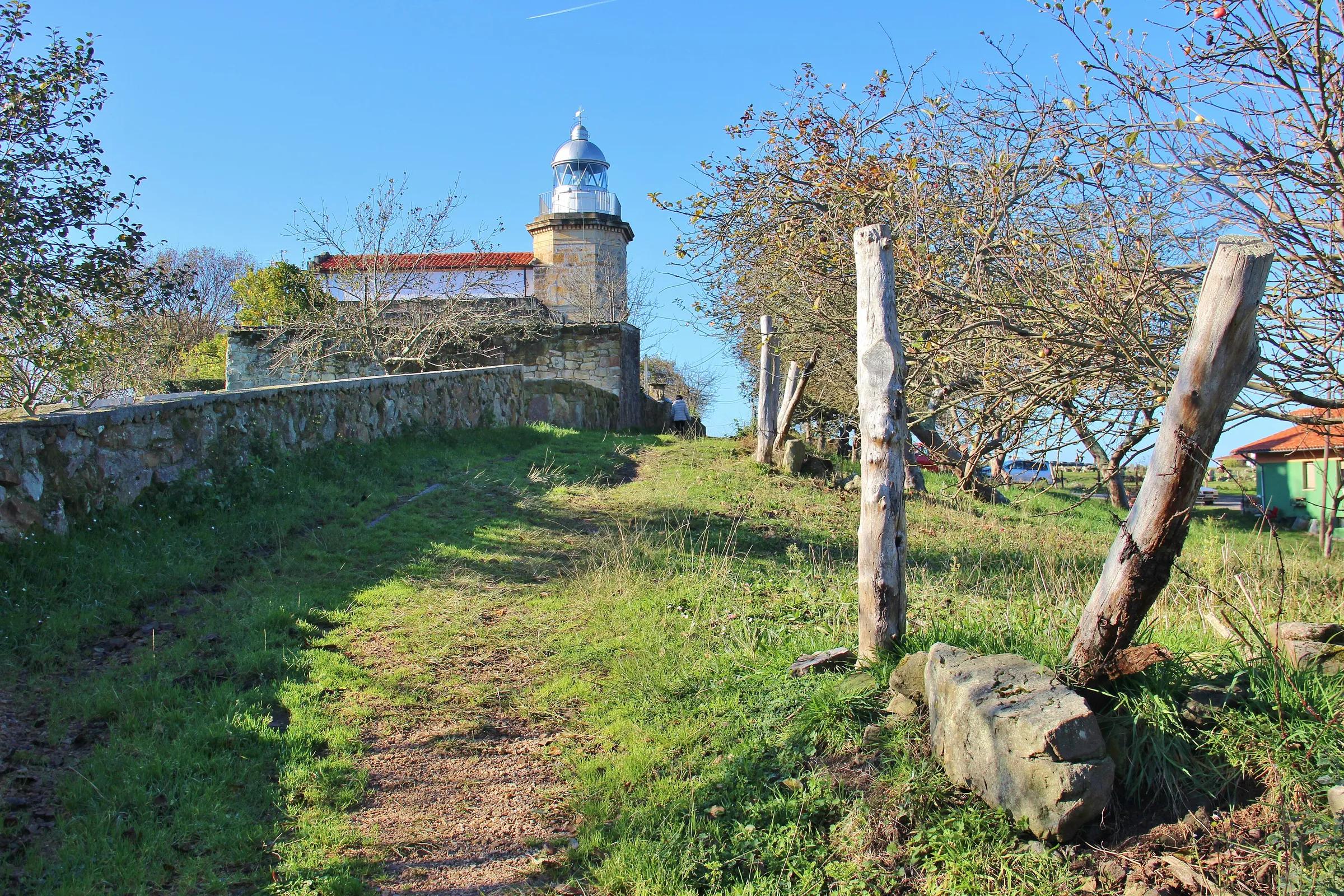
Cider is made all over Asturias, but one district carries its name. The Comarca de la Sidra joins six concejos east of Gijón and Oviedo: Villaviciosa and Nava, its two great cider centres, with Cabranes, Bimenes, Colunga and Sariego. Villaviciosa has Pre-Romanesque and Romanesque churches in abundance and a broad estuary; its port of Tazones is pure seafaring village, and inland Sietes gathers a large number of hórreos and paneras. Nava, the other cider concejo, is the land of llagares and espichas, and Colunga mixes orchards with beaches, dinosaurs and fishing villages.
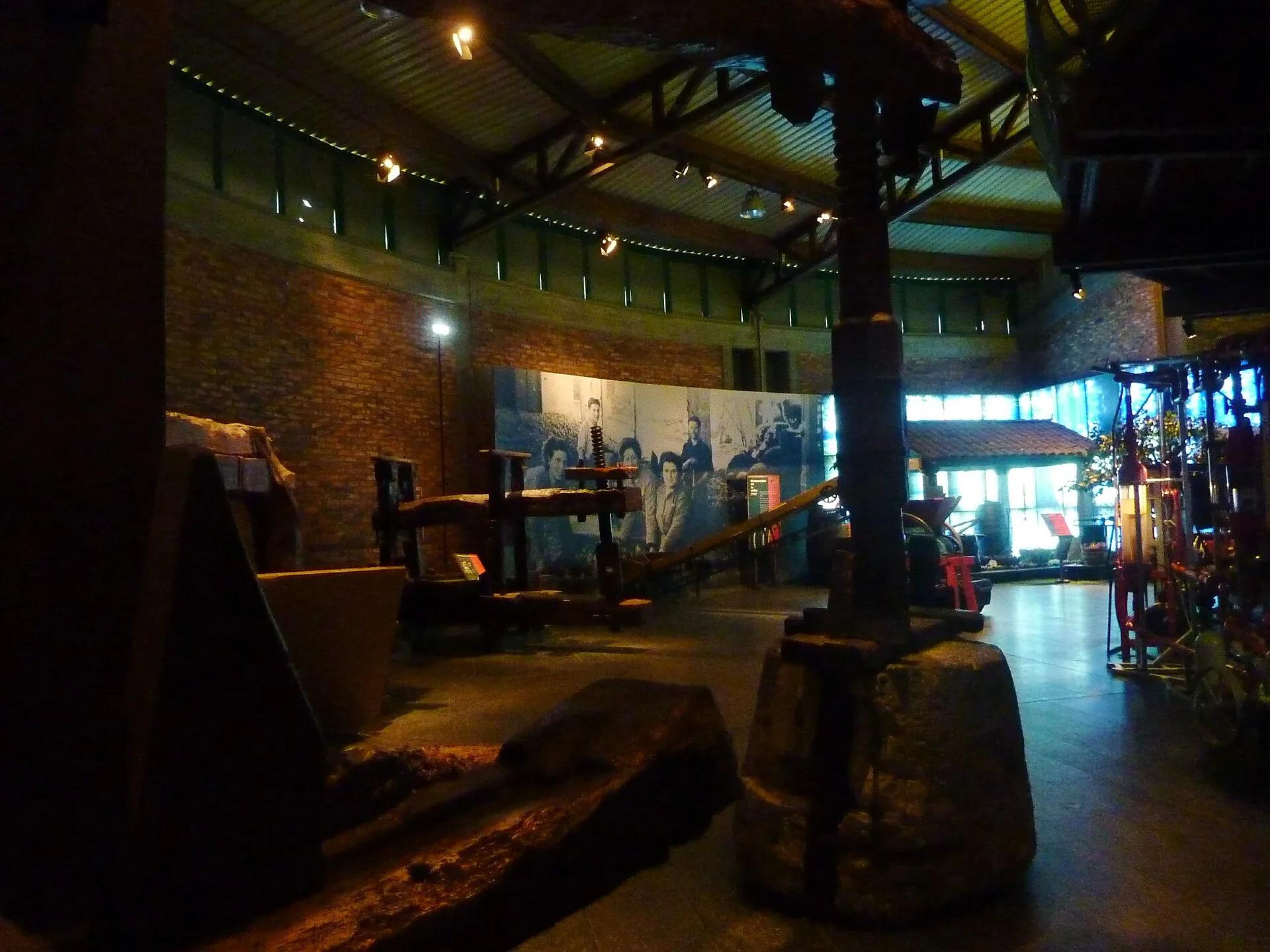
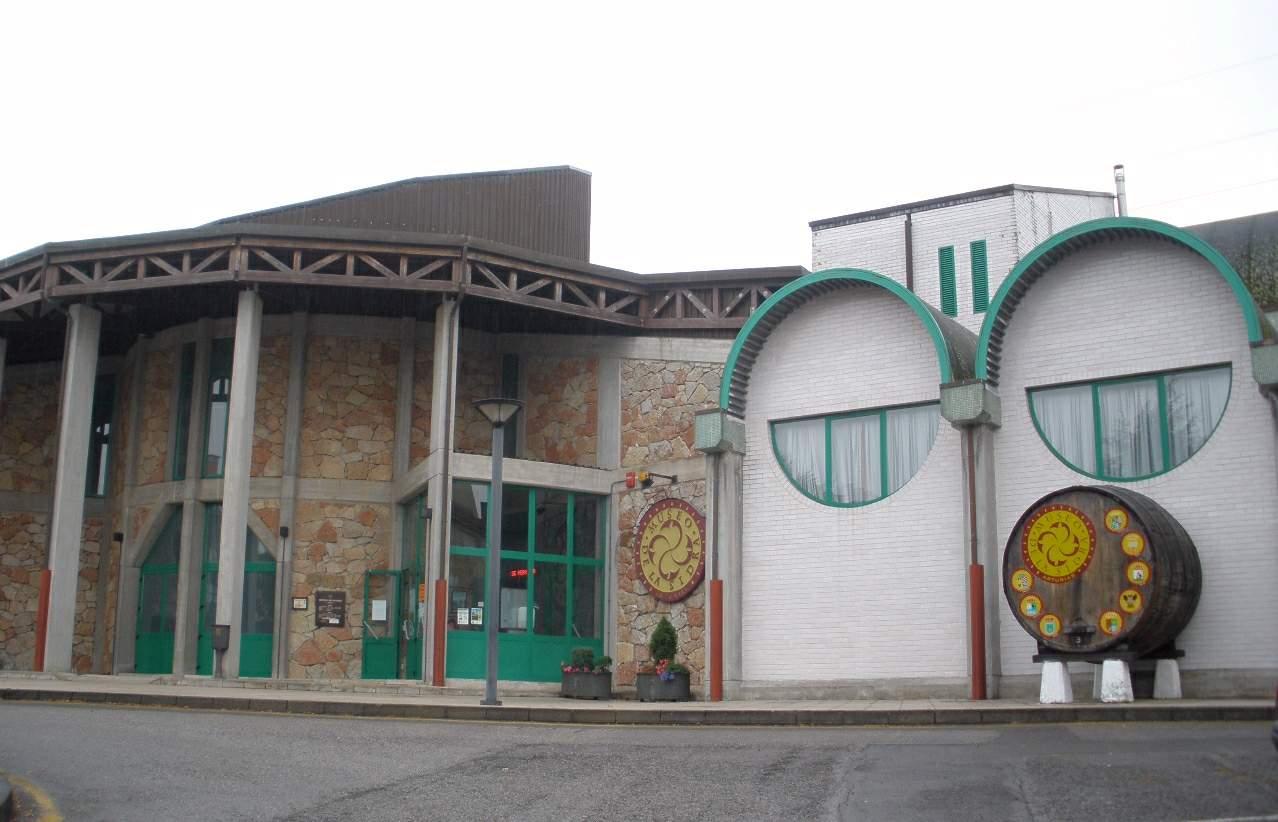
In Nava, the Museo de la Sidra de Asturias, opened in 1996 on the Plaza Príncipe de Asturias, is a tribute to this culture. Rather than a conventional museum it is a themed, participatory exhibition about the making, drinking and history of cider and its social world, from the chigre to the tonada, the Asturian folk song, and the bagpipe. Nava also holds the Festival de la Sidra Natural in July, declared a Festival of International Tourist Interest, while Villaviciosa holds its Festival de la Manzana every other year, in odd-numbered years.
The best way to meet the culture is the slow one. Walk the lanes of the comarca in autumn, when the apples fall and the mills start working; sit in a village square and watch a pourer at work; go to a festival and learn the rhythm of glass and bottle. And remember that cider, however low its strength, is still alcohol: share the bottle, take your time, and leave the car for another day.
Practical details checked on 8 November 2026. Rules, access and seasons change. Check the official sources below before you go.
Sources
- UNESCO, Cultura de la sidra asturiana (Lista Representativa, 2024)checked 8 November 2026
- UNESCO, Decision of the Intergovernmental Committee 19.COM 7.B.7checked 8 November 2026
- Principado de Asturias, Documento único / pliego de la DOP Sidra de Asturias (2025)checked 8 November 2026
- Consejo Regulador DOP Sidra de Asturiaschecked 8 November 2026
- Turismo Asturias, La sidrachecked 8 November 2026
- Turismo Asturias, Cider Museum of Asturiaschecked 8 November 2026
- Turismo Asturias, Comarca de la Sidra (itinerario de turismo rural)checked 8 November 2026
- BOE, Ley 1/2001, de 6 de marzo, del Patrimonio Cultural (Asturias), texto consolidadochecked 8 November 2026
Take it further
If this story set you thinking, here is where to take it next.
Series
In the series Eastern Asturias, closely
Life & Culture
Asturian cider culture
Places & Destinations
Cangas de Onís and Covadonga

Adventure & Outdoors
Canoeing the Sella
Journeys & Road Trips
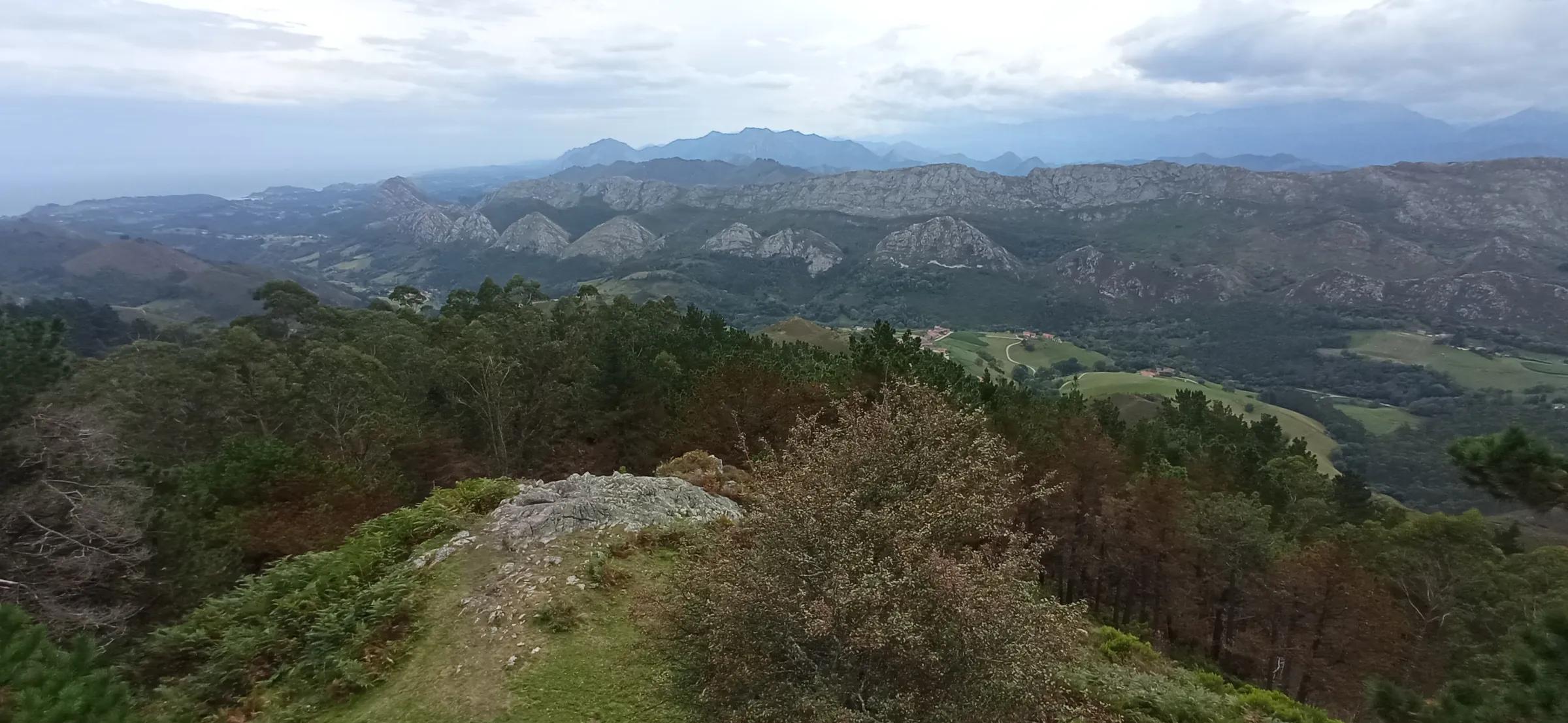
Eastern Asturias, from the coast to the peaks
Life & Culture
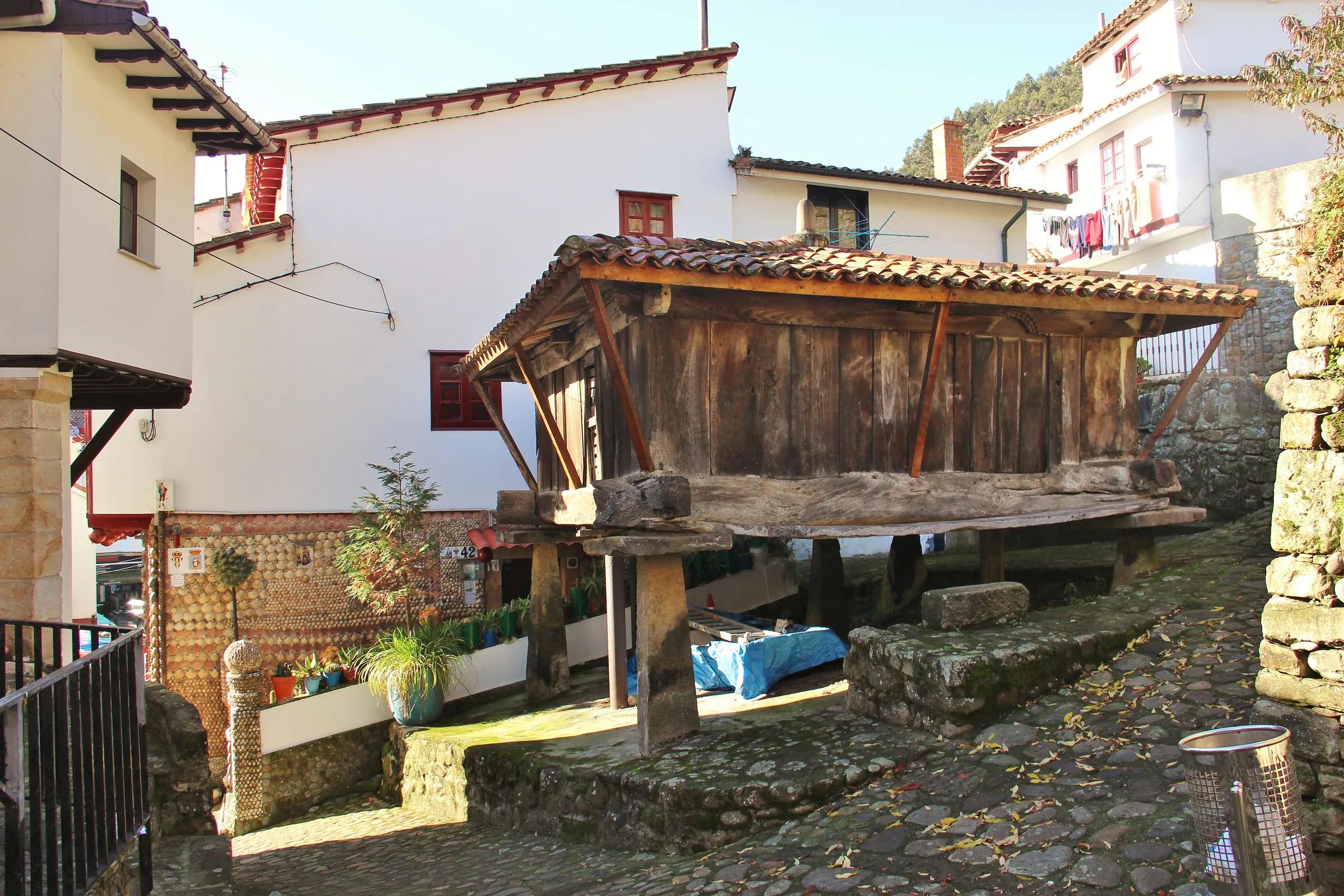
Hórreos: the granaries of Asturias
Places & Destinations
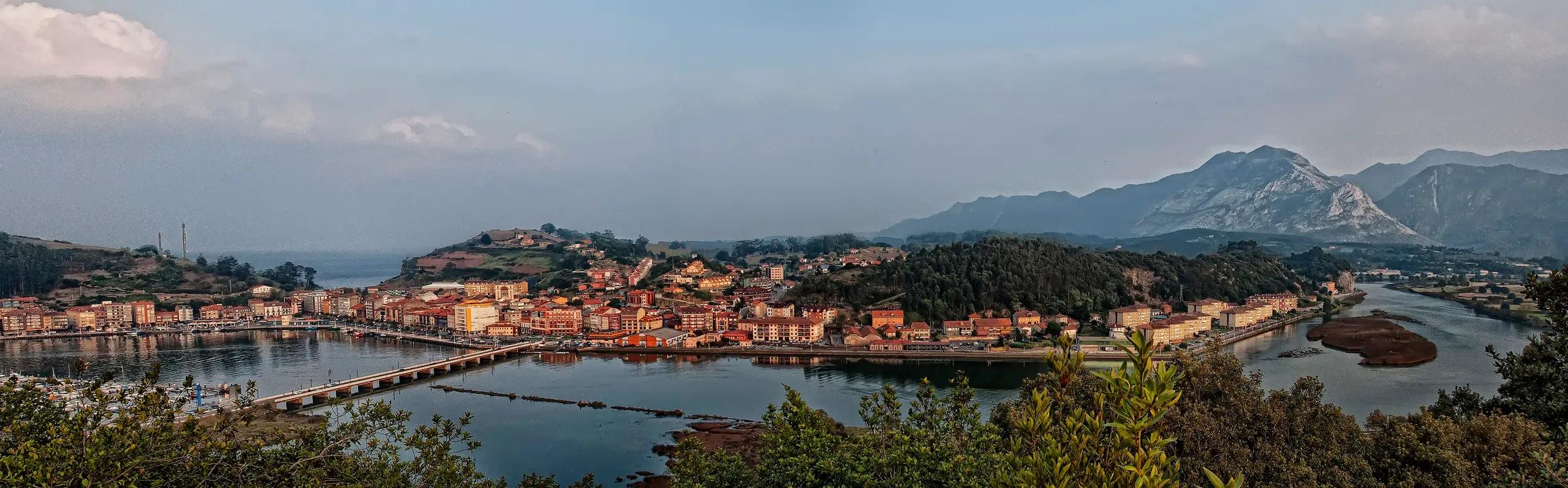
Ribadesella, where the Sella meets the sea
Adventure & Outdoors
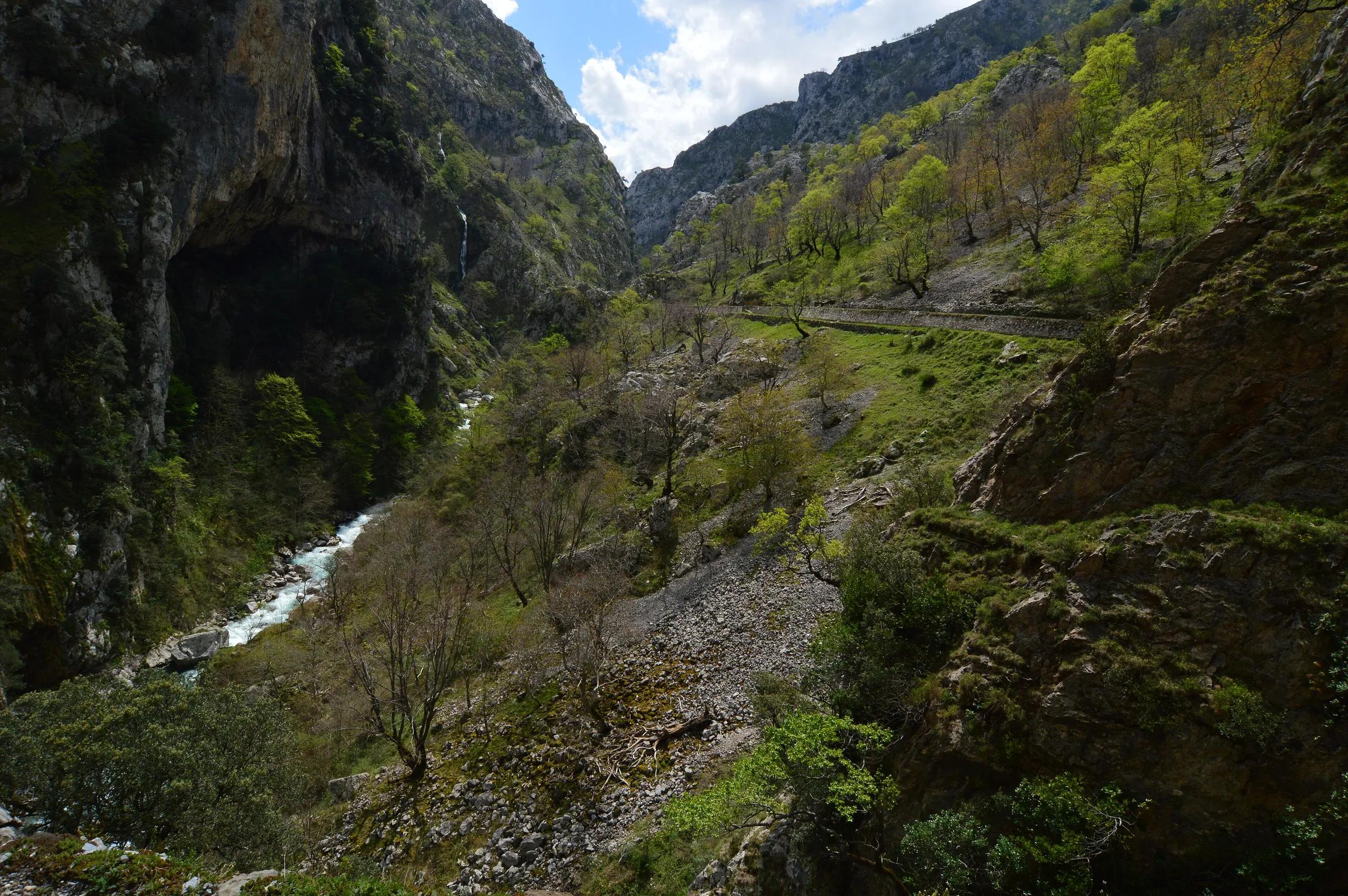
Walking the Cares gorge
Places & Destinations
Getting to the Lakes of Covadonga: how access works
Adventure & Outdoors
Reading the tide on the Llanes coast