
 Ricardo Yagüe / Wikimedia Commons, CC BY-SA 4.0
Adventure guide
Canoeing the Sella
From Arriondas, the most famous river of eastern Asturias carries canoes downstream between meadows, alder woods and shingle bars. What the classic descent involves, how hire works, how to stay safe, and the day in August when the whole river becomes a festival.
6 min read· By the Tierra Luma editors
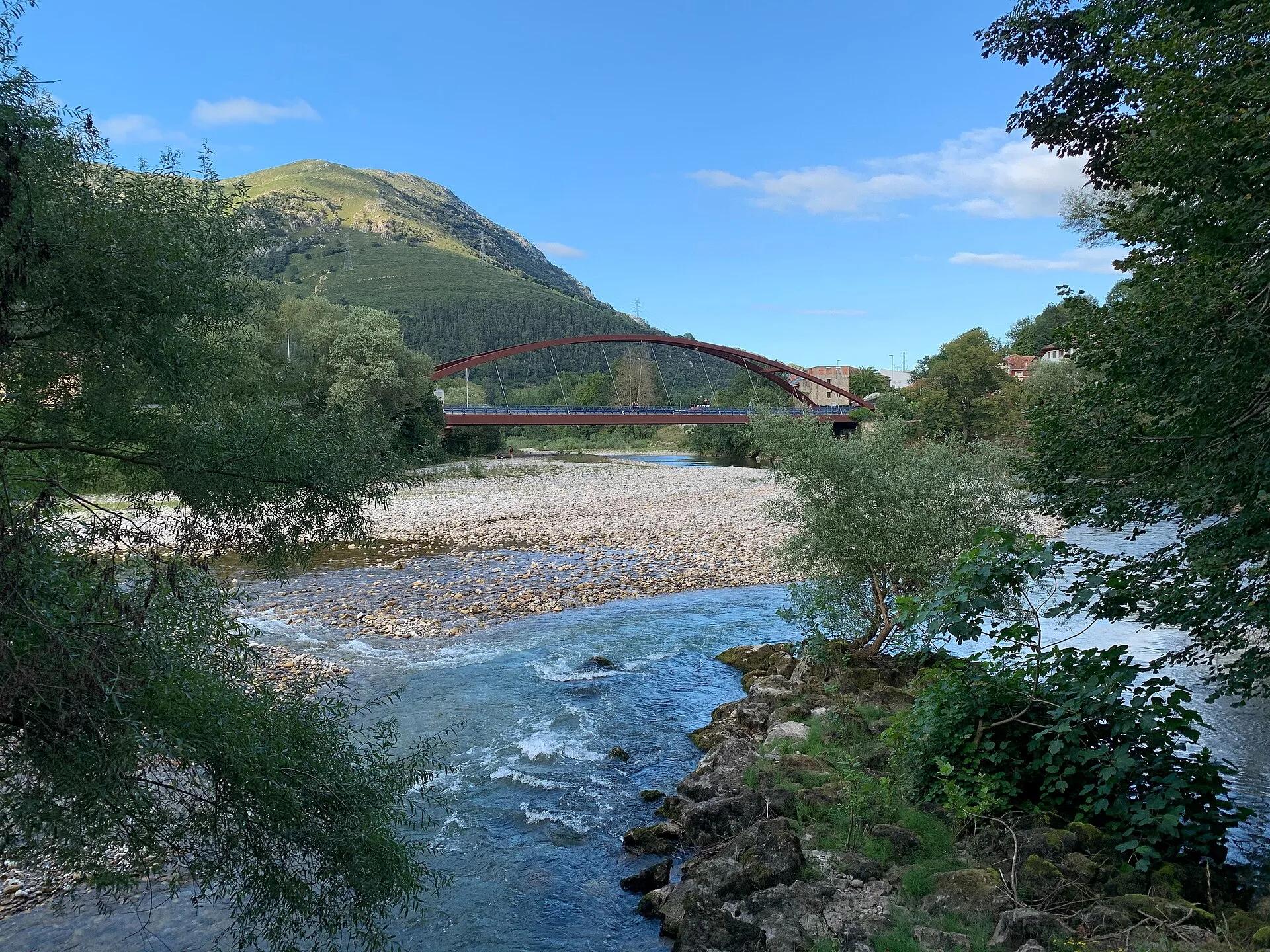
Below the bridge at Arriondas the Sella is wide and green, sliding over shingle with a sound like distant applause. Canoes in bright colours wait on the bank in rows. A few strokes from the shore and the town drops away; then there are only alder and willow on the banks, cows in the meadows, a heron lifting off a gravel bar, and the long, slow bends of a river that has come down from the Picos de Europa and still has the sea to reach.
Turismo Asturias calls the Sella the most important river of eastern Asturias, and one of the most important salmon rivers in Spain. Paddling it from Arriondas is one of the best-known outdoor activities in the region, and one of the gentlest: a descent that families, groups of friends and first-timers make every summer. This guide explains how it works, without selling you anything.
Highlights
The places in this story
There are no big rapids on the usual stretches; but it is still a real river.
The river and the route
The Sella enters Asturias through the Los Beyos gorge, runs past Cangas de Onís and under its medieval bridge, and at Arriondas meets the Piloña before turning north towards the coast and its estuary at Ribadesella. The classic canoe descent uses the stretch from Arriondas downstream. Hire companies usually offer a choice of take-out points: Turespaña's listing of one descent gives Toraño at about 7 km, Llordón at about 11 km and Llovio at about 16 km, with vehicles waiting at each to bring you back to base. The longest of these takes about three to four hours at an unhurried pace, with stops.
What the water is like
In ordinary summer conditions this is moving flat water with small riffles over the shallows, where the current quickens and the canoe may scrape on stones. There are no big rapids on the usual stretches, which is why it suits beginners; but it is still a real river. The current pushes towards the outside of bends and under overhanging branches, the shallows can tip an inattentive paddler out, and after rain in the mountains the river can rise and colour within hours. The lower part slows and widens as it nears the sea.
How canoe hire works
Licensed active-tourism companies in Arriondas, some with offices in nearby towns, rent the canoes or kayaks, give a short briefing, supply the buoyancy aid and paddle, and collect you and the boat at the end of your chosen stretch. Most people go unguided, at their own pace, in two-person canoes; guided descents are also offered. You usually book in advance, choose the distance, and set off from the base within a window of departure times. Tierra Luma takes no bookings and recommends no company: ask the tourist office for the registered operators.
Skills you need
You must be able to swim; that is a condition of hire, not a suggestion. Beyond that, the basics are learnt in the first ten minutes: sit low, paddle on opposite sides, let the person at the back steer, and look ahead to read where the water is deepest, usually where it is darkest and smoothest. Children usually travel with an adult in the boat. Agree before you leave who calls the line through each riffle; most capsizes happen when two people steer at once.
Safety
Respect the river too. The Sella is a salmon river and its banks are shared with anglers, cattle and nesting birds: keep to the gravel bars when you stop, do not climb the banks through vegetation, and bring every scrap of litter back with you.
Conditions and season
The descent is above all a summer activity, when the water is lower and warmer and the days long, but in good weather it is possible in spring and autumn too, and some companies run all year with booking when the weather allows. July and August are the busiest months. Mornings are quieter on the water than the middle of the day, and weekdays quieter than weekends. In spring the river carries more water and is colder and faster: ask for a wetsuit.
Les Piragües: the August festival
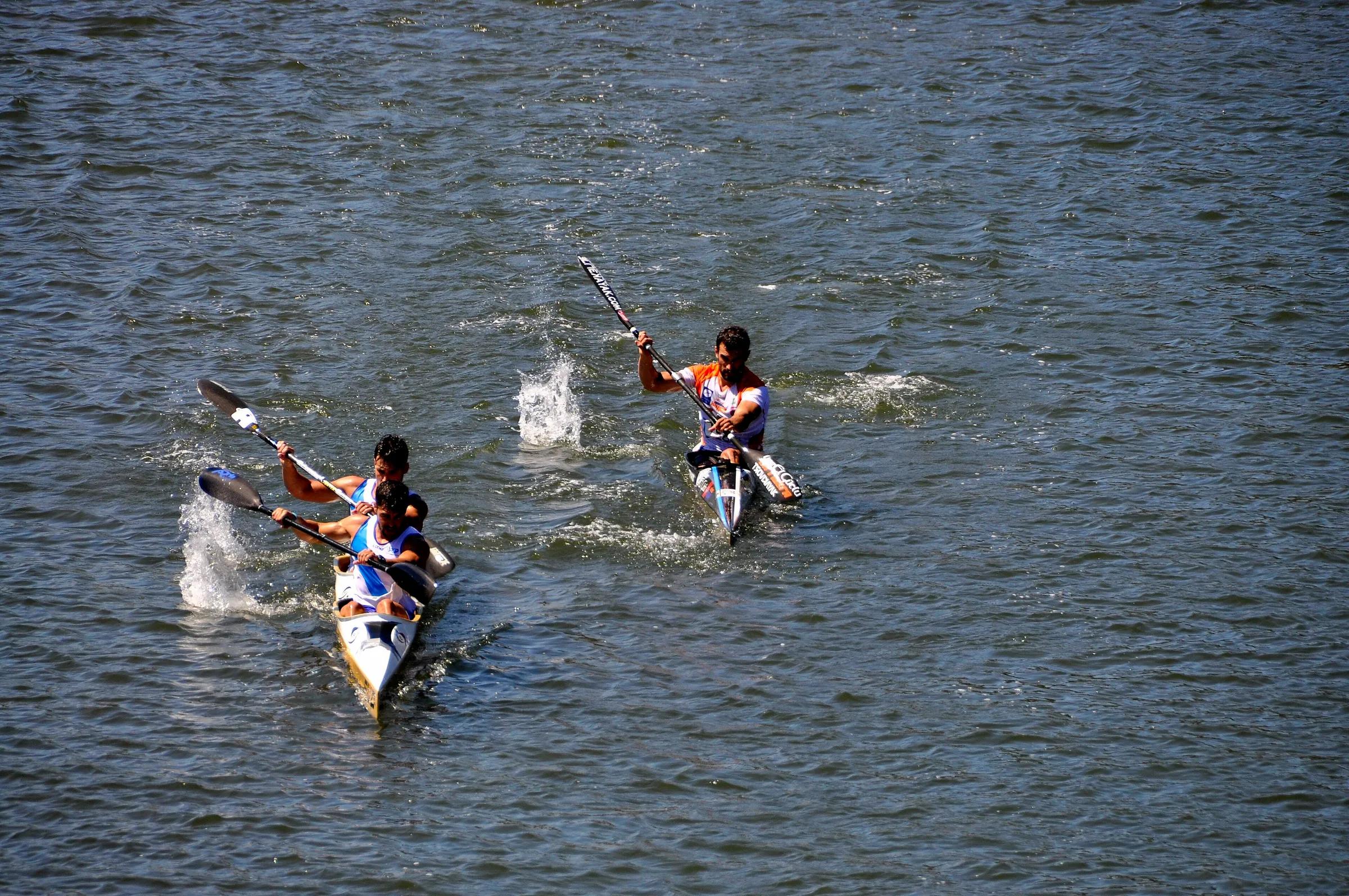
Once a year the river belongs to the race. The Descenso Internacional del Sella, popularly Las Piraguas or Les Piragües, is held on the first Saturday of August, unless that falls on the 1st or 2nd, in which case it moves to the following Saturday; in 2026 it was held on 8 August. The first descent took place in 1929, organised by Dionisio de la Huerta; the official race began in 1930, and foreign crews first competed in 1951. Today it is a Fiesta de Interés Turístico Internacional, and the only festival in Asturias with that status.
The day begins with a folk parade in Arriondas; at noon the cannon fires and the canoes race some twenty kilometres to Ribadesella, while the Tren Fluvial follows them on land with music and stops along the way. There are concerts and open-air dances on the festival nights. After the race, the public can paddle the same course at a gentle pace, usually in canoes hired from the tourism companies. If you want a quiet river, choose another weekend.
What to bring
- Shoes that can get wet and stay on your feet: old trainers or river sandals with a heel strap, not flip-flops.
- Swimwear or quick-drying clothes, and a complete change of clothes for the end.
- Sun protection: hat with a cord, sunglasses with a strap, sunscreen. The river reflects light all day.
- Water and something to eat, in a dry bag or the sealed drum the operator provides.
- A light fleece or windproof for spring and autumn, or ask for a wetsuit.
- Phone and keys sealed in a waterproof pouch, or better left at the base.
Nearby alternatives
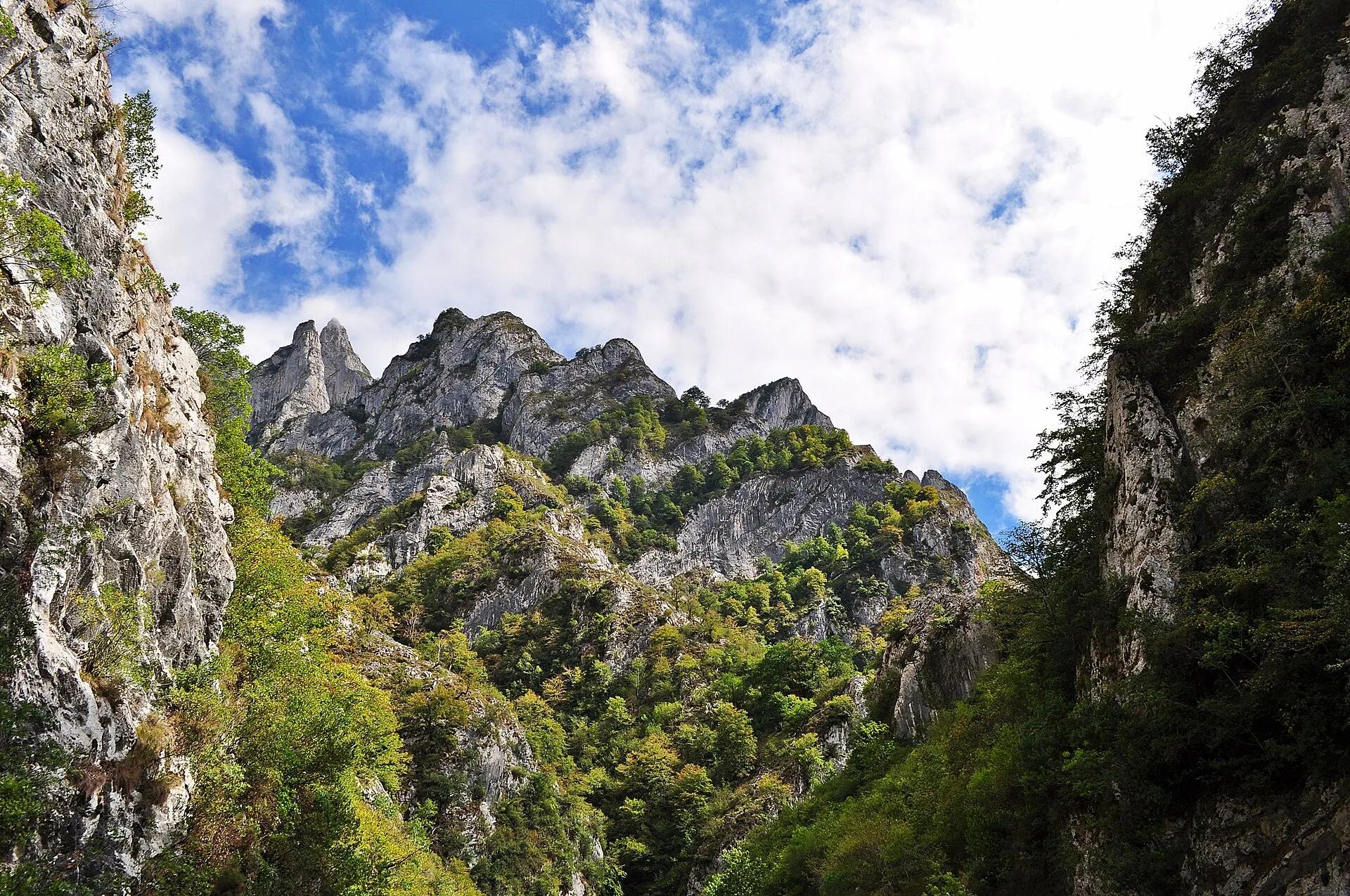
If the Sella is high or you want something different, the River Deva near Panes, on the border with Cantabria, is another clear, shallow river paddled in canoes. On the coast, sea kayaking and paddleboarding along the cliffs between Ribadesella and Llanes show caves and arches from the water, always with a guide and a forecast. Upstream, the Los Beyos gorge is a dramatic drive or walk through the limestone the Sella has cut. And the river's mouth, Ribadesella, has its own guide in this series.
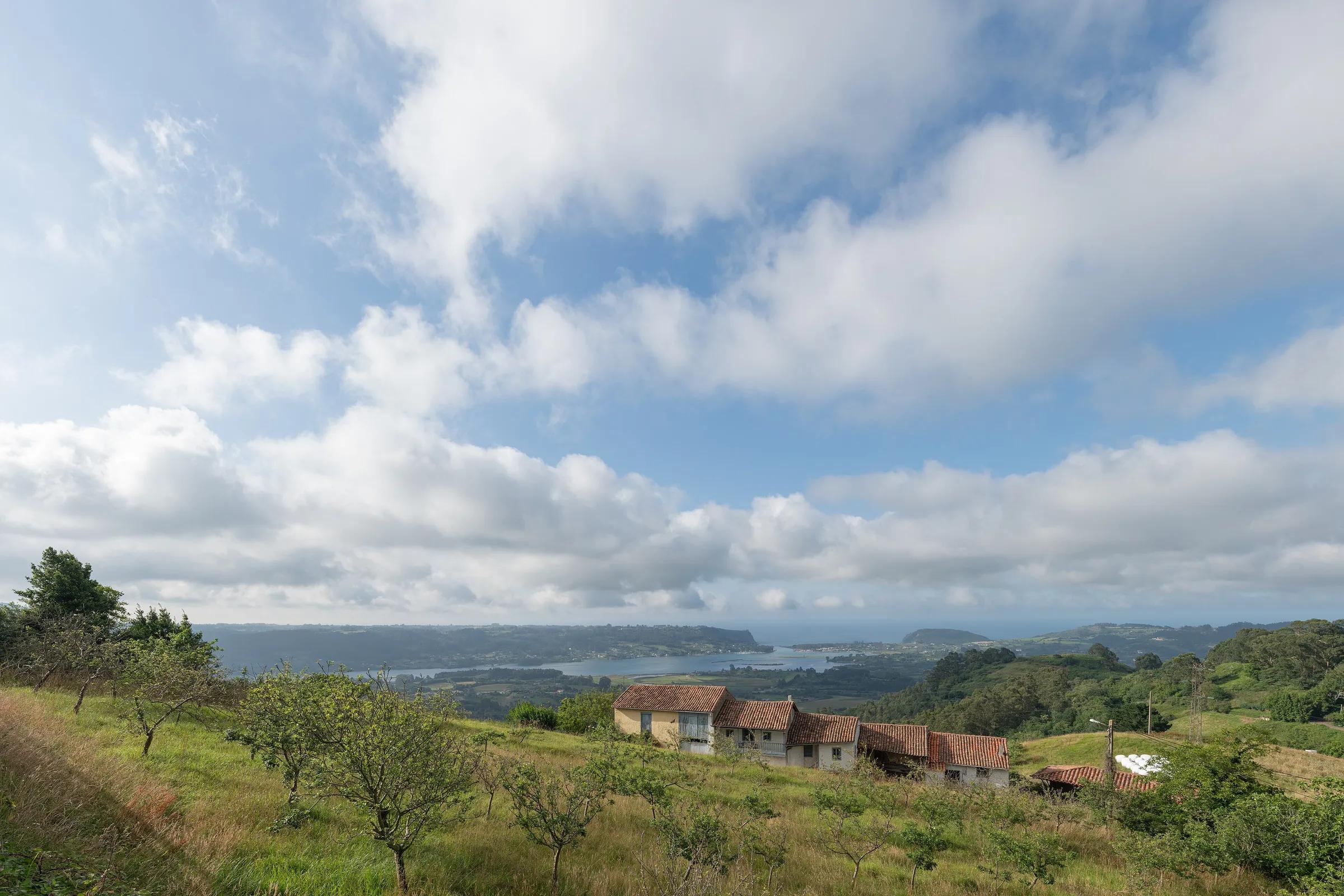
Arriondas is also close to the rural parishes of Parres where Tierra Luma is searching for land. That village does not exist yet; nothing is built or bookable, and this guide is simply about the river.
Nearby
Nearby, if you have time
Practical details checked on 8 November 2026. Rules, access and seasons change. Check the official sources below before you go.
Sources
- Turismo Asturias: Fiesta de las Piraguas, Descenso Internacional del Sellachecked 8 November 2026
- Comité Organizador del Descenso Internacional del Sellachecked 8 November 2026
- Turismo Asturias: River Sellachecked 8 November 2026
- Spain.info (Turespaña): Descenso del Sella en canoa (listing of one descent)checked 8 November 2026
- Turismo Asturias: Las 10 mejores cosas que ver y hacer en Ribadesella y alrededoreschecked 8 November 2026
Take it further
If this story set you thinking, here is where to take it next.
Series
In the series Eastern Asturias, closely
Life & Culture
Asturian cider culture
Places & Destinations
Cangas de Onís and Covadonga
Adventure & Outdoors
Canoeing the Sella
Journeys & Road Trips
Eastern Asturias, from the coast to the peaks
Life & Culture
Hórreos: the granaries of Asturias
Places & Destinations
Ribadesella, where the Sella meets the sea
Adventure & Outdoors
Walking the Cares gorge
Places & Destinations
Getting to the Lakes of Covadonga: how access works
Adventure & Outdoors
Reading the tide on the Llanes coast