Skip to content
Tierra Luma

0 saved

My trips

Tap Save on any place to keep it here for later. Your places are sorted by area, ready for planning a trip.

Saved on this device only, without an account. Clearing your browser data removes it.

Language: Español
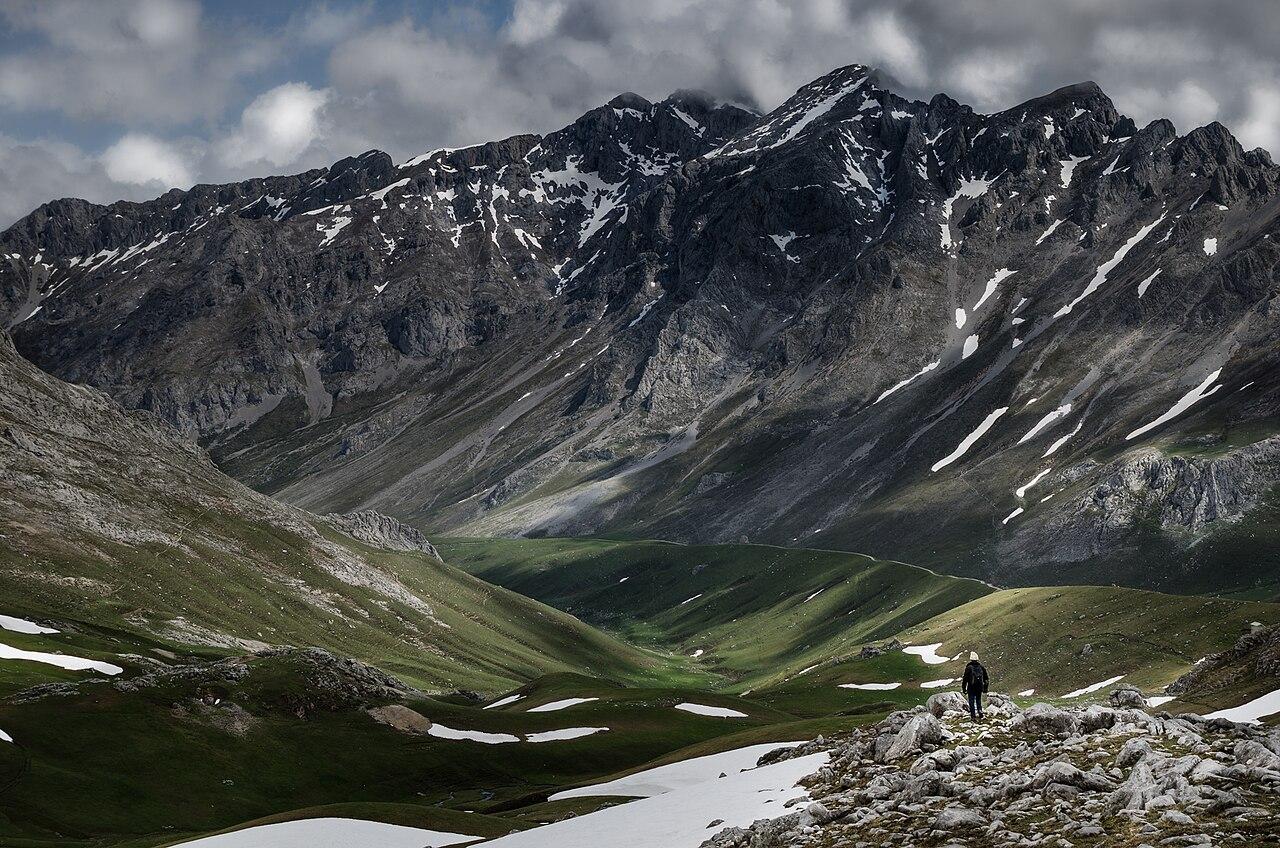
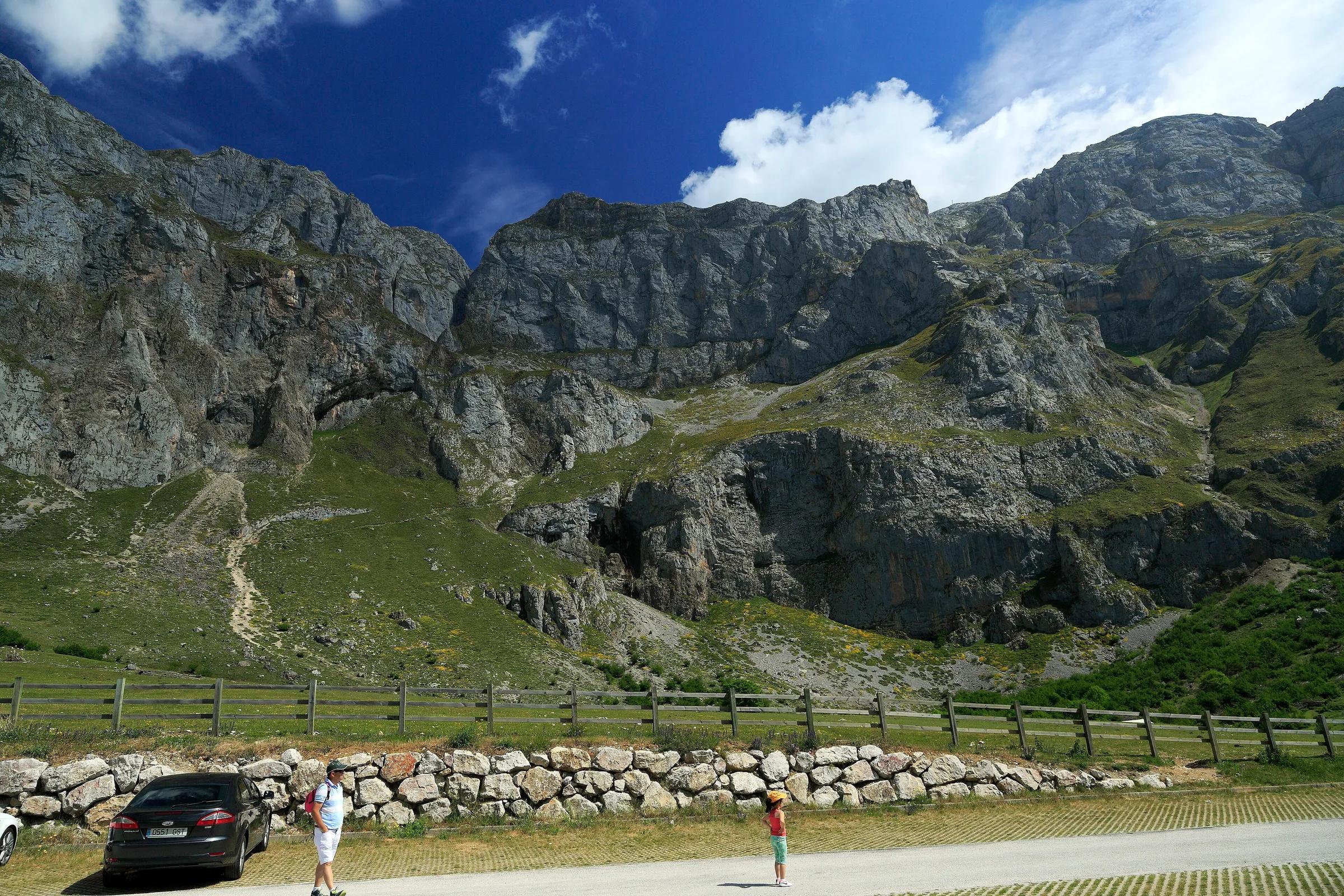
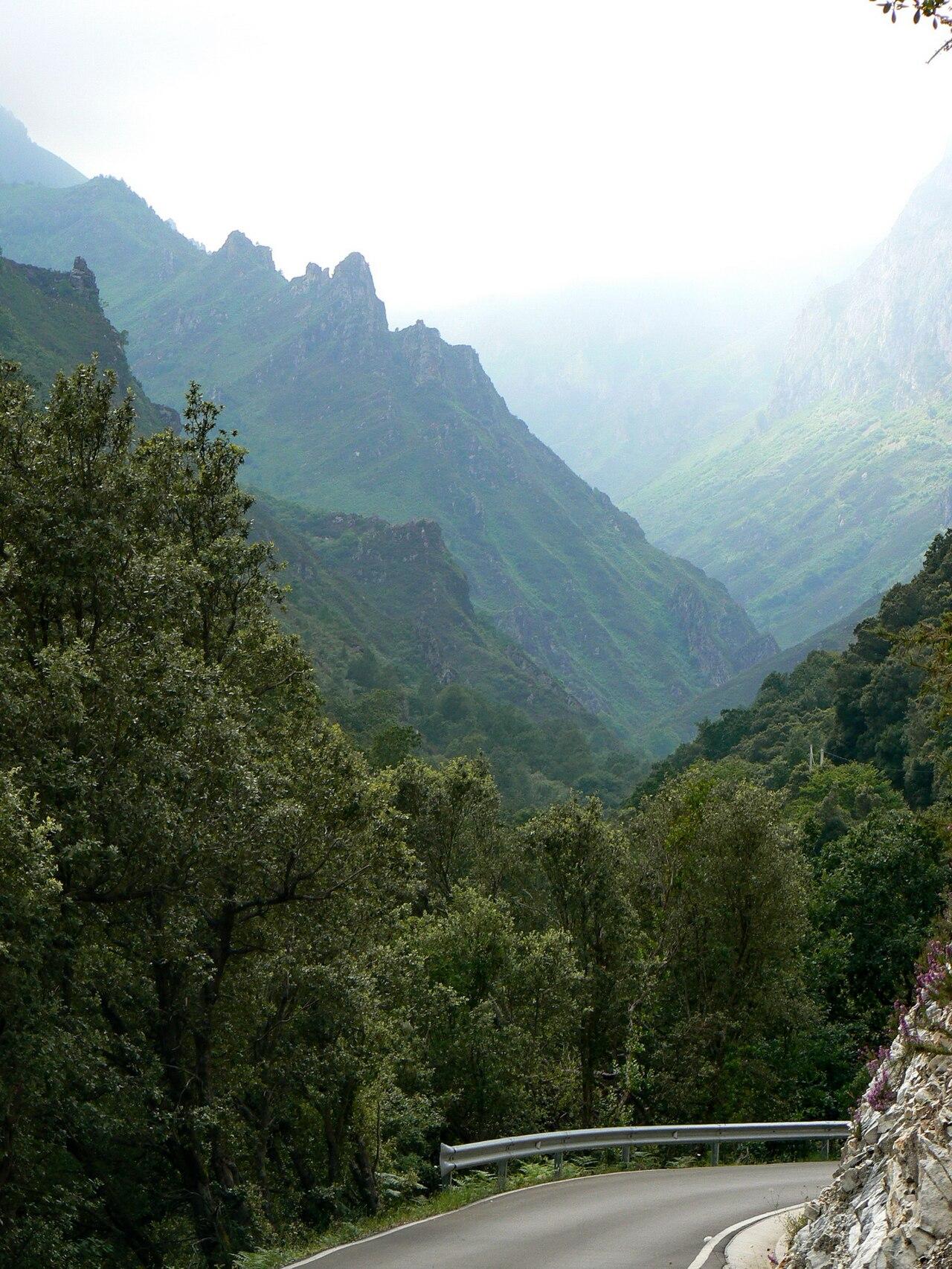
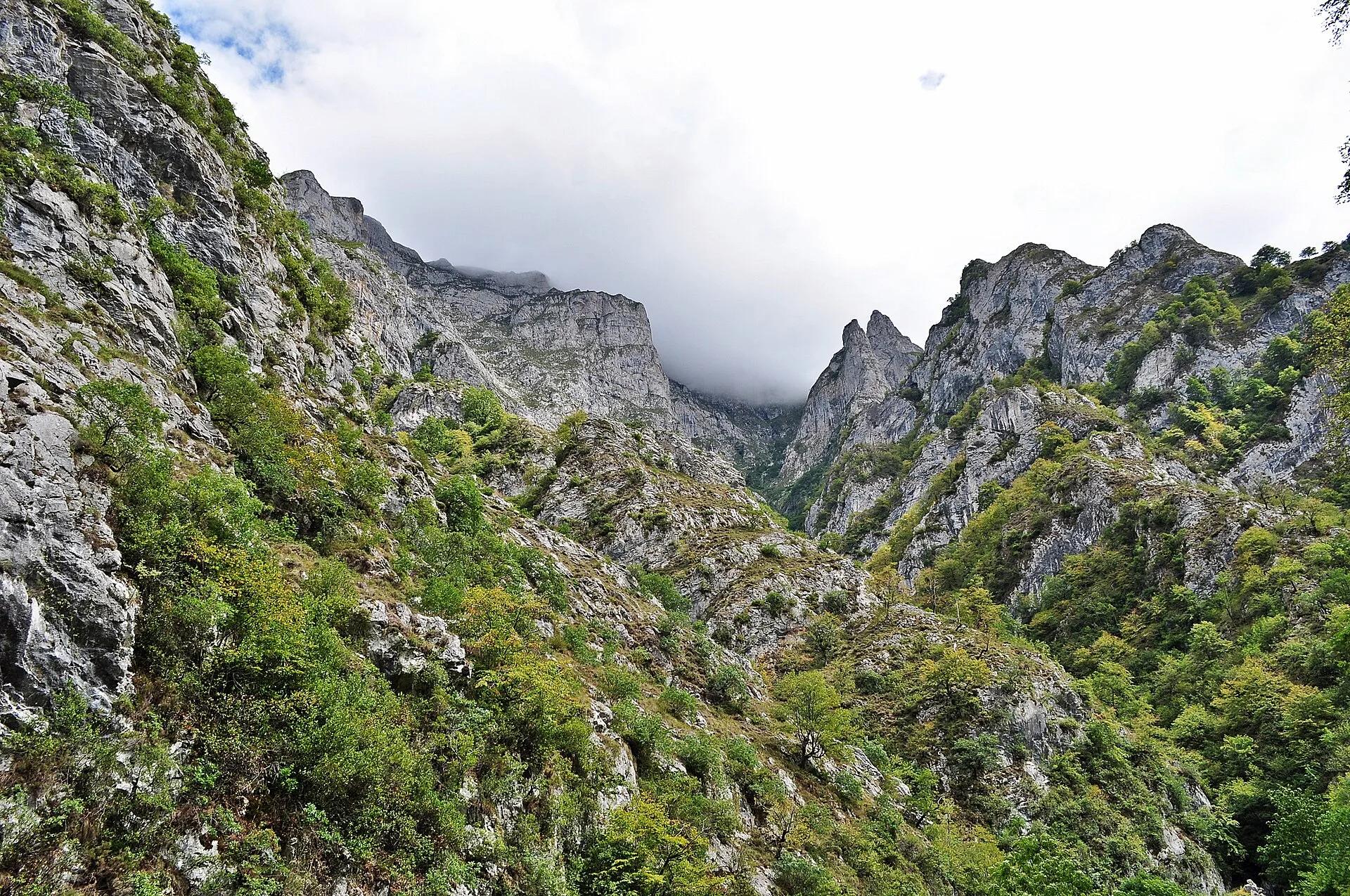
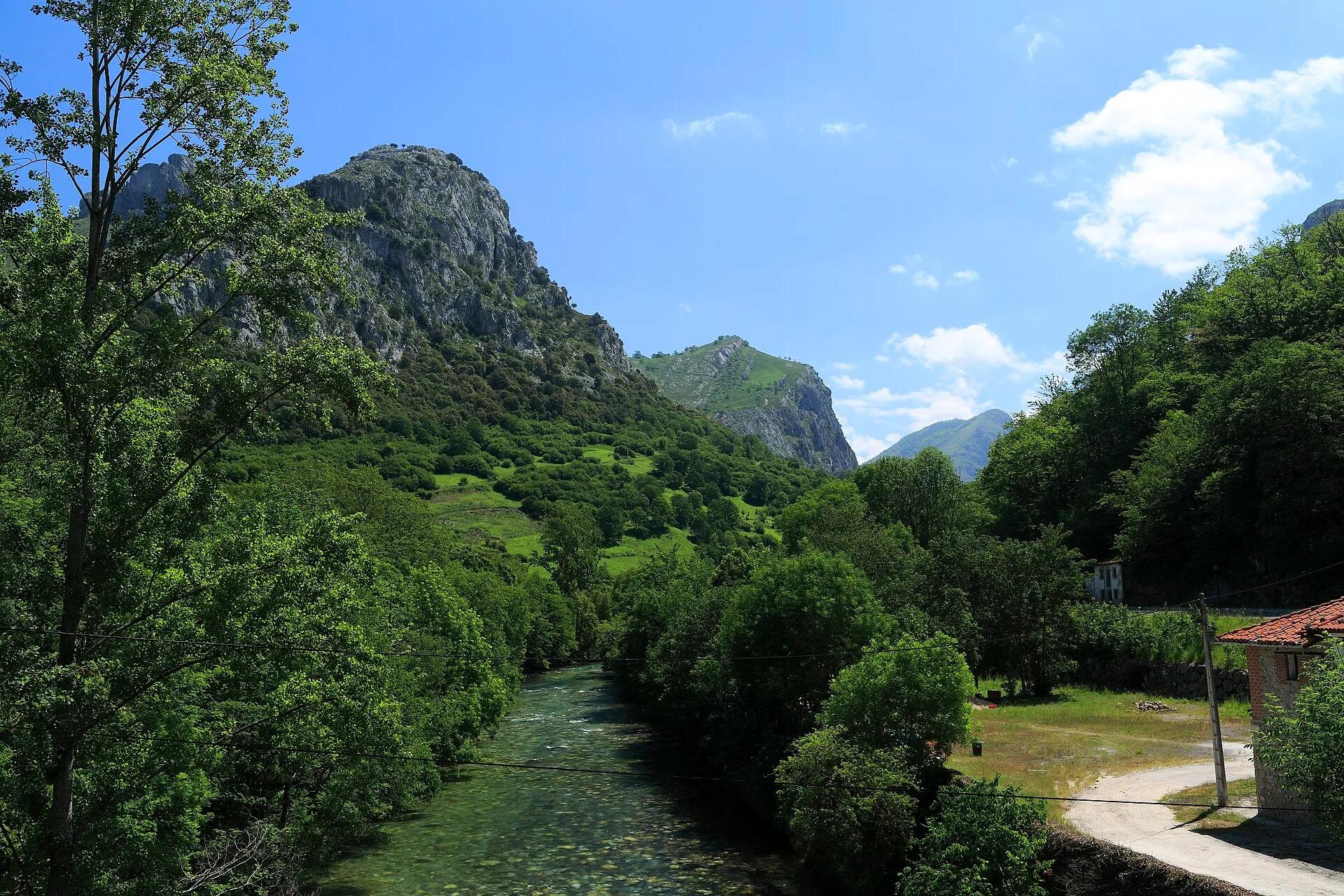
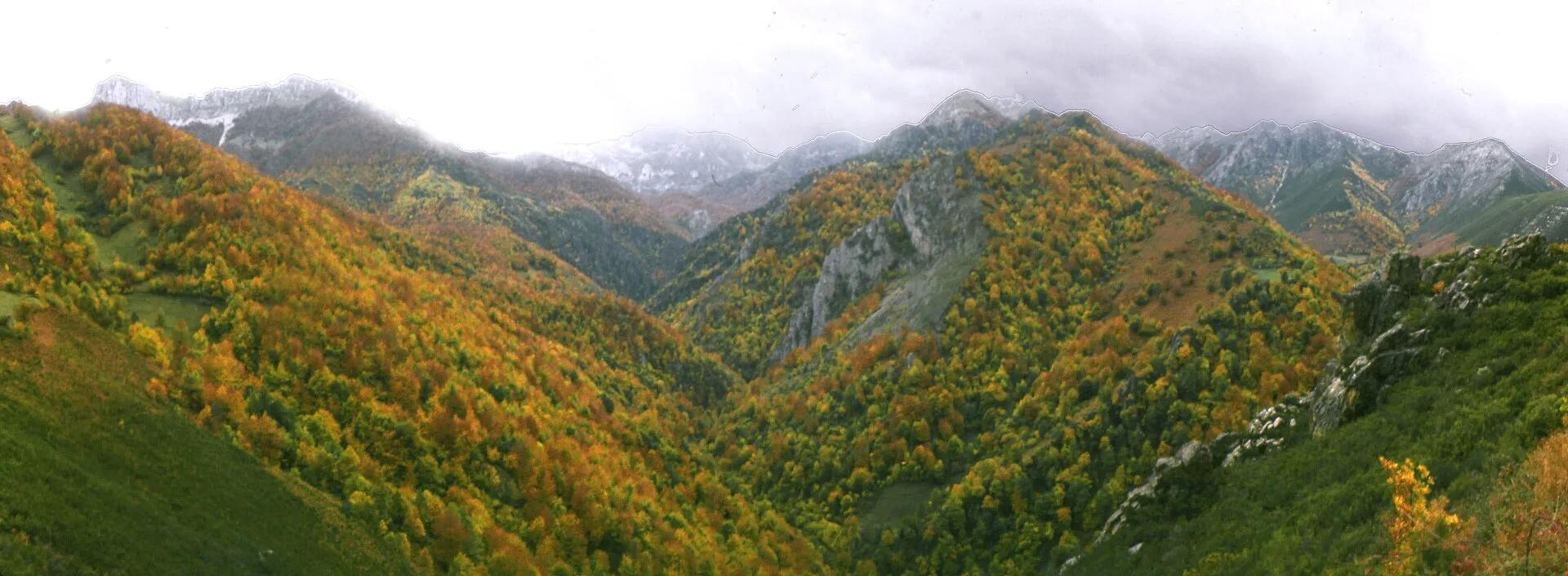
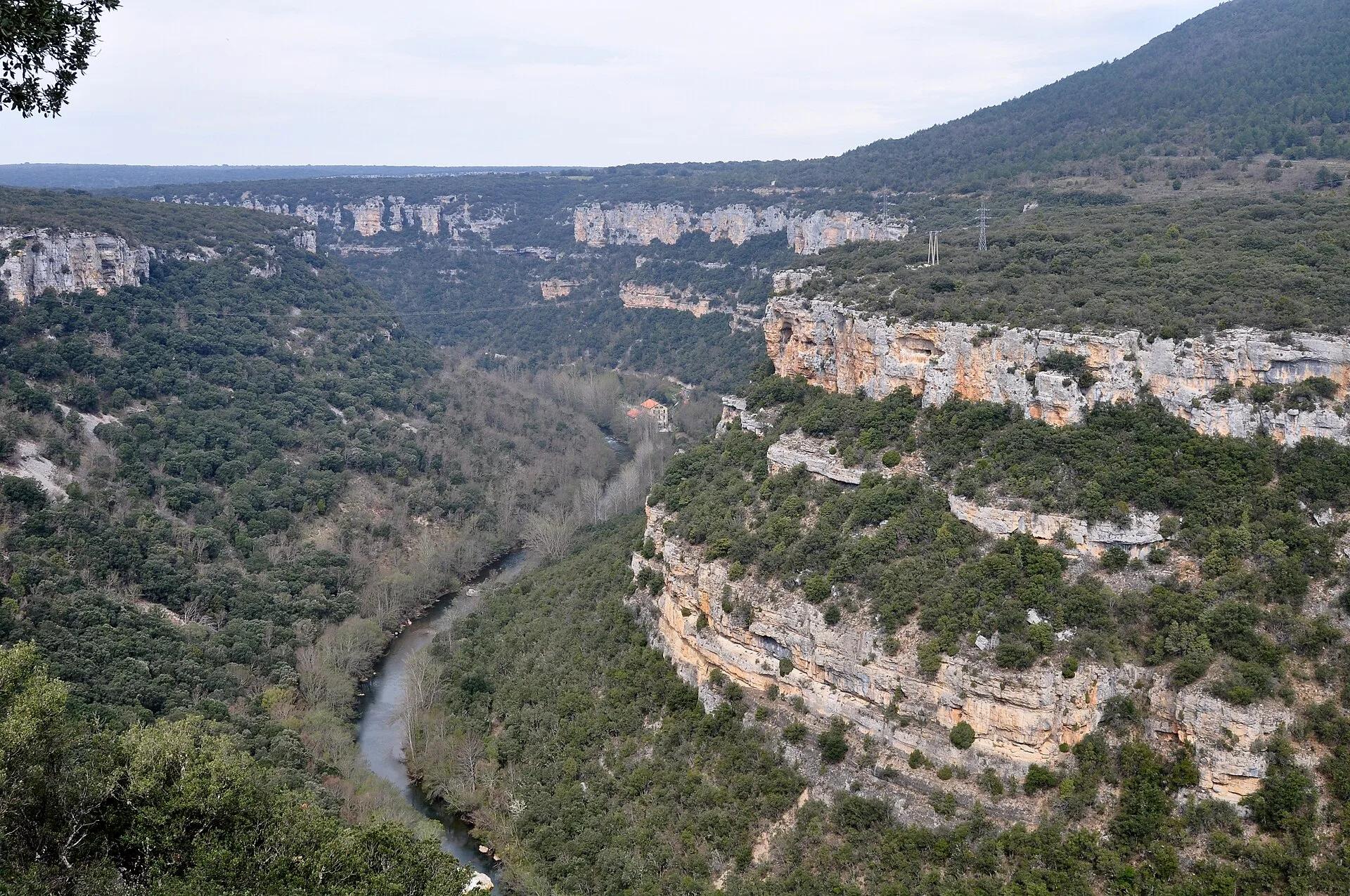
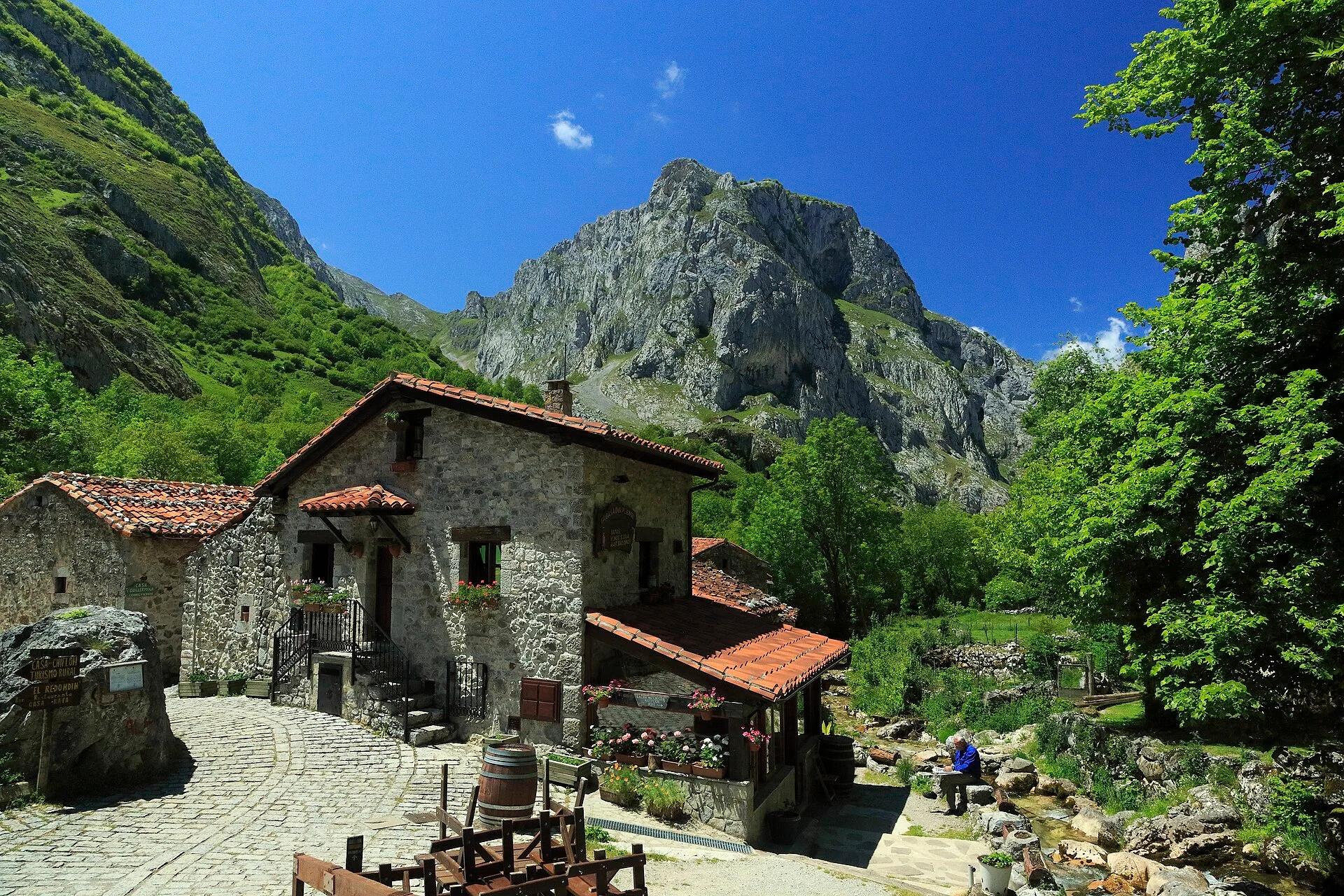
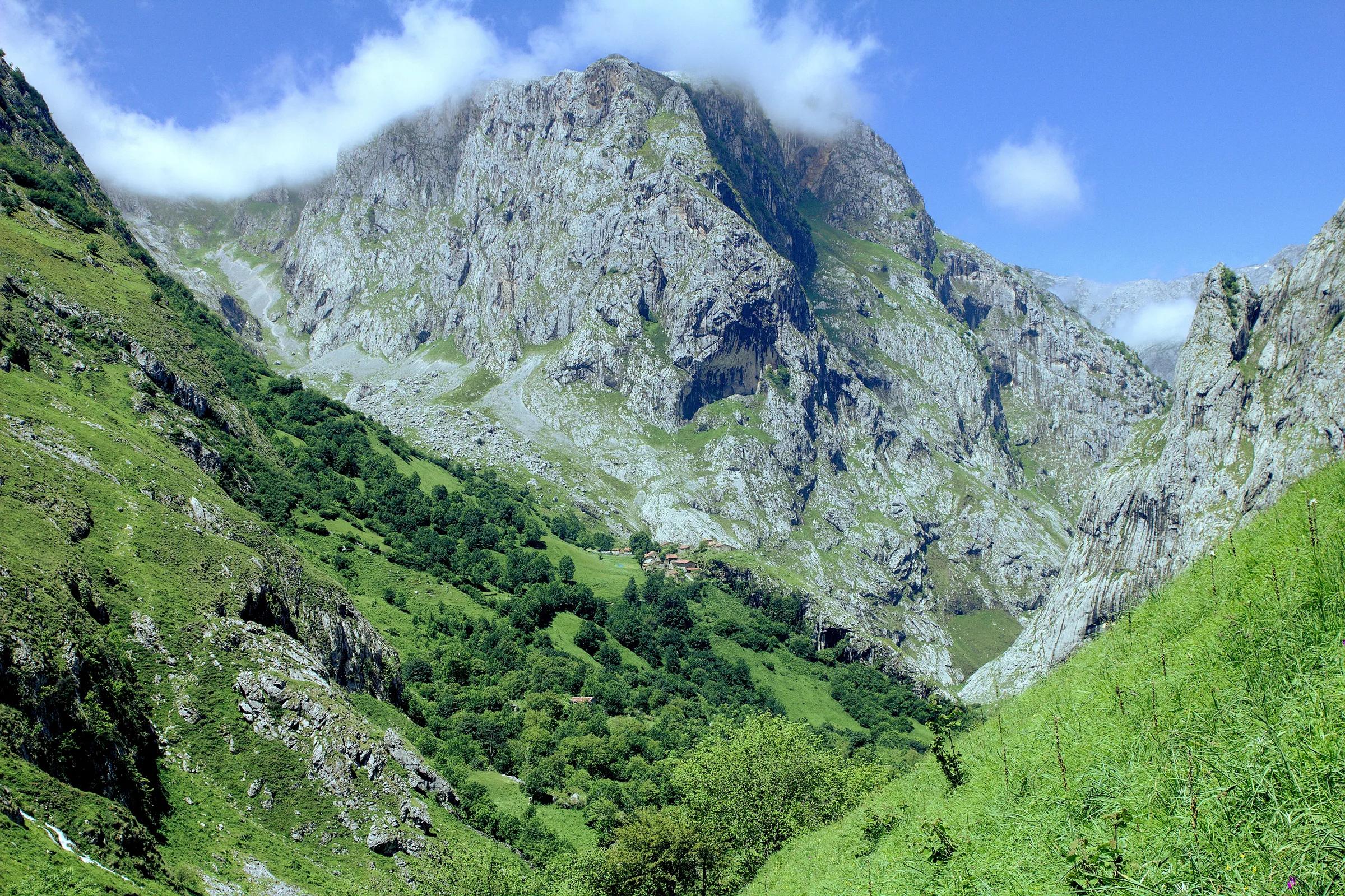
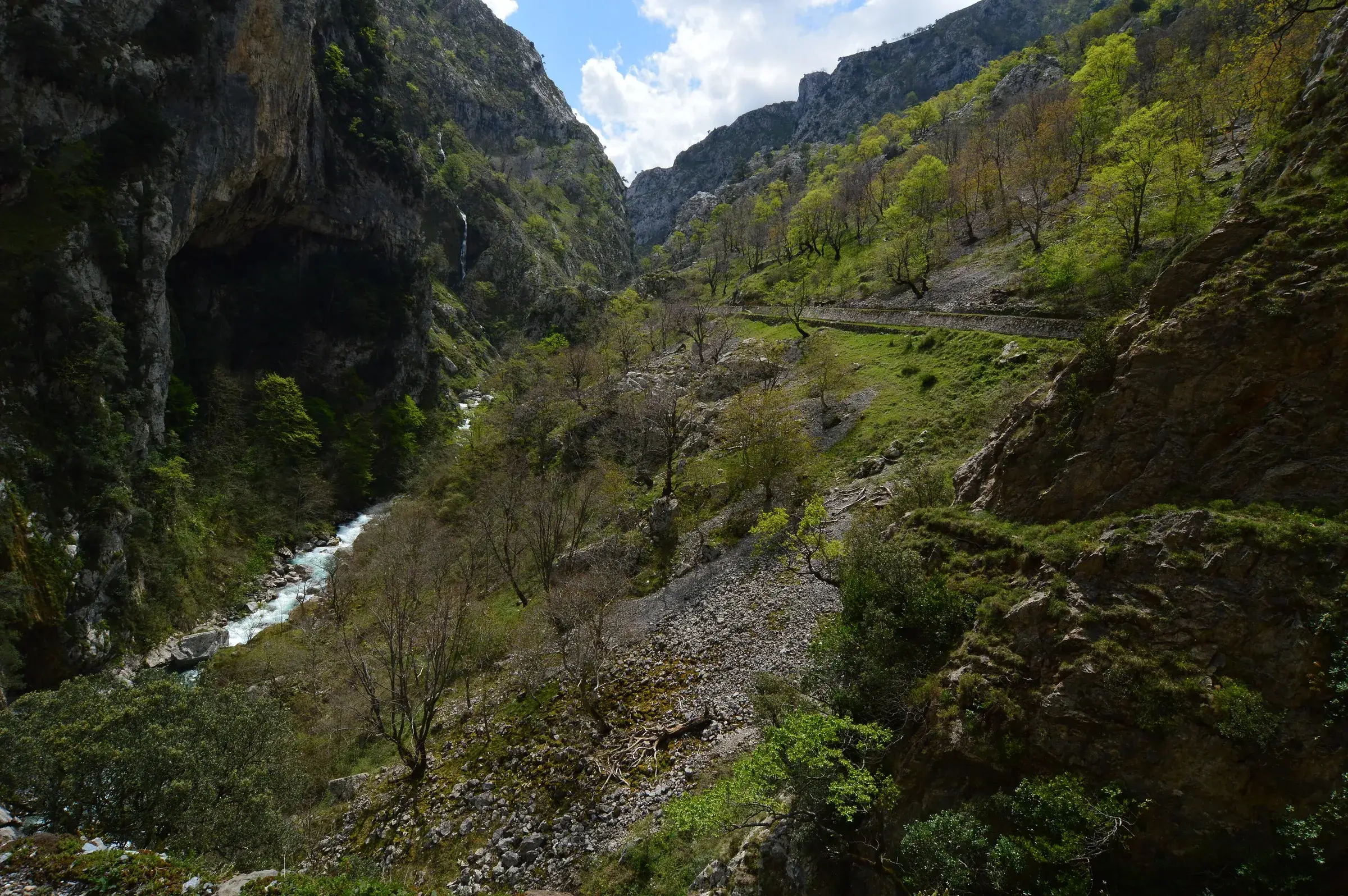
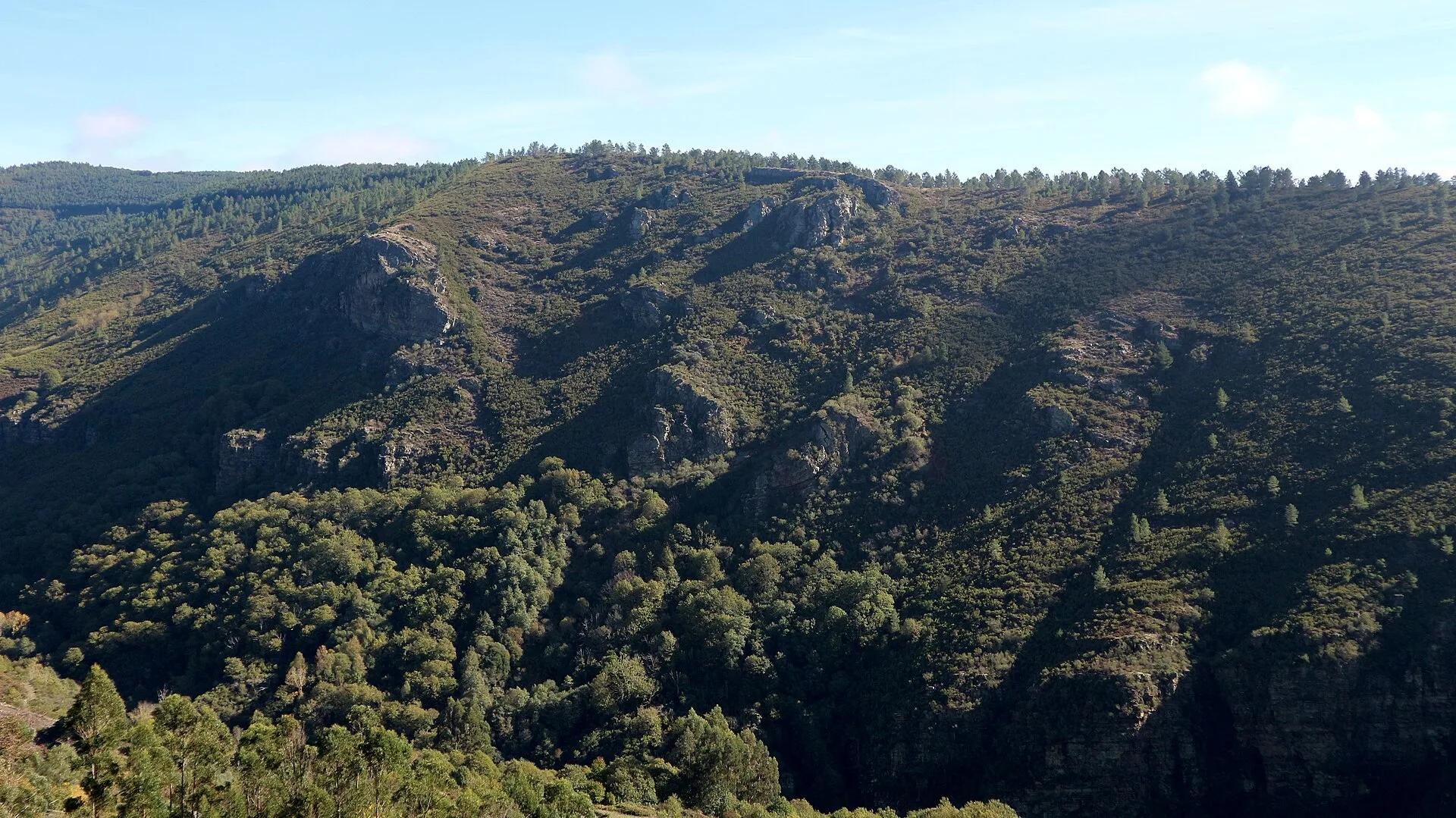
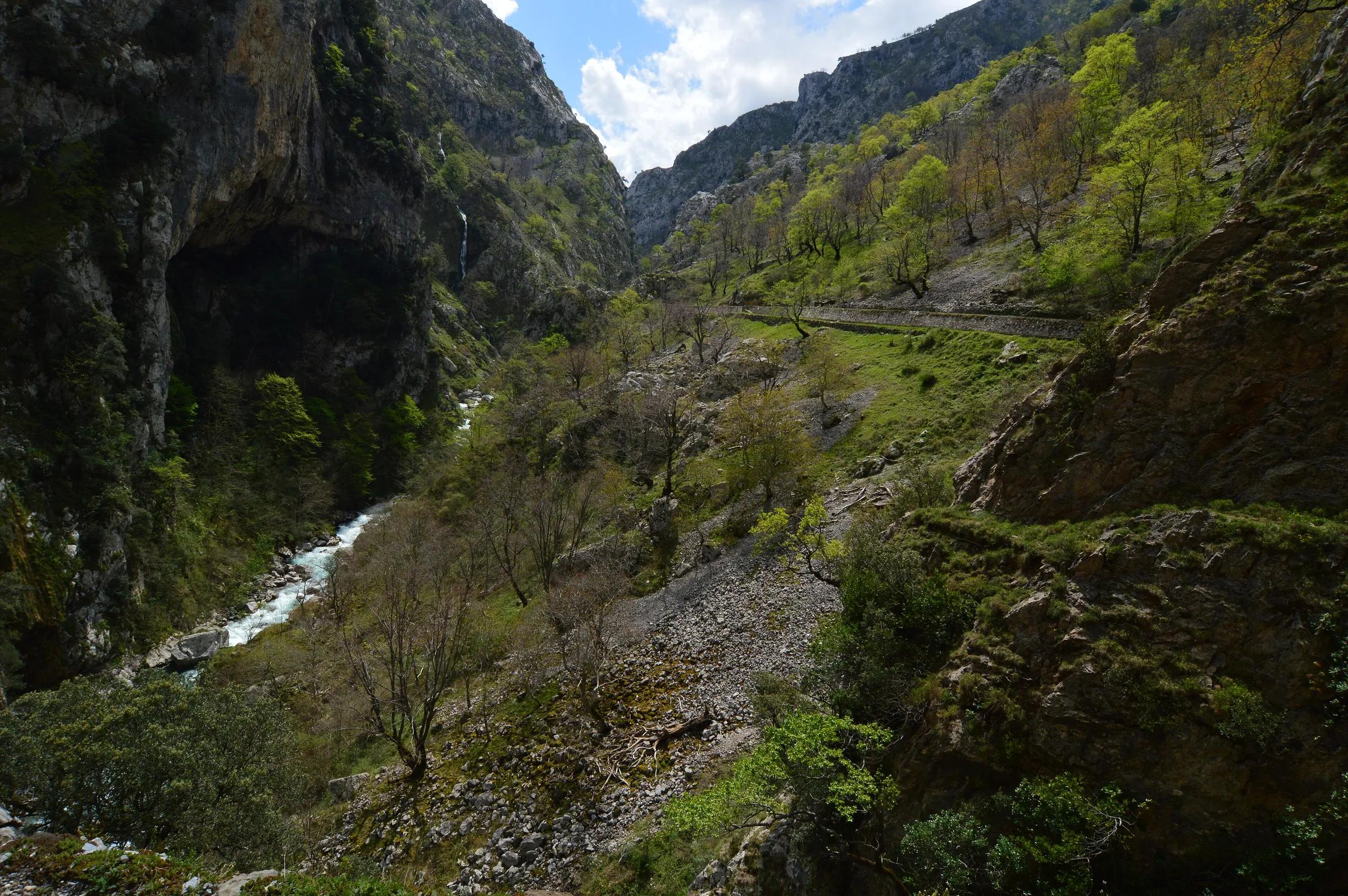
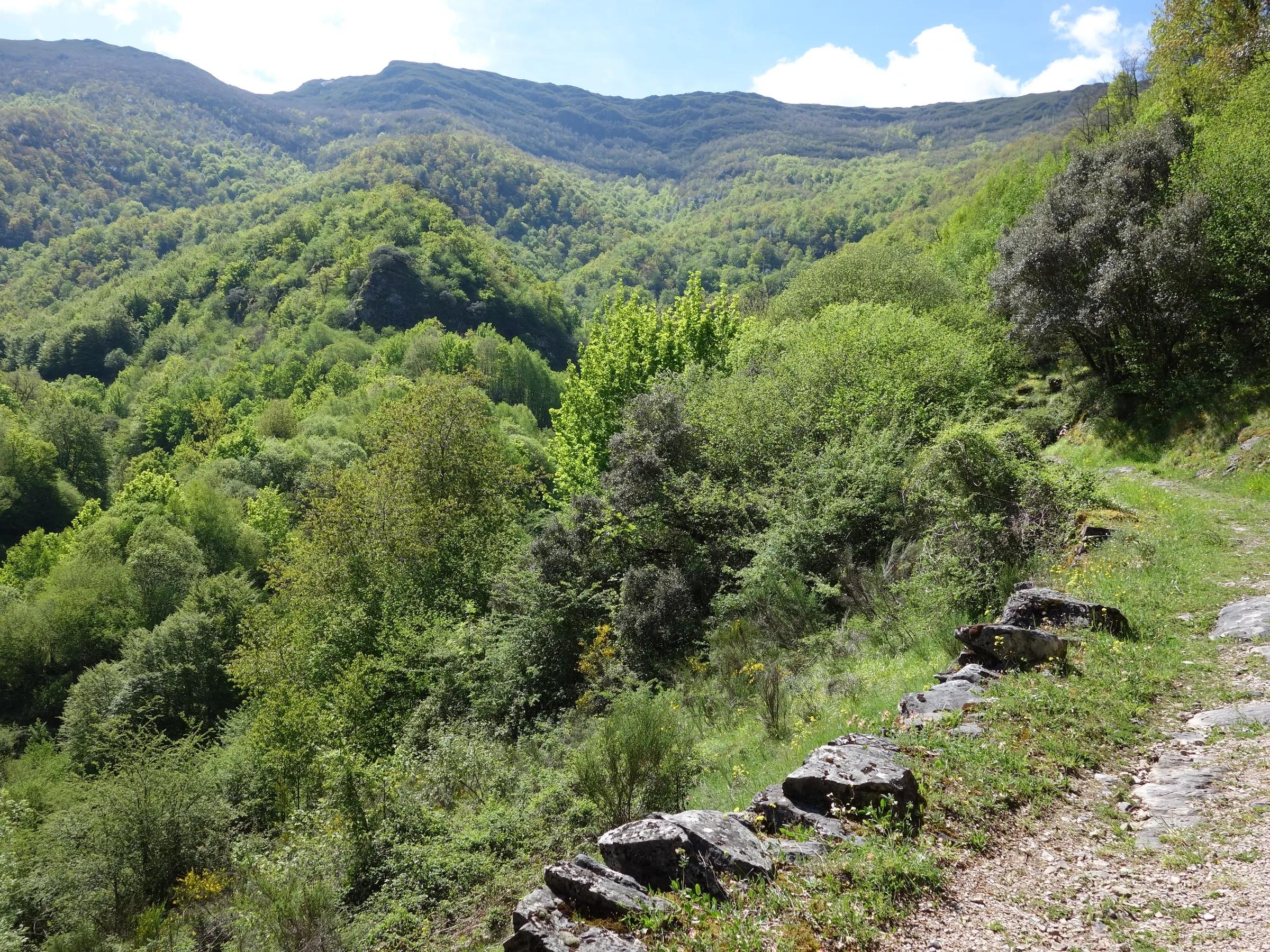
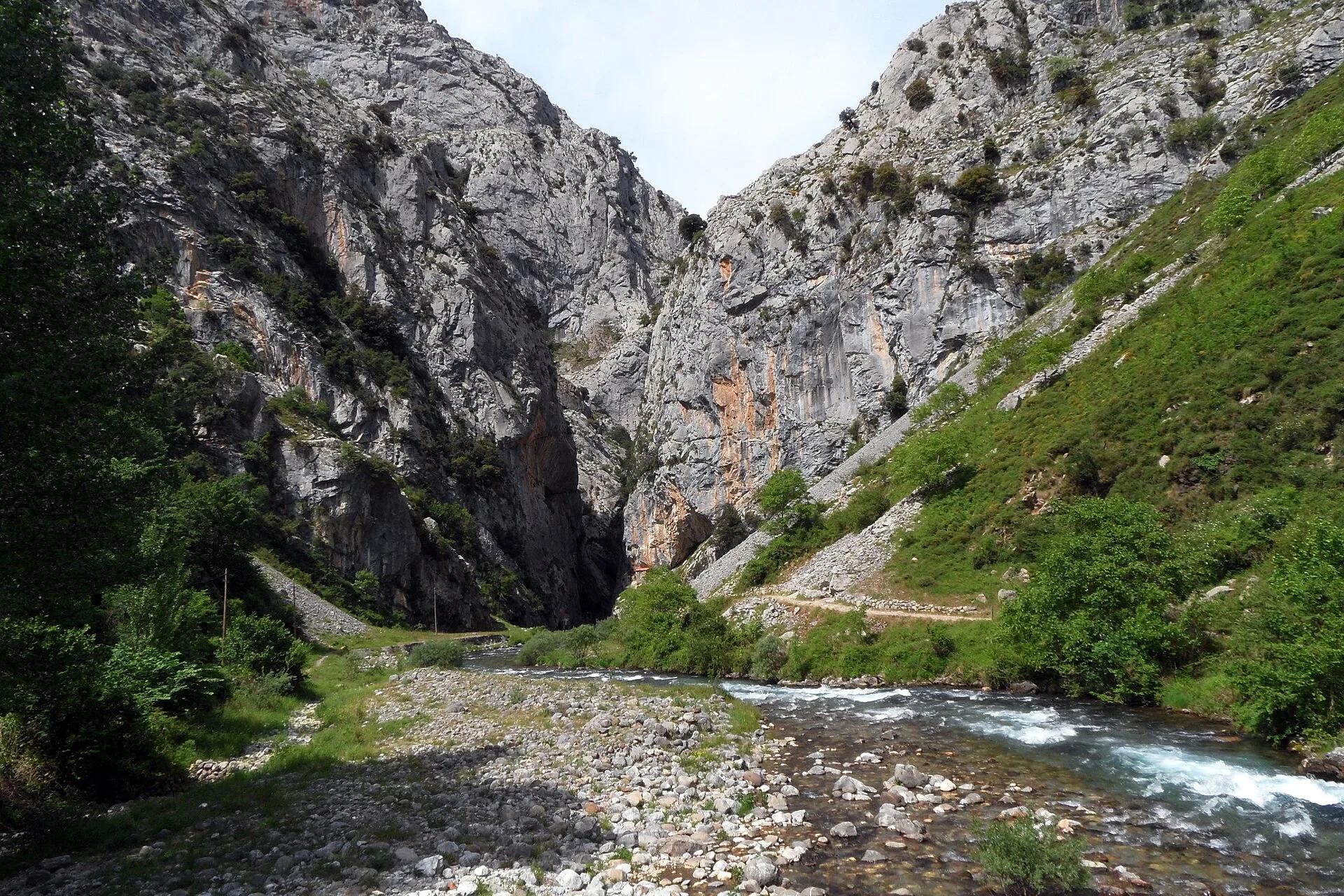
The Cares gorge from the trail: limestone walls, beech woods and the river far below

Discover northern Spain

Find your next adventure

Walk mountain trails, paddle rivers, explore caves or discover something new: routes and activities across all eight provinces.

  • 317routes and activities
  • 13kinds of adventure

The Cares gorge from the trail · Photo: Javier Mendia García from leioa / Wikimedia Commons, CC BY 2.0

What would you love to try?

Choose a kind of adventure to see its routes, activities and the places they lead to.

Ranked by official recognition

Top 10 things to do

The ten that official bodies recognise most strongly, with the best at the top.

How we rank

First, official recognition of the activity or its place, each with its source: UNESCO, national and natural parks, Starlight reserves, festivals of tourist interest, and the tourism board naming it among its highlights. Then how complete our checked information is: a real photo, a meeting point, the months, the duration. No paid placements and no invented stars.

Browse

Explore all activities

What kind?

Type of day

Activity

Kind of adventure

317 results

Hiking & mountain trailsTop 1055 results

  • Javier Pérez López / Wikimedia Commons, CC BY 3.0

    Hiking · On your own · Moderate

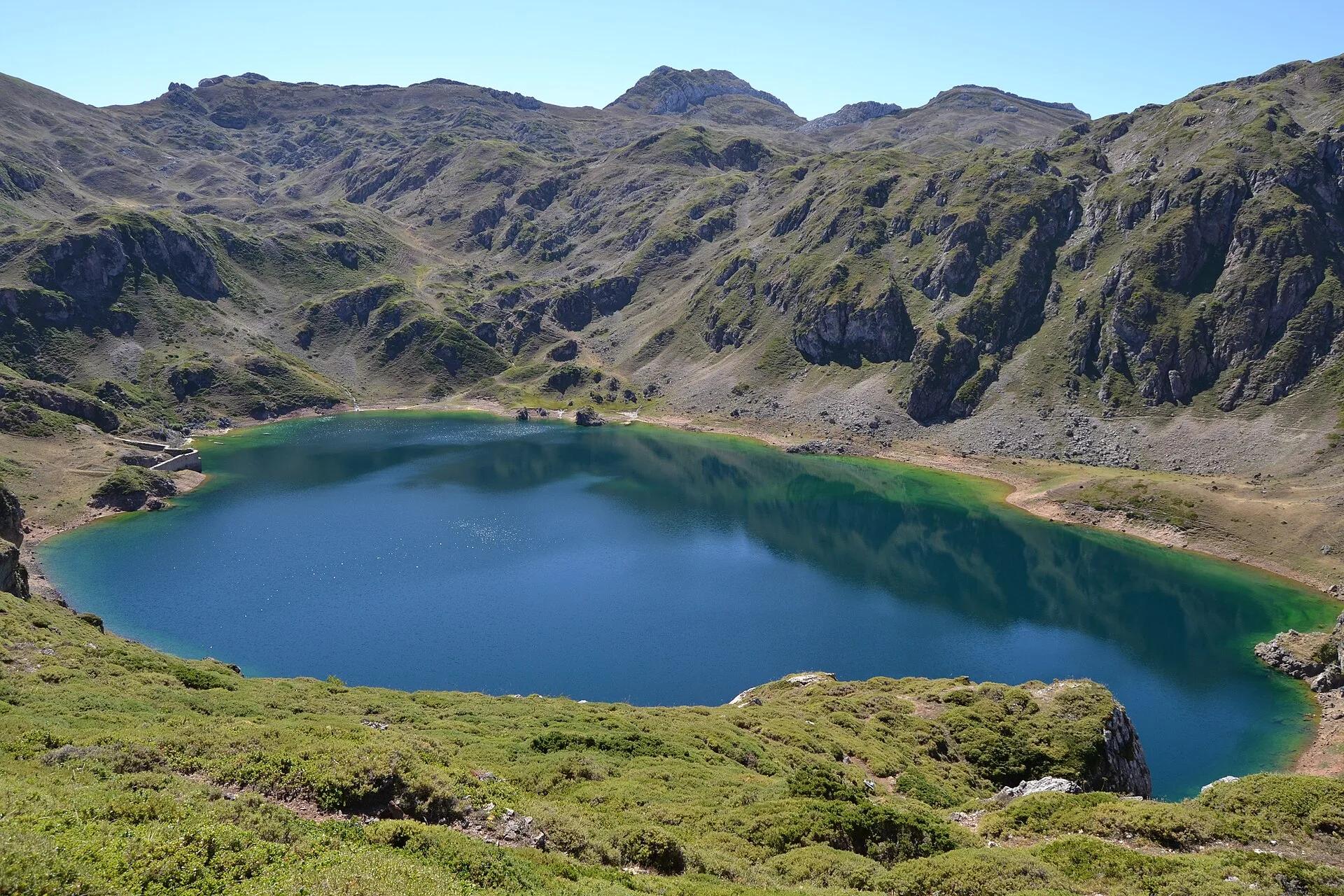
    Lago del Valle and the Gabitón braña, Somiedo

    Valle de Lago (El Val.le), Somiedo Natural Park, south-west Asturias. · Asturias

    • UNESCO Biosphere Reserve
    • Natural park

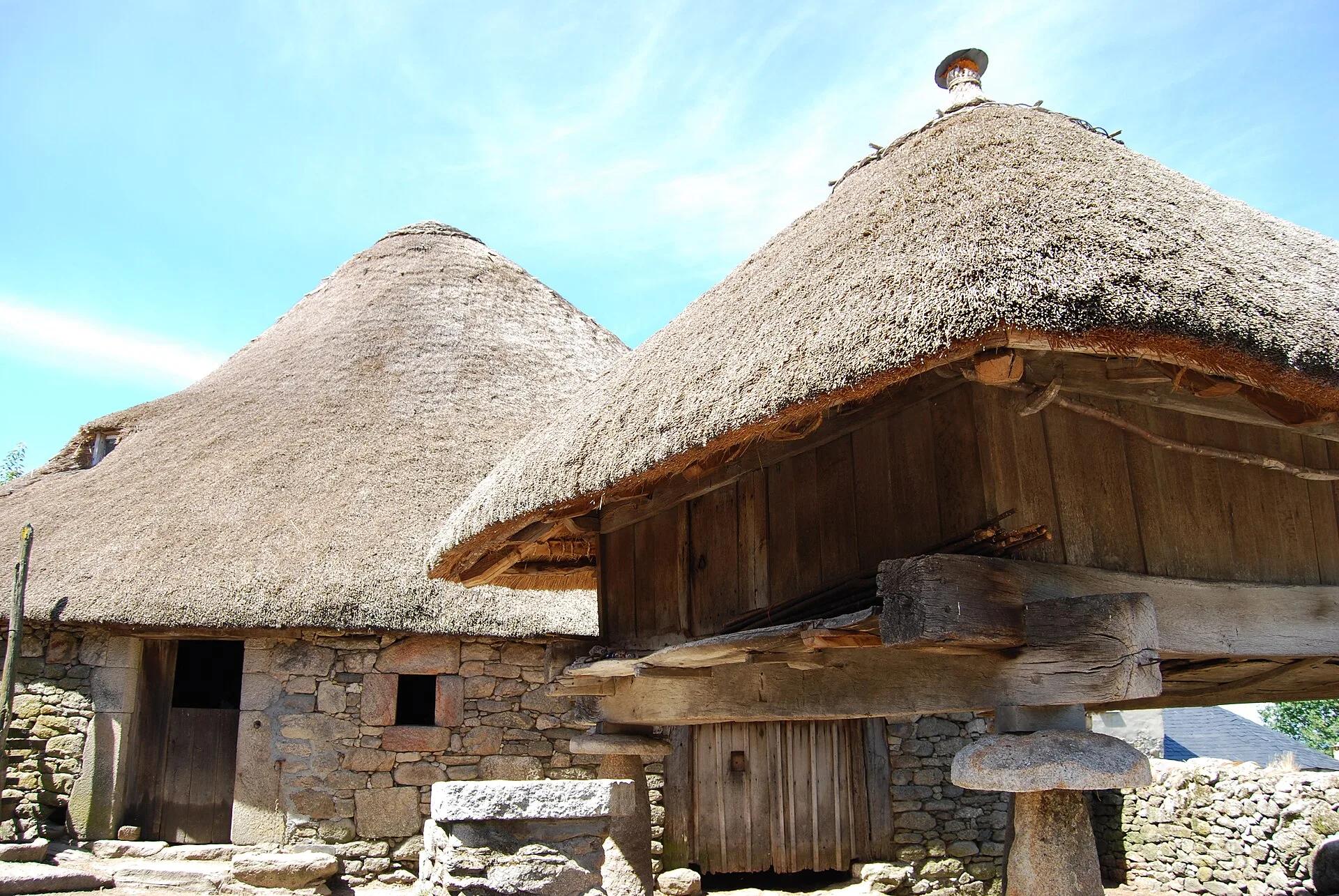
    A circular walk of about 15 km from the village of Valle de Lago up a vehicle-free track to the Lago del Valle, a glacial lake ringed by peaks. On the way you pass teitos, the traditional plant-roofed huts of the Somiedo herders, with a well-preserved group at the braña del Gabitón. The return runs along the other bank of the river and can be extended round the Malva reservoir.

    Checked 6 Nov 2026

    View activity
  • McBodes / Wikimedia Commons, CC BY 3.0

    Hiking · On your own · Moderate

    Ruta del Alba, Redes Natural Park

    Soto de Agues, Sobrescobio, in the Redes Natural Park (central-eastern Asturias). · Asturias

    • Natural monument
    • UNESCO Biosphere Reserve

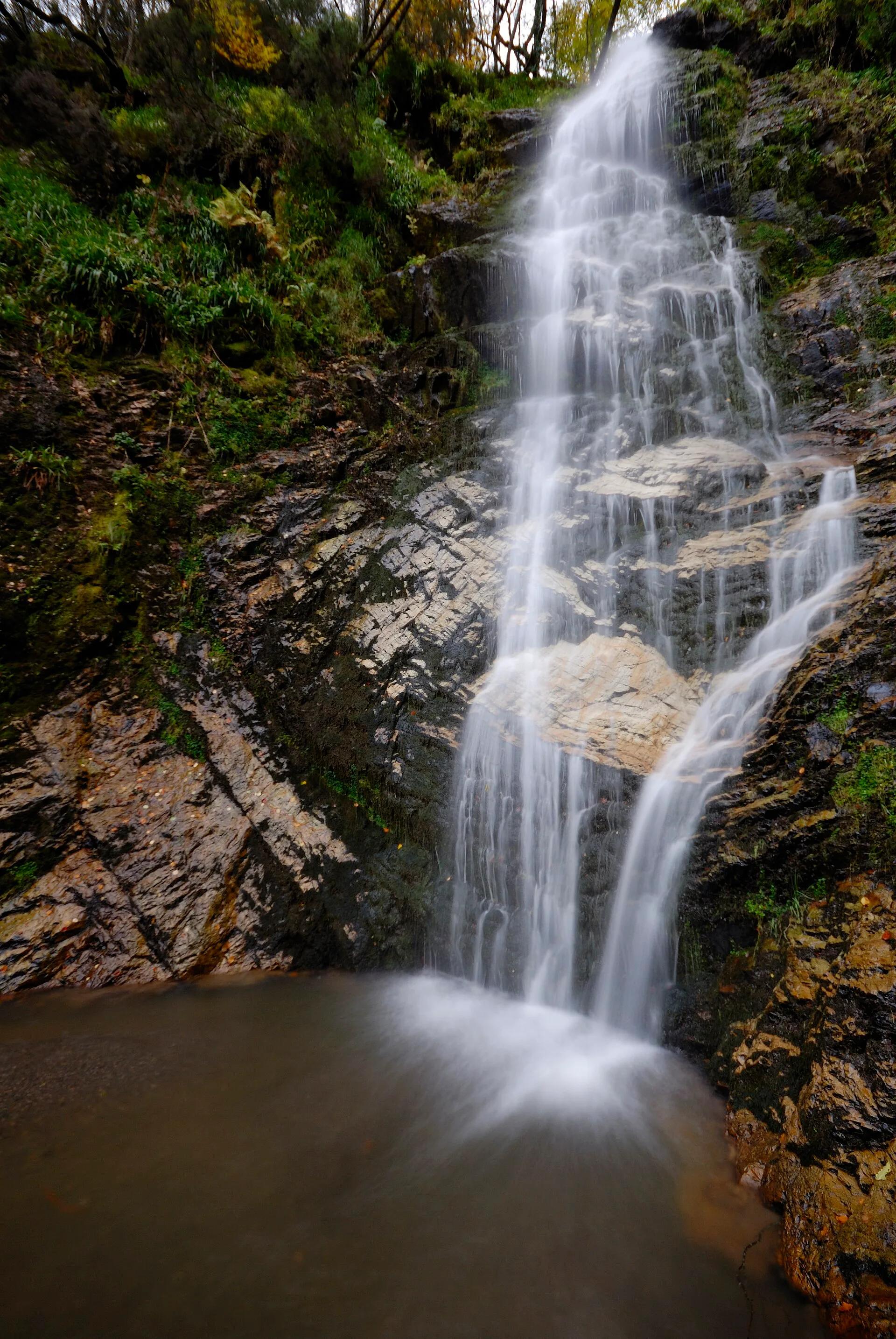
    A there-and-back walk of about 14 km from the village of Soto de Agues up the valley of the River Alba, where pools, small waterfalls and springs follow one another through a gorge declared a Natural Monument. Turismo Asturias calls it one of the most iconic routes in Asturias. The narrowest stretch, the Llaímo gorges, crosses the river on old stone bridges such as La Pontona.

    Checked 6 Nov 2026

    View activity
  • Luis Parra Rubio / Wikimedia Commons, CC BY-SA 4.0

    Hiking · On your own · Challenging

    Vega de Ario from the Lakes of Covadonga

    Buferrera/Lake Ercina car park, Lakes of Covadonga, Cangas de Onís (Picos de Europa National Park). · Asturias

    • UNESCO Biosphere Reserve
    • National park

    A long day walk of about 16 km return from the Lakes of Covadonga, past Lake Ercina, shepherds' sheepfolds such as Las Bobias and striking karst formations, to the Vega de Ario hut in the Picos de Europa National Park. Turismo Asturias describes it as long but without great technical difficulty, with views over the Central Massif.

    Checked 6 Nov 2026

    View activity
  • Pacodonderis / Wikimedia Commons, CC BY-SA 4.0

    Route · On foot · 20.4 km · Moderate

    Buferrera to the Ordiales viewpoint

    Starts at Buferrera (Lagos de Covadonga) · Asturias

    • National park
    • UNESCO Biosphere Reserve

    A high-mountain walk in the western massif from the Covadonga lakes, past the shepherds' huts of Vega de Enol, Vega La Cueva and Canraso to the Vegarredonda refuge, then up to the Ordiales viewpoint, where the Marquis of Villaviciosa, founder of the Covadonga Mountain National Park, is laid to rest. From Buferrera MITECO gives 10.2 km one way, 20.4 km and about 6 h 30 min there and back, 641 m of climb; medium, but tiring in one day. Starting from Pandecarmen shortens it to 15.4 km.

    Checked 5 Nov 2026

    View route
  • Javier Mendia García from leioa / Wikimedia Commons, CC BY 2.0

    Route · On foot · 22.1 km · Challenging

    Cares Route

    Starts at Poncebos (Funicular de Bulnes car park) · Asturias

    • National park
    • UNESCO Biosphere Reserve

    The gorge walk of the Picos de Europa National Park, cut into the rock above the Cares river between Poncebos in Asturias and Caín in León: about 11 km each way, 22 km there and back, rated very hard by Turismo Asturias and taking more than five hours. The path is barely a metre and a half wide for long stretches. MITECO's sheet for PR-PNPE 3 describes the longer, one-way variant from Posada de Valdeón to Poncebos (21 km, medium).

    Checked 23 Oct 2026

    View route
  • Pacodonderis / Wikimedia Commons, CC BY-SA 4.0

    Route · On foot · 5 km · Easy

    Covadonga Lakes Route

    Starts at Aparcamiento de la Buferrera · Asturias

    • National park
    • UNESCO Biosphere Reserve

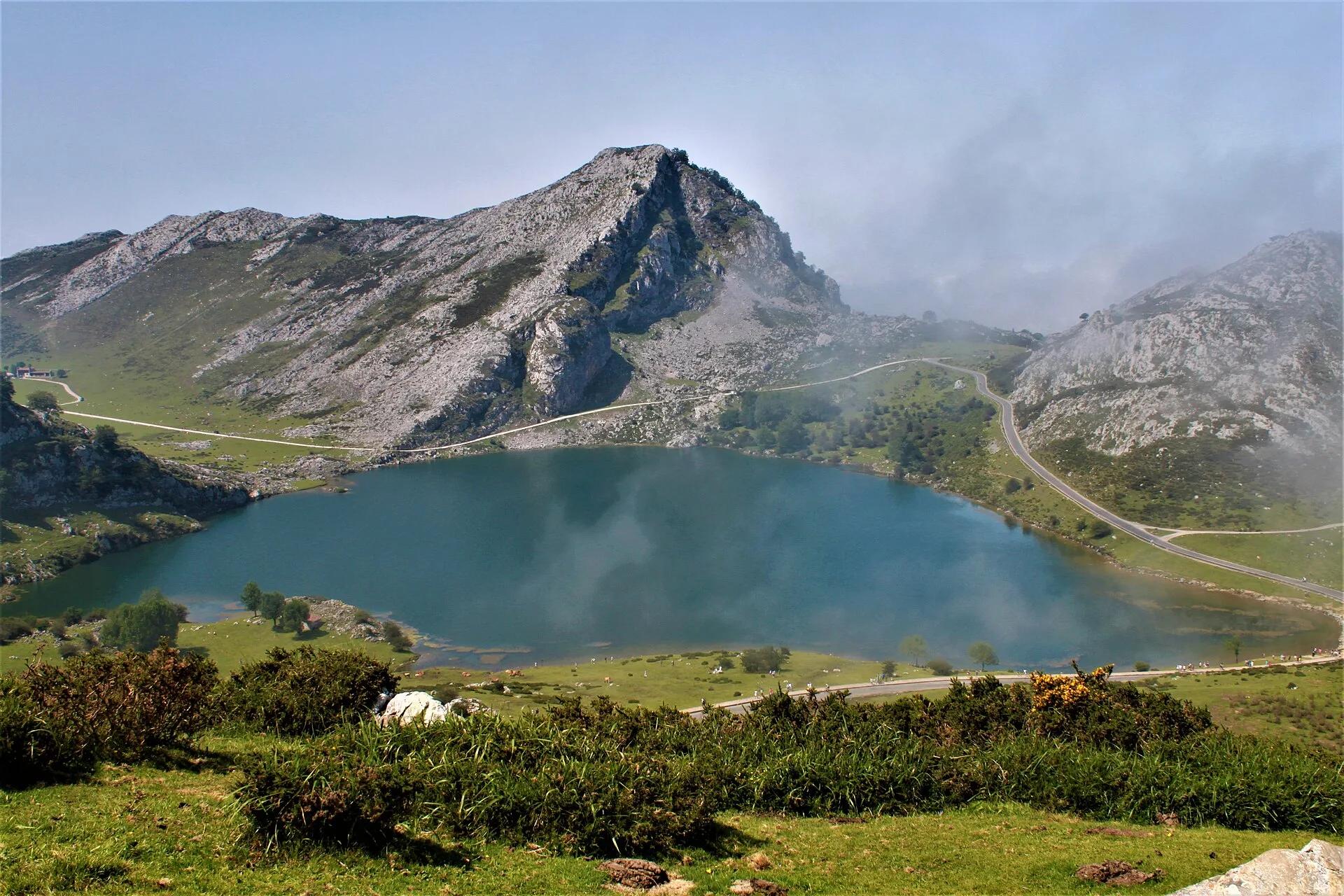
    A signposted loop around Lake Enol and Lake Ercina, high in the western massif of the Picos de Europa: 5 km and about two and a half hours for the long loop, 3 km and about an hour for the short one, with only 50 m of climbing (MITECO). It passes the Pedro Pidal visitor centre, the Príncipe viewpoint, the old Buferrera mines, the Bricial meadow, the Palomberu beech wood and the Vega de Enol; the short version climbs to the Entrelagos viewpoint and returns to Buferrera by a cobbled path. Allow another hour for the visitor centre and its model of the park.

    Checked 23 Oct 2026

    View route
  • Tanja Freibott / Wikimedia Commons, CC BY-SA 4.0

    Route · On foot · 13.3 km · Challenging

    Devesa da Rogueira trail

    Starts at Aula da Natureza, Moreda (Folgoso do Courel) · Lugo

    • UNESCO Global Geopark
    • UNESCO Biosphere Reserve

    A demanding loop in the Serra do Courel from the nature classroom at Moreda, up through the stone hamlet of Moreda Maior to a viewpoint below Cabeza do Couto, then through conifers and then dense native forest along the top of the Devesa da Rogueira, and back down the Rogueira stream. Turismo de Galicia gives 13.3 km including the side paths to As Fontes do Cervo and the Pico Polín viewpoint (9.5 km without them), medium-high difficulty and about 5 h 45 min.

    Checked 5 Nov 2026

    View route
  • Saliencia2013 / Wikimedia Commons, CC BY-SA 3.0

    Hiking · On your own · Moderate

    Saliencia lakes circuit, Somiedo

    Alto de La Farrapona, on the border between Somiedo (Asturias) and Babia (León). · Asturias

    • UNESCO Biosphere Reserve
    • Natural park

    A circular high-mountain walk from the Alto de La Farrapona (about 1,700 m) past four glacial lakes: La Cueva, Almagrera, Cerveriz and Calabazosa or Lago Negro, the largest and up to 60 metres deep. The path follows an old mining track and the PR-AS 15 through the Somiedo Natural Park and Biosphere Reserve; Turismo Asturias suggests it for families as well as experienced walkers.

    Checked 6 Nov 2026

    View activity
  • Teseum / Wikimedia Commons, CC BY-SA 4.0

    Route · On foot · 27.5 km · Challenging

    Peloño Forest

    Starts at Mirador de Les Bedules · Asturias

    • UNESCO Biosphere Reserve
    • Natural park

    A walk into one of the great beech forests of Ponga Natural Park, starting at the Les Bedules viewpoint with views over the Ponga valley towards the Picos de Europa. It follows the old Camín de los Arrieros, a wide and well-marked track, reaches the Granceno pass after about 3 km and goes on through the beech wood: about 14 km each way, 27.5 km and more than five hours there and back, with 1,027 m of climbing, rated very hard by Turismo Asturias. You can turn back whenever you like; the viewpoint itself has a wooden walkway adapted for reduced mobility.

    Checked 23 Oct 2026

    View route
  • Route · On foot · 9.7 km · Moderate

    Lagoa da Lucenza trail

    Starts at A Seara (Quiroga) · Lugo

    • UNESCO Global Geopark
    • UNESCO Biosphere Reserve

    A mountain loop in O Courel from the hamlet of A Seara, up the Selmo valley past the O Fócaro waterfall to the glacial lake of A Lucenza and the open ground of Campa da Lucenza, above 1,500 m, returning down the Forgas valley. Turismo de Galicia gives 9.7 km, medium difficulty and about 4 h 30 min, and suggests spring or autumn because the high ground can be harsh in summer and winter.

    Checked 5 Nov 2026

    View route

Cycling & mountain bikingTop 1030 results

  • Nurfermi / Wikimedia Commons, CC BY-SA 4.0

    Road cycling · Challenging

    Road cycling: the climb to the Lagos de Covadonga

    The climb starts at the roundabout leading to the Lagos road near the Basilica of Covadonga and ends at Lake Enol and Lake Ercina; the circular route starts and ends in Cangas de Onís. · Asturias

    • National park
    • UNESCO Biosphere Reserve

    The climb to the Lagos de Covadonga is described by the regional tourism board as a benchmark of international cycling: a very hard ascent of 14 km with more than 1,000 m of accumulated climbing. The official 'Ruta de la Reconquista' is a circular ride from Cangas de Onís via Arriondas, the Alto del Fito and Ribadesella, with the climb as an extension. The board notes that it has little technical difficulty but requires good fitness.

    Checked 3 Nov 2026

    View activity
  • Road cycling · On your own · Challenging

    Road cycling: the Reconquista loop over El Fito

    Cangas de Onís – Arriondas – Alto del Fito – Caravia – Ribadesella – Nueva and back (eastern Asturias). · Asturias

    • National park
    • UNESCO Biosphere Reserve

    A 116 km day loop from Cangas de Onís with about 3,090 metres of climbing. It follows the Sella to Arriondas, climbs some 10 km to the Mirador del Fito in the Sueve, with views over cliffs and beaches and towards the Ponga and Picos de Europa parks, then drops to the coast at Caravia and Ribadesella before heading inland again towards Cangas.

    Checked 6 Nov 2026

    View activity
  • Road cycling · On your own · Challenging

    Road cycling in Ponga: Sellaño, Beleño and Les Bedules

    Sellañu – Sobrefoz – San Juan de Beleño – Les Bedules, Ponga Natural Park. · Asturias

    • UNESCO Biosphere Reserve
    • Natural park

    A 54 km loop through the Ponga Natural Park with about 1,840 metres of climbing. It follows the River Ponga upstream from Sellañu, then climbs on narrow, partly potholed tarmac through the Foz gorge to Sobrefoz and San Juan de Beleño, home of the park's interpretation centre, with viewpoints over beech woods and folded, faulted rock.

    Checked 6 Nov 2026

    View activity
  • Alcoyote89 / Wikimedia Commons, CC BY-SA 4.0

    Mountain biking · On your own · Challenging

    Mountain biking in Redes: the Brañagallones loop

    Bezanes, Caso, in the Redes Natural Park. · Asturias

    • UNESCO Biosphere Reserve

    A very hard 37 km loop from Bezanes with more than 2,000 metres of climbing on forest tracks, steep concrete ramps and a beech-wood path. It climbs to La Collaína and the Collá de La Canalina (1,564 m), the high point, then descends past the Mericueria sheepfold to the meadow of Brañagallones with its scattered huts, and down the track back to Bezanes.

    Checked 6 Nov 2026

    View activity
  • Road cycling · On your own · Challenging

    Road cycling: the Three Natural Parks loop

    Samartín (Teverga) – Puerto Ventana – San Emiliano and Piedrafita de Babia (León) – Puerto de Somiedo – La Pola Somiedo – Puerto de San Lorenzo. · Asturias

    • UNESCO Biosphere Reserve

    A 101 km day loop from Samartín de Teverga over three passes: the long, gentle Ventana pass (1,587 m) past the Montegrande beech wood into Babia (León), the short Somiedo pass (1,485 m) and finally the San Lorenzo pass (1,347 m), almost 10 km with ramps of up to 15 per cent, before an 11 km descent back to Teverga. Total climbing is about 2,740 metres.

    Checked 6 Nov 2026

    View activity
  • Joaquinceb / Wikimedia Commons, public domain

    Cycling · Easy

    Cycling the Senda del Oso greenway

    From the Tuñón recreation area (Santo Adriano) to Caranga Baxu (Proaza), inside the Las Ubiñas-La Mesa Natural Park; from Caranga the route branches towards Teverga and Quirós. · Asturias

    The Senda del Oso is a greenway on the old mining railway line from Teverga and Quirós, and its first section from Tuñón to Caranga Baxu is almost flat, with bridges and tunnels along the Trubia river. The regional tourism board presents this 11 km section as easy and ideal for families on foot or by bike. Along the way is the enclosure where the brown bear Molina lives in semi-freedom.

    Checked 3 Nov 2026

    View activity
  • Sierra del Aramo / Wikimedia Commons, public domain

    Road cycling · Challenging

    Road cycling: the Angliru climb

    In the municipality of Riosa; the climb starts at Cardeo on the MO-1 road, and the circular route starts and ends in Les Caldes. · Asturias

    The Angliru, in Riosa, is presented by the regional tourism board as the most mythical climb of the Vuelta a España, with more than 12 km at an average gradient of 10%. The official route is a circular ride from Les Caldes on quiet local roads with the climb added as an extension; the last 6 km average over 13%, with a maximum of 23.5% at La Cueña les Cabres. The board stresses that good fitness is the main requirement.

    Checked 3 Nov 2026

    View activity
  • Wikicorujo / Wikimedia Commons, CC BY-SA 4.0

    Gravel cycling · On your own · Moderate

    Gravel ride along the western coastal plateau: Luarca to Castropol

    Luarca/Ḷḷuarca to Castropol, western Asturian coast. · Asturias

    A 76 km linear stage of Turismo Asturias' long-distance cycle route, designed for gravel bikes. From the fishing town of Luarca it follows the coastal plateau past the Barayo nature reserve, Puerto de Vega with its fishermen's houses and indiano mansions, Navia and Cape San Agustín towards Castropol on the Eo estuary. You can return by the FEVE coastal train.

    Checked 6 Nov 2026

    View activity
  • FIPE62 / Wikimedia Commons, CC BY-SA 4.0

    Road cycling · On your own · Challenging

    Road cycling: Campomanes to the Alto de La Cubilla

    Campumanes (Lena) to La Cubilla pass on the Asturias–León border. · Asturias

    A climb of almost 30 km up the Huerna valley, 18 of them steady from Los Pontones but rarely above 10 per cent, through the villages of Teyeo, Rospaso and Tuíza and oak woods that give way to high mountain views of Las Ubiñas. Turismo Asturias compares its hairpins and alpine feel to great Tour de France stages and calls it one of the most beautiful climbs in central Asturias.

    Checked 6 Nov 2026

    View activity
  • Patisalva / Wikimedia Commons, CC BY-SA 4.0

    Road cycling · On your own · Challenging

    Road cycling: Pajares pass and Cuitu Negro

    Campumanes (Lena) to Pajares pass and El Brañillín / Cuitu Negro. · Asturias

    This route links the climb to the Pajares pass, a classic of the Vuelta a España, with the ascent to Cuitu Negro (1,841 m), the highest point of the Valgrande-Pajares ski resort. From the Los Fierros bridge it is about 13 km at 6.9 per cent to the pass, then a final 3 km from El Brañillín averaging 12 per cent, with the last section above 20 per cent on a rough surface.

    Checked 6 Nov 2026

    View activity

Climbing & via ferrataTop 1012 results

  • jacilluch / Wikimedia Commons, CC BY-SA 2.0

    Climbing

    Sport climbing at Visuña (O Courel)

    Visuña, Folgoso do Courel, Serra do Courel (province of Lugo). · Lugo

    • UNESCO Global Geopark
    • UNESCO Biosphere Reserve

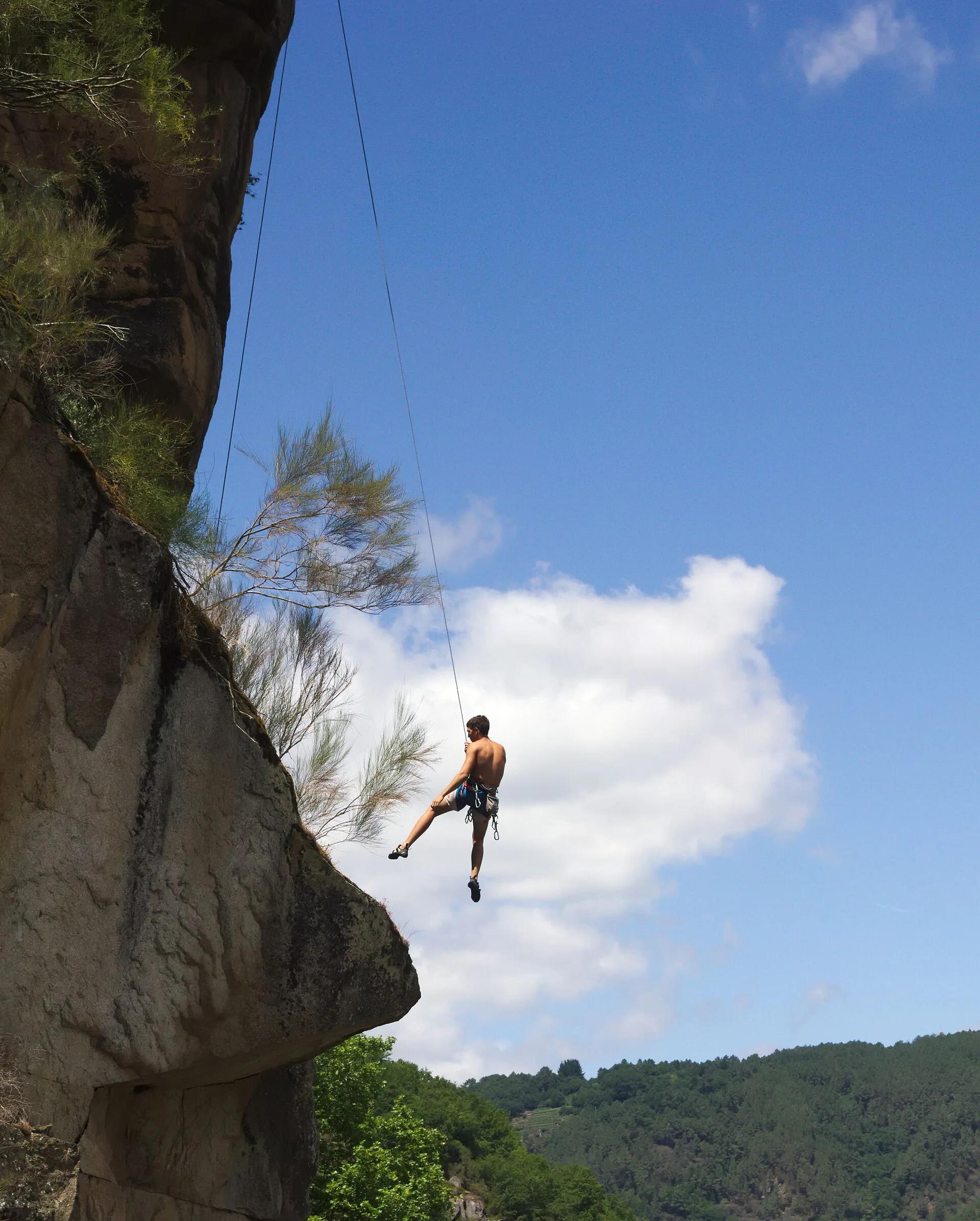
    Visuña, in Folgoso do Courel, is a sport-climbing school on limestone rather than the granite common in Galicia. Turismo de Galicia counts 38 routes with an average height of 15 metres, mostly short lines on overhangs with good edges, in the setting of the Serra do Courel.

    Checked 3 Nov 2026

    View activity
  • No machine-readable author provided. Davidphase assumed (based on copyright claims). / Wikimedia Commons, CC BY-SA 2.5

    Climbing · With a guide or on your own · Challenging

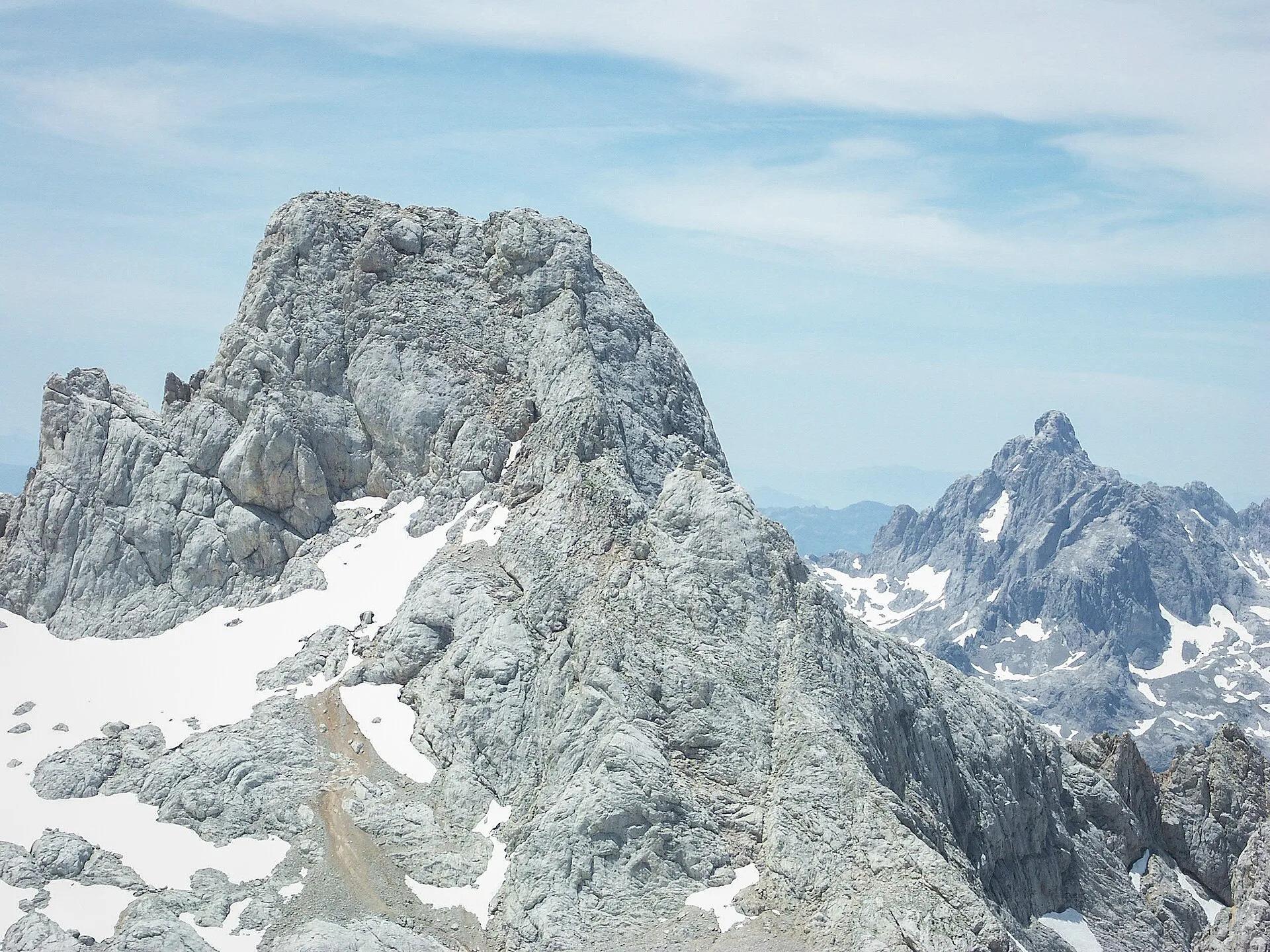
    Torrecerredo, the highest peak of the Picos de Europa

    Central Massif of the Picos de Europa National Park, Cabrales; start at the Pandébano col above Sotres. · Asturias

    • National park

    At 2,648 metres Torrecerredo is the highest summit in the Picos de Europa. Turismo Asturias describes the ascent from the Pandébano col, via the Urriellu hut and the Brecha de los Cazadores, as a technical alpine route with climbing and steep, exposed ground. Its climbing blog suggests the Normal Route (II+) or the South-East Route (IV), with the remote Jou de los Cabrones hut as a base.

    Checked 6 Nov 2026

    View activity
  • Amomismontañas / Wikimedia Commons, CC BY-SA 4.0

    Climbing

    Climbing the Picu Urriellu (Naranjo de Bulnes)

    Central Massif (Urrieles) of the Picos de Europa, municipality of Cabrales; the base is the Vega de Urriellu refuge. · Asturias

    • National park

    The Picu Urriellu, also known as the Naranjo de Bulnes, in the Central Massif of the Picos de Europa National Park, is described by the regional tourism board as a legendary summit for climbers worldwide. The Vega de Urriellu mountain refuge stands at its foot, at about 1,953 m. Mountain-guide companies offer guided ascents of the peak.

    Checked 3 Nov 2026

    View activity
  • Falk2 / Wikimedia Commons, CC BY-SA 4.0

    Climbing · With a guide or on your own · Challenging

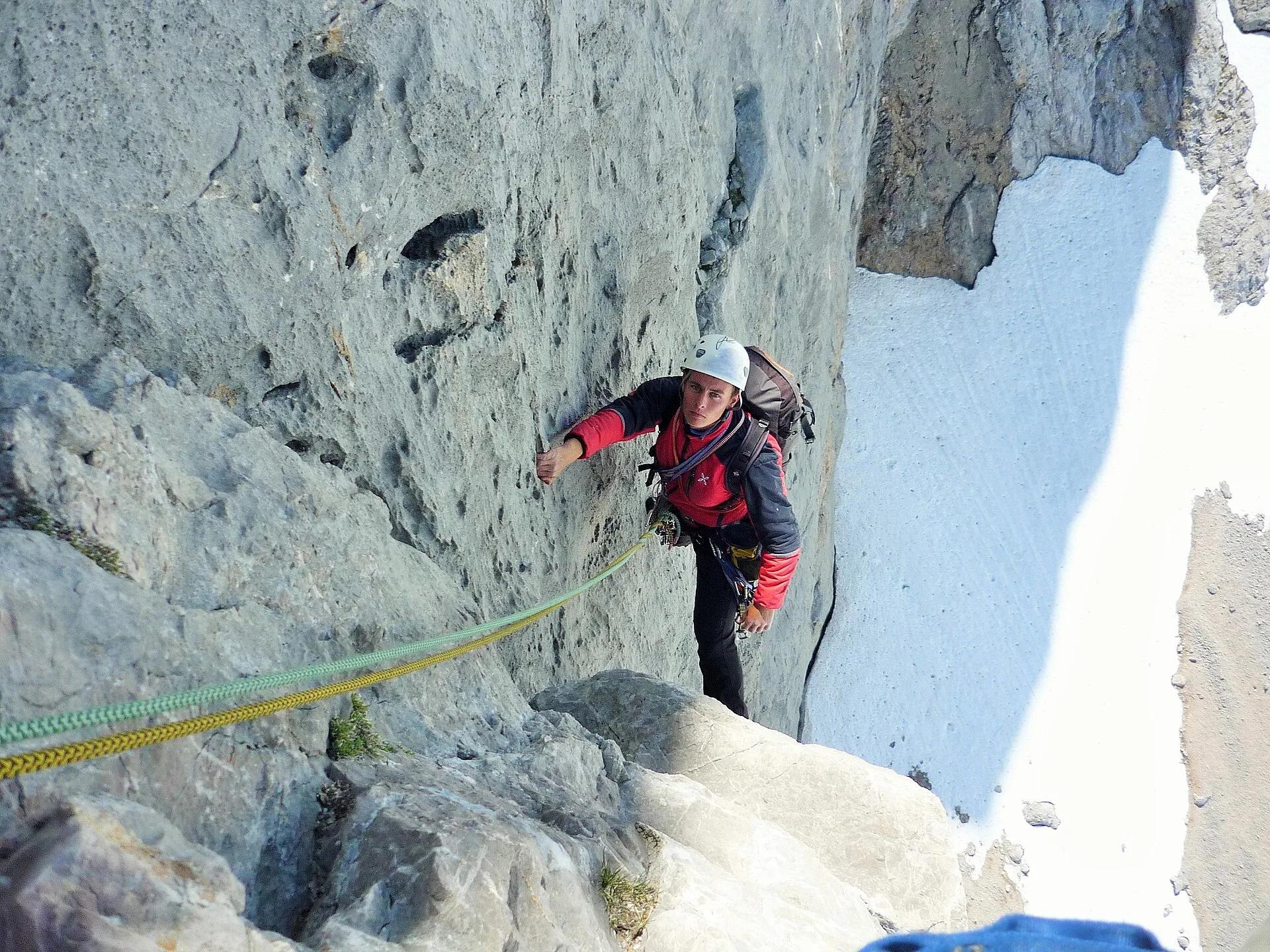
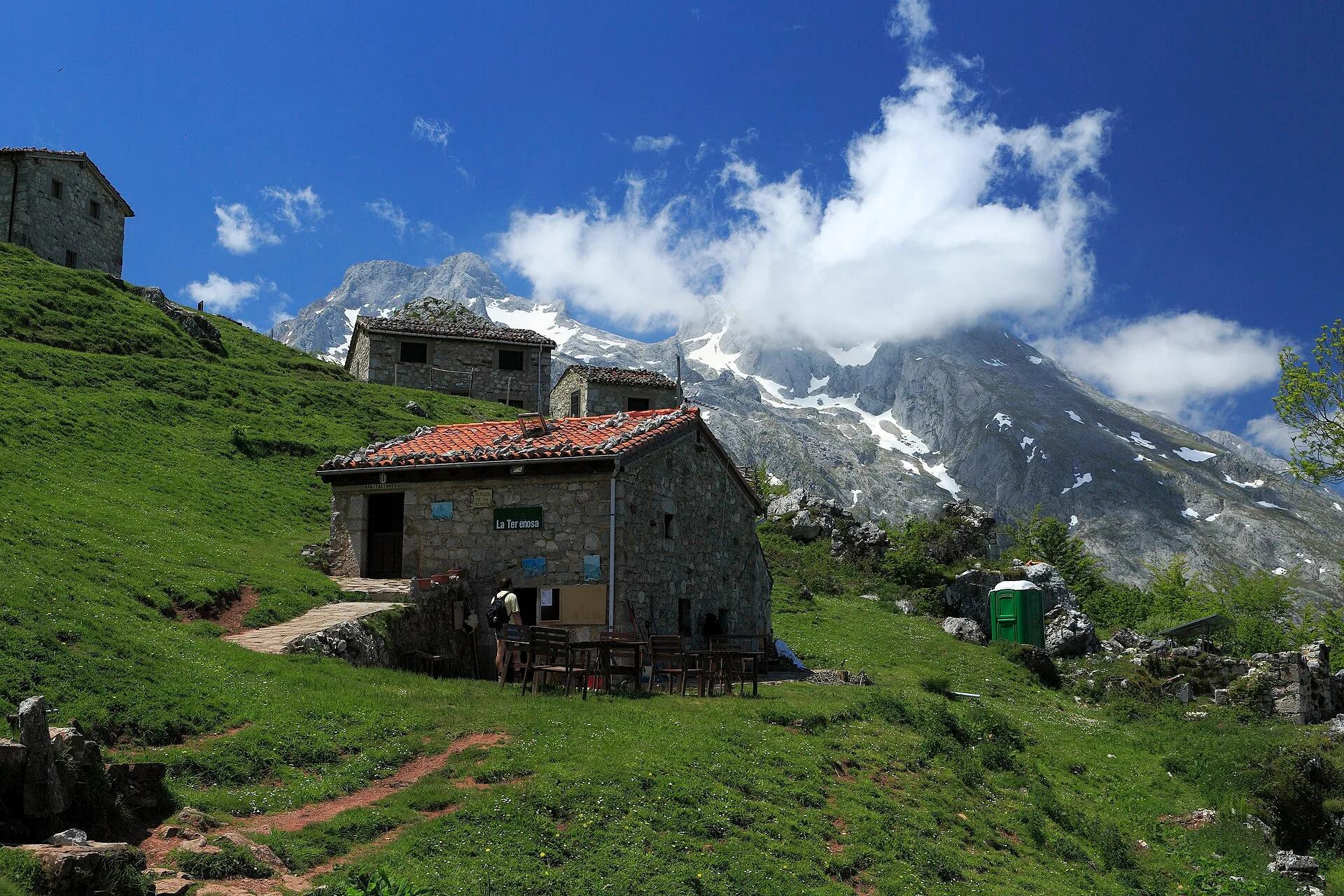
    Alpine climbing on Peña Castil

    Central Massif, Picos de Europa National Park, Cabrales (La Terenosa hut). · Asturias

    • National park

    Turismo Asturias' climbing blog describes Peña Castil, in the Central Massif of the Picos de Europa, as less known than the Naranjo de Bulnes but with interesting, challenging routes in a quieter setting. It suggests the Normal Route (III) or the North Face for more technical climbing, with the La Terenosa hut, on the way from Pandébano towards Urriellu, as a base.

    Checked 6 Nov 2026

    View activity
  • Waltie / Wikimedia Commons, CC BY-SA 4.0

    Via ferrata · With a guide or on your own · Challenging

    Vía Ferrata de Valdeón

    Valdeón valley, municipality of Posada de Valdeón (León), inside the Picos de Europa National Park. · León

    • National park

    The Vía Ferrata de Valdeón opened in July 2016 as the first installation of its kind within the Picos de Europa National Park. Posada de Valdeón town council classifies it K4 (high difficulty) on the Hüsler scale and advises anyone without a medium-high level of preparation not to do it on their own but with a professional mountain guide. Access is requested through the council's online form, and the council publishes conditions of use.

    Checked 3 Nov 2026

    View activity
  • Climbing · With a guide or on your own · Challenging

    Peña Santa de Enol (Torre de Santa María)

    Western Massif (Cornión), Picos de Europa National Park; start at Pandecarmen, Lakes of Covadonga, Cangas de Onís. · Asturias

    • UNESCO Biosphere Reserve

    The 2,478-metre Torre de Santa María, or Peña Santa de Enol, towers over the Jou Santo in the Western Massif. Turismo Asturias describes a demanding ascent from Pandecarmen through beech wood and pastures to the Vegarredonda hut, then over rocky ground to the Horcada de Santa María and the Grieta Rubia, and recommends a guide and helmet. Climbers can choose the classic South Route (IV) or the East Route (V).

    Checked 6 Nov 2026

    View activity
  • Climbing

    Sport climbing at the Cuatro Valles climbing school (Babia, Luna and Bernesga)

    Seven areas in León province: Villafeliz (Babia), Rabanal de Luna, Sena de Luna, Mirantes de Luna, Piedrasecha, Geras de Gordón and Beberino. According to the guide, all of them lie within the Babia, Omaña y Luna and Alto Bernesga biosphere reserves. Rabanal de Luna has the most routes and the widest range, from low-grade grey limestone slabs at Las Placas to hard orange overhangs at Mustachal; Piedrasecha, with 60 routes, is about 30 km from the city of León. · León

    • UNESCO Biosphere Reserve

    The Asociación Cuatro Valles, a non-profit local action group that promotes rural development in 25 municipalities of León province, created a sport-climbing school with seven equipped areas in the valleys of Babia, Luna and the Bernesga. Its climbing guide speaks of about 300 routes bolted with M-10 expansion bolts and lower-offs, mostly on limestone, with different orientations and types of climbing. The association says this complements the routes that already existed around the Hoces de Vegacervera. Each equipped sector has an information board listing its routes and their characteristics.

    Checked 3 Nov 2026

    View activity
  • Wamba Wambez / Wikimedia Commons, CC BY-SA 3.0

    Via ferrata · With a guide

    Vidosa via ferrata, Los Beyos gorge

    Vidosa, in the Desfiladero de los Beyos, municipality of Ponga (eastern Asturias); the operator's departures are from Arriondas. · Asturias

    A via ferrata at Vidosa, in the Los Beyos gorge (Ponga), is listed on Spain's official tourism portal as a guided activity run by an active-tourism company. The route is both vertical and horizontal and is protected by a steel cable along its whole length; participants clip in with a harness, an energy absorber and via ferrata karabiners. The operator states it takes about two hours plus transfer.

    Checked 3 Nov 2026

    View activity
  • Luis Rogelio HM / Wikimedia Commons, CC BY-SA 2.0

    Via ferrata · On your own · Challenging

    Tobera via ferrata, Frías

    Tobera valley, Frías (Las Merindades, Burgos). · Burgos

    Set in the Tobera valley beside Frías, in the Montes Obarenes, this via ferrata combines vertical sections, suspension bridges and exposed traverses, with good anchors and signage. It is graded K3 on the Hüsler scale, and the Las Merindades tourist board warns it may feel harder than other ferratas of the same grade.

    Checked 6 Nov 2026

    View activity
  • Xosema / Wikimedia Commons, CC BY-SA 4.0

    Climbing

    Climbing in the Sil canyons at Os Peares

    Os Peares, at the confluence of the Miño and Sil, Ribeira Sacra (Ourense). · Ourense

    At Os Peares, where the Miño and the Sil meet, the Sil canyons climbing school has around 100 routes in 8 sectors on grey and orange granite, with walls from 10 to 40 metres. The area is specially protected, so climbers must request permission in advance from the regional nature conservation service.

    Checked 3 Nov 2026

    View activity

Rivers & paddlingTop 1022 results

  • Wamba Wambez / Wikimedia Commons, CC BY-SA 3.0

    Canyoning · With a guide

    Canyoning in eastern Asturias

    Canyons in the east of Asturias, for example the Vallegón and Carangas in Ponga and the Viboli in Amieva, reached through the Desfiladero de los Beyos. · Asturias

    • UNESCO Biosphere Reserve
    • Natural park

    Canyoning in Asturias is concentrated mostly in the east of the region, where mountain streams cut narrow gorges near the Picos de Europa. Descents combine walking, scrambling, abseiling and swimming, in small guided groups of at most eight or nine. Spain's tourism portal lists the Vallegón and Carangas canyons in Ponga as beginner level and the Viboli in Amieva as medium.

    Checked 23 Oct 2026

    View activity
  • Raúl Hidalgo / Wikimedia Commons, CC0

    Canyoning · Challenging

    Canyoning at A Corga da Fecha (Serra do Xurés)

    River Caldo, Baixa Limia-Serra do Xurés Natural Park (province of Ourense). · Ourense

    • UNESCO Biosphere Reserve
    • Natural park

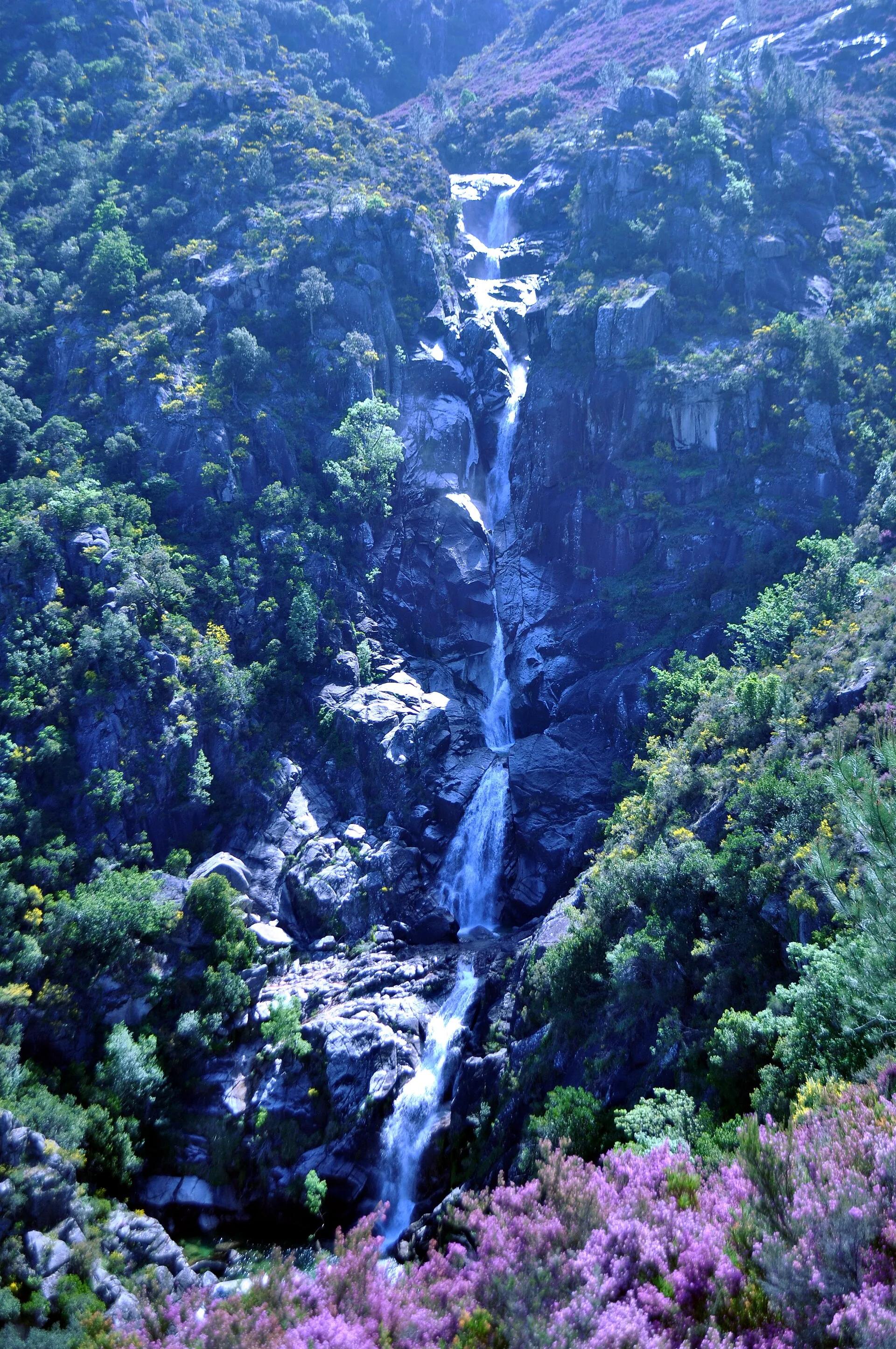
    In the Baixa Limia-Serra do Xurés natural park, the river Caldo runs between granite rocks valued for canyoning, with more than 400 m of descent, jumps, handrails and rappels at A Corga da Fecha, one of the highest waterfalls in Galicia. A circular walking route from Os Baños de Río Caldo leads there.

    Checked 3 Nov 2026

    View activity
  • Canoeing · With a guide or on your own

    Canoeing on the River Eo

    River Eo around San Tirso de Abres and Castropol (western Asturias). · Asturias

    • UNESCO Biosphere Reserve

    Turismo Asturias names the Eo, on the border with Galicia, among the calmest rivers in Asturias for a family canoe trip, with no experience needed. The river is the backbone of the Río Eo, Oscos and Terras de Burón Biosphere Reserve, declared by UNESCO in 2007 as the first shared by two regions. Companies in San Tirso de Abres and Castropol run canoe trips; one, at the riverside, guides small groups in one-, two- and three-seat boats.

    Checked 6 Nov 2026

    View activity
  • Ricardo Yagüe / Wikimedia Commons, CC BY-SA 4.0

    Canoeing · With a guide or on your own

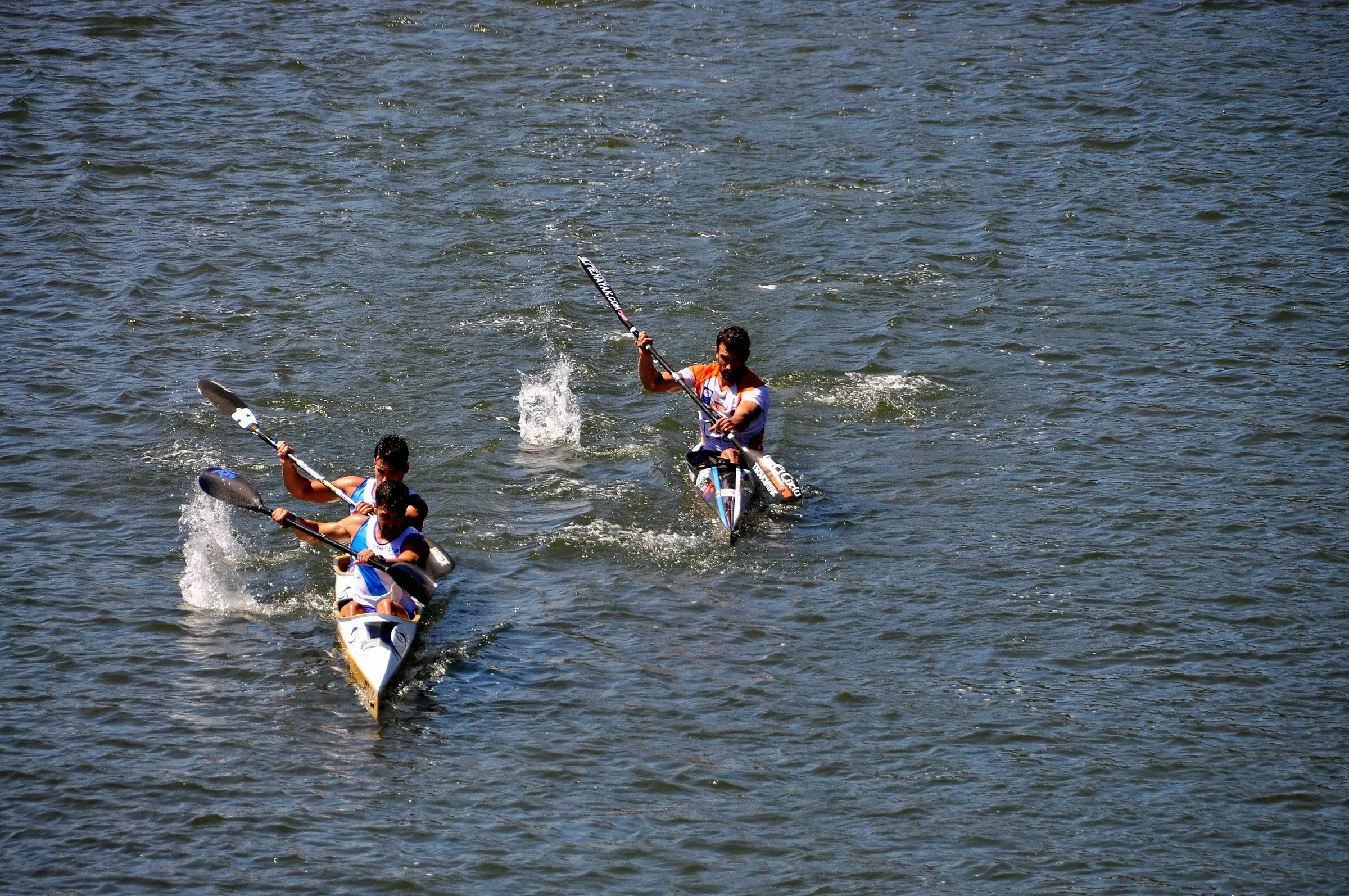
    Canoeing down the Sella river

    On the Sella from Arriondas downstream towards Ribadesella, with take-out points at about 7, 11 and 16 km (Toraño, Llordón and Llovio). · Asturias

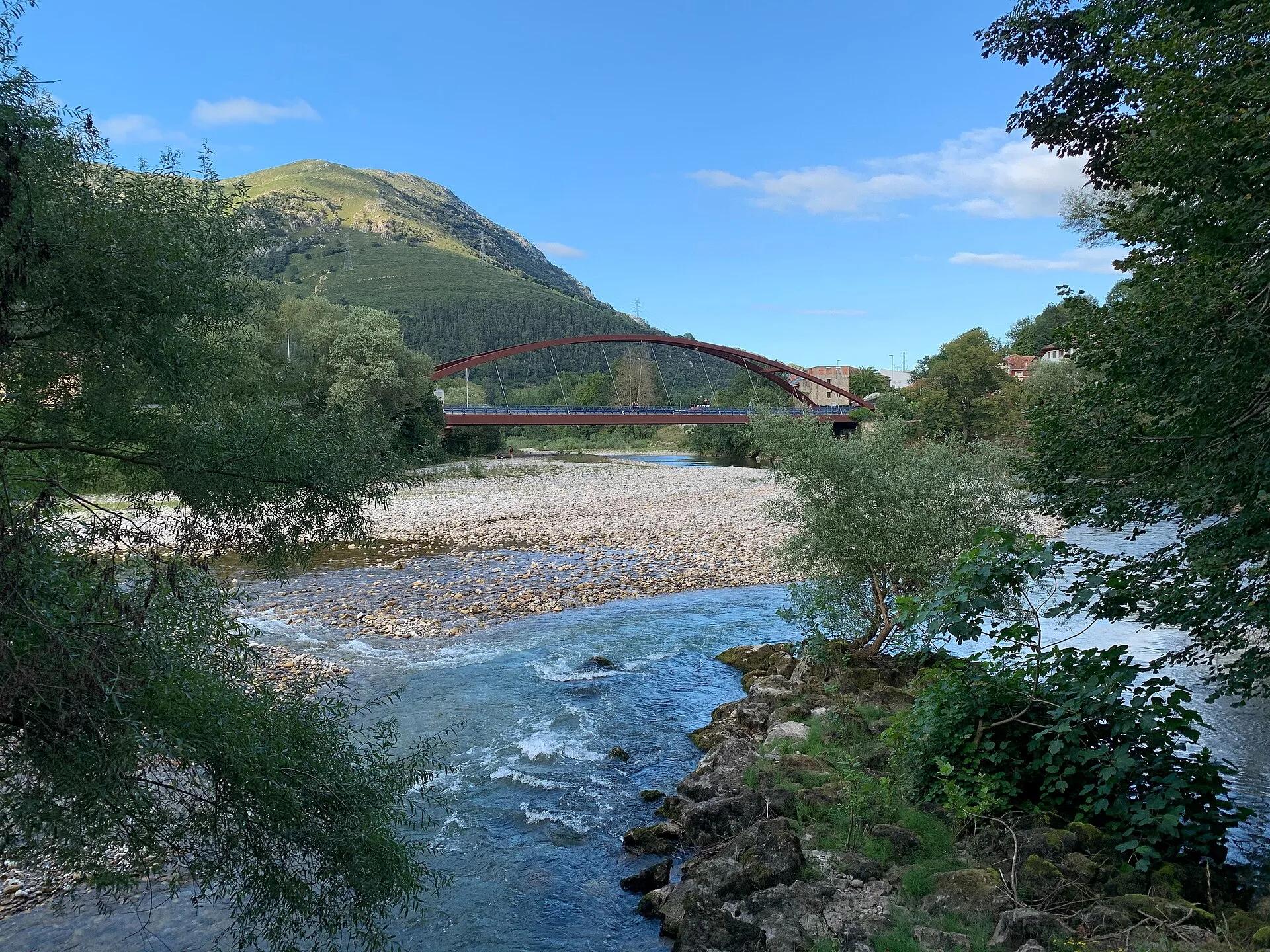
    Paddling down the Sella from Arriondas is one of the best-known outdoor activities in Asturias. The regional tourism board presents it as an easy descent suitable for families, and active-tourism companies rent canoes and run the trip for visitors. Stretches of different lengths are possible, ending at points downstream towards Ribadesella.

    Checked 23 Oct 2026

    View activity
  • Arsenio Blanco / Wikimedia Commons, CC BY-SA 4.0

    Activity · With a guide

    Catamaran trips through the Sil canyon

    River Sil, Ribeira Sacra: piers at Abeleda (Castro Caldelas), Ponte do Sil (Monforte de Lemos), Os Chancís (Sober) and Santo Estevo (Nogueira de Ramuín). · Ourense

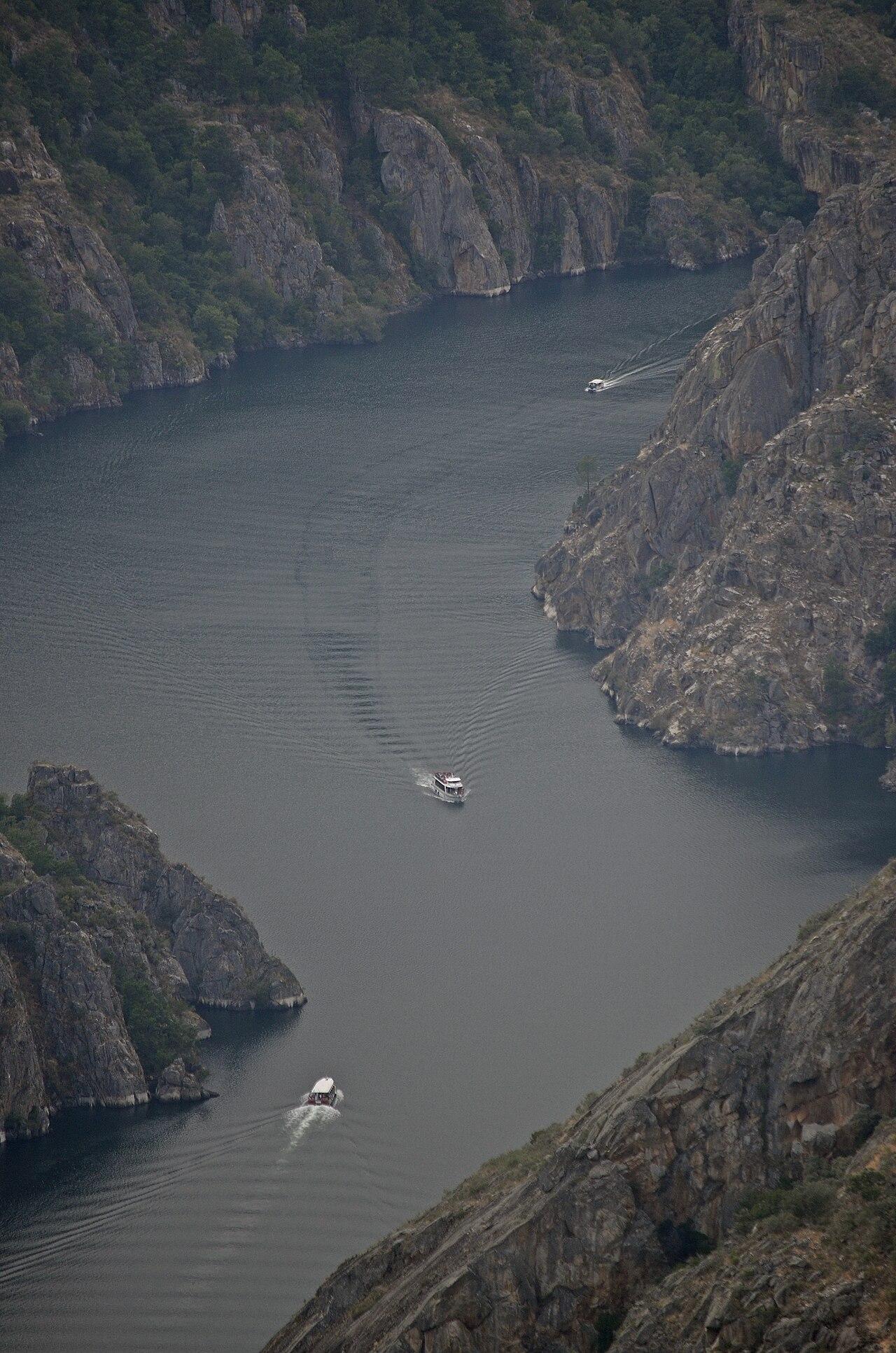
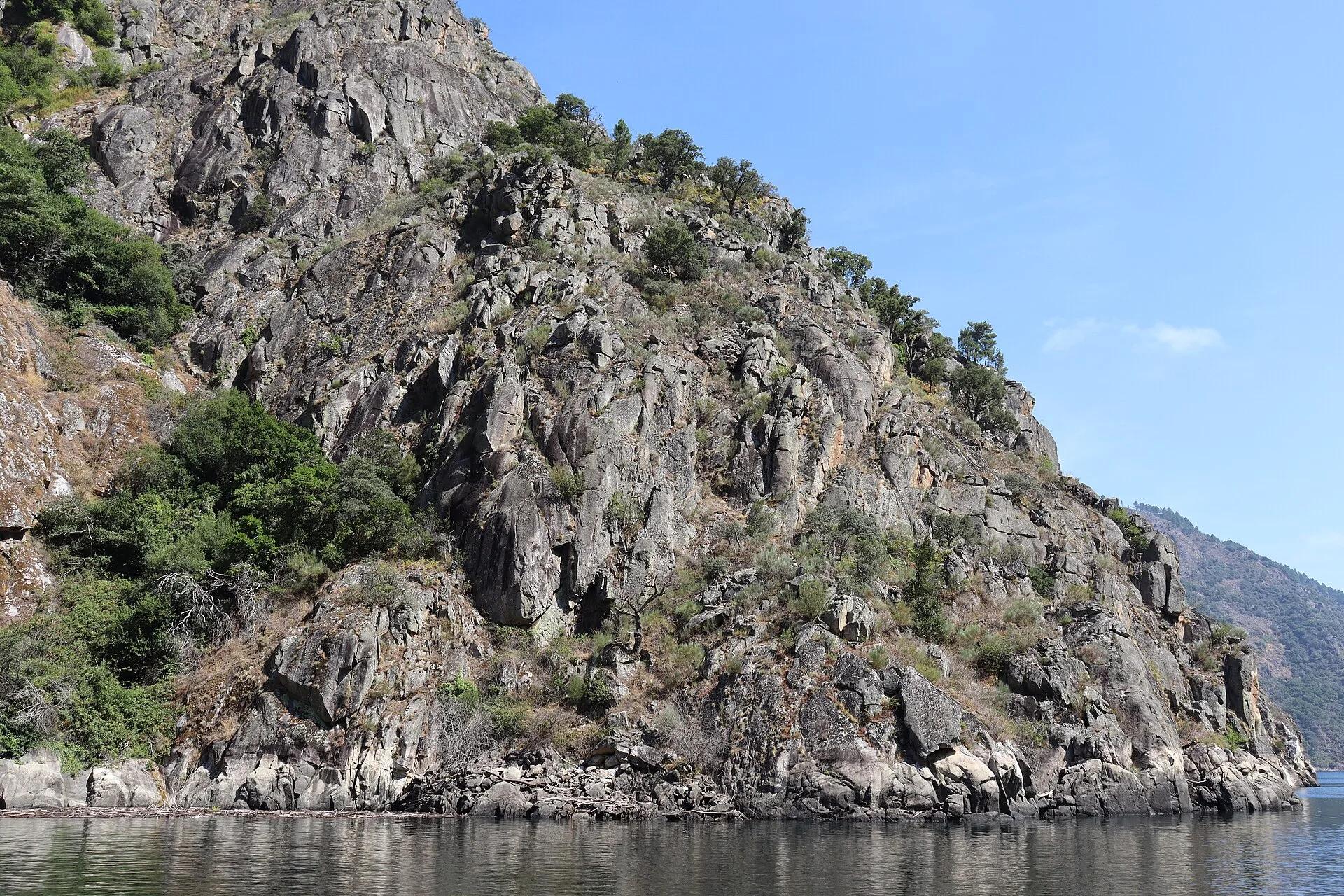
    Sailing along the river Sil is one of the usual ways to see the Sil canyon in the Ribeira Sacra, where the gorges reach 500 metres in depth. The Ribeira Sacra tourism consortium lists several operators, among them the Deputación de Lugo, sailing from piers such as Abeleda, Ponte do Sil, Os Chancís and Santo Estevo, with trips of about one to two hours.

    Checked 3 Nov 2026

    View activity
  • Robot8A / Wikimedia Commons, CC BY-SA 4.0

    Canoeing · With a guide or on your own

    Canoeing on the River Deva

    Lower River Deva, Ribadedeva and the Peñamelleras (eastern Asturias).

    The Deva, in the far east of Asturias, is one of the rivers Turismo Asturias recommends as an alternative to the Sella for a calm family canoe trip, with no previous experience required. A company based in Ribadedeva runs canoe descents here, as well as rafting, canyoning and a small multi-adventure park for children.

    Checked 6 Nov 2026

    View activity
  • Basotxerri / Wikimedia Commons, CC BY-SA 4.0

    Canyoning

    Canyoning in Galicia: Pozas de Melón and the Xallas

    The Pozas de Melón, and the river Xallas, which reaches the sea at O Ézaro (Dumbría, A Coruña). · A Coruña

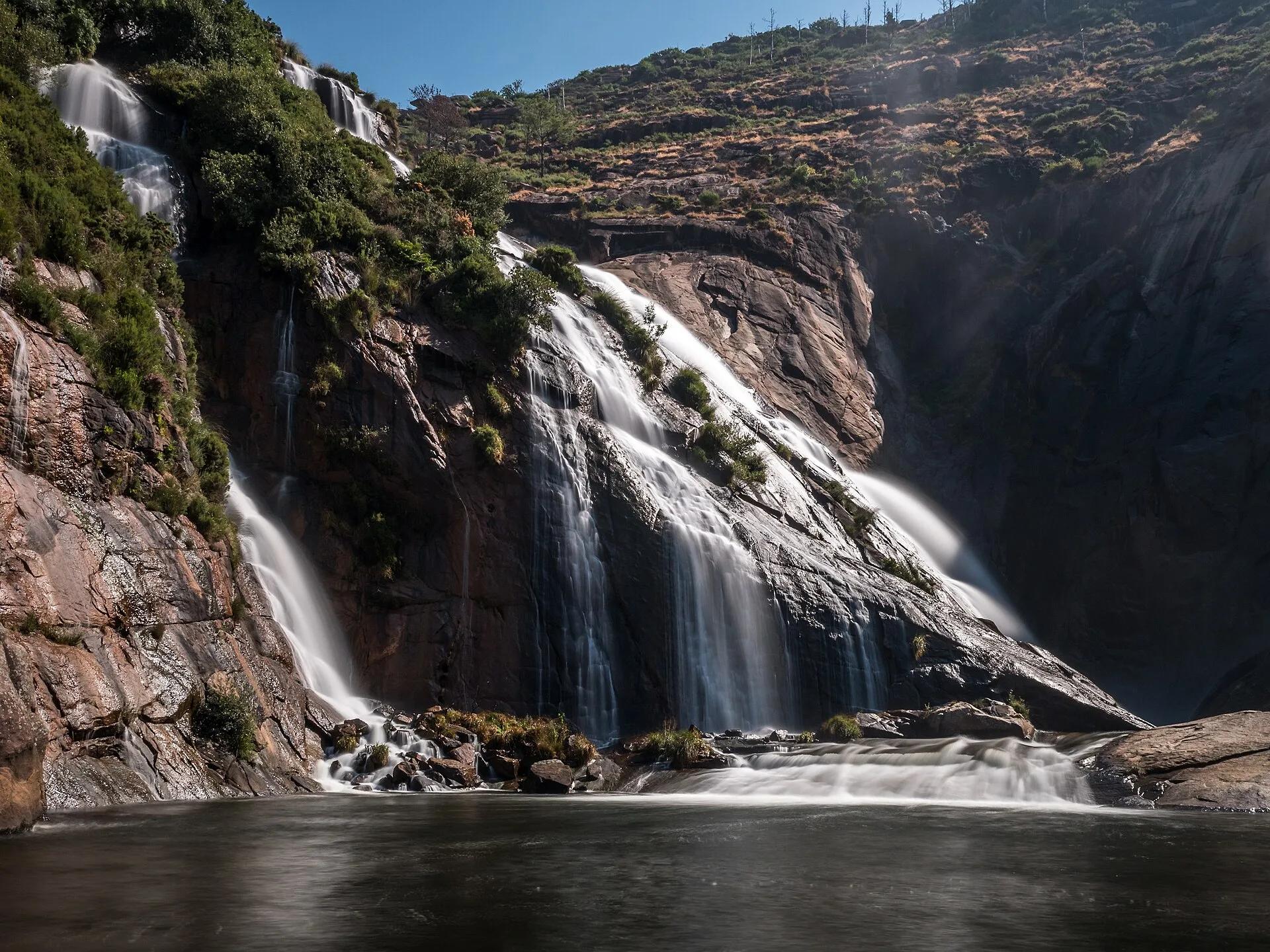
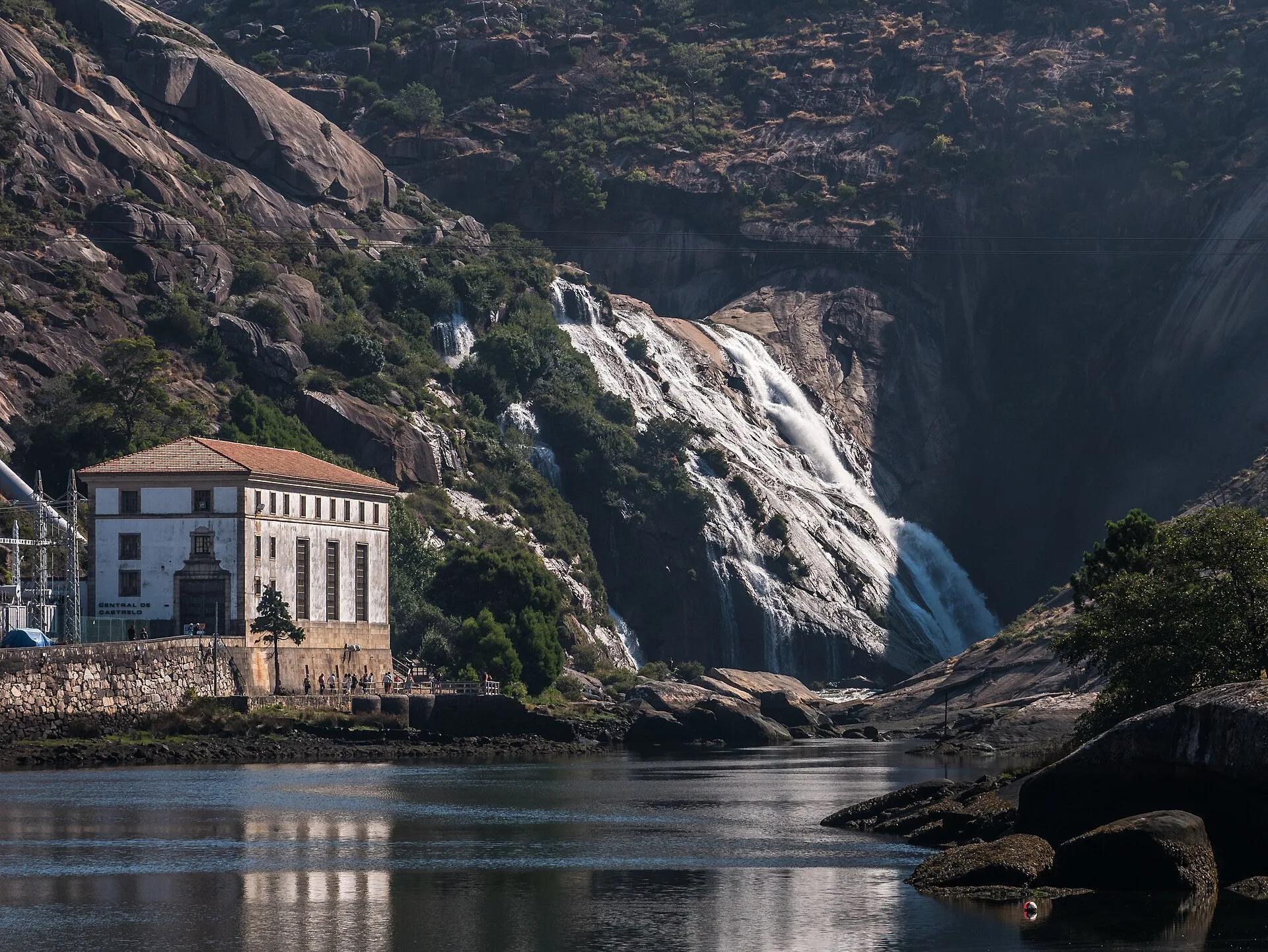
    Turismo de Galicia describes canyoning as descending the upper course of a river on foot, with jumps, swimming and abseils along the way, and names the Cerves and the Xallas among the good places for it in Galicia. It gives the Pozas de Melón as an example of a low-difficulty canyon that families can enjoy, while the canyon of the Xallas is for professionals. The Xallas ends by falling straight into the sea at O Ézaro, in Dumbría.

    Checked 3 Nov 2026

    View activity
  • Falk2 / Wikimedia Commons, CC BY-SA 4.0

    Canyoning · With a guide

    Family canyoning in the Buró canyon, Cabrales

    Buró canyon, near Arenas de Cabrales (eastern Asturias). · Asturias

    Most Asturian canyons require a minimum age of about 12, but Turismo Asturias points to the Buró, very close to Arenas de Cabrales, as a family canyon that children can do from the age of six. It describes canyoning here as a natural water park of slides and jumps, a mix of walking, swimming and climbing, always with an active-tourism company.

    Checked 6 Nov 2026

    View activity
  • Fernando Losada Rodríguez / Wikimedia Commons, CC BY-SA 4.0

    Kayaking · With a guide or on your own

    Kayaking and paddleboarding on the Sil and Miño (Ribeira Sacra)

    Rivers Sil and Miño in the Ribeira Sacra (provinces of Lugo and Ourense). · Ourense

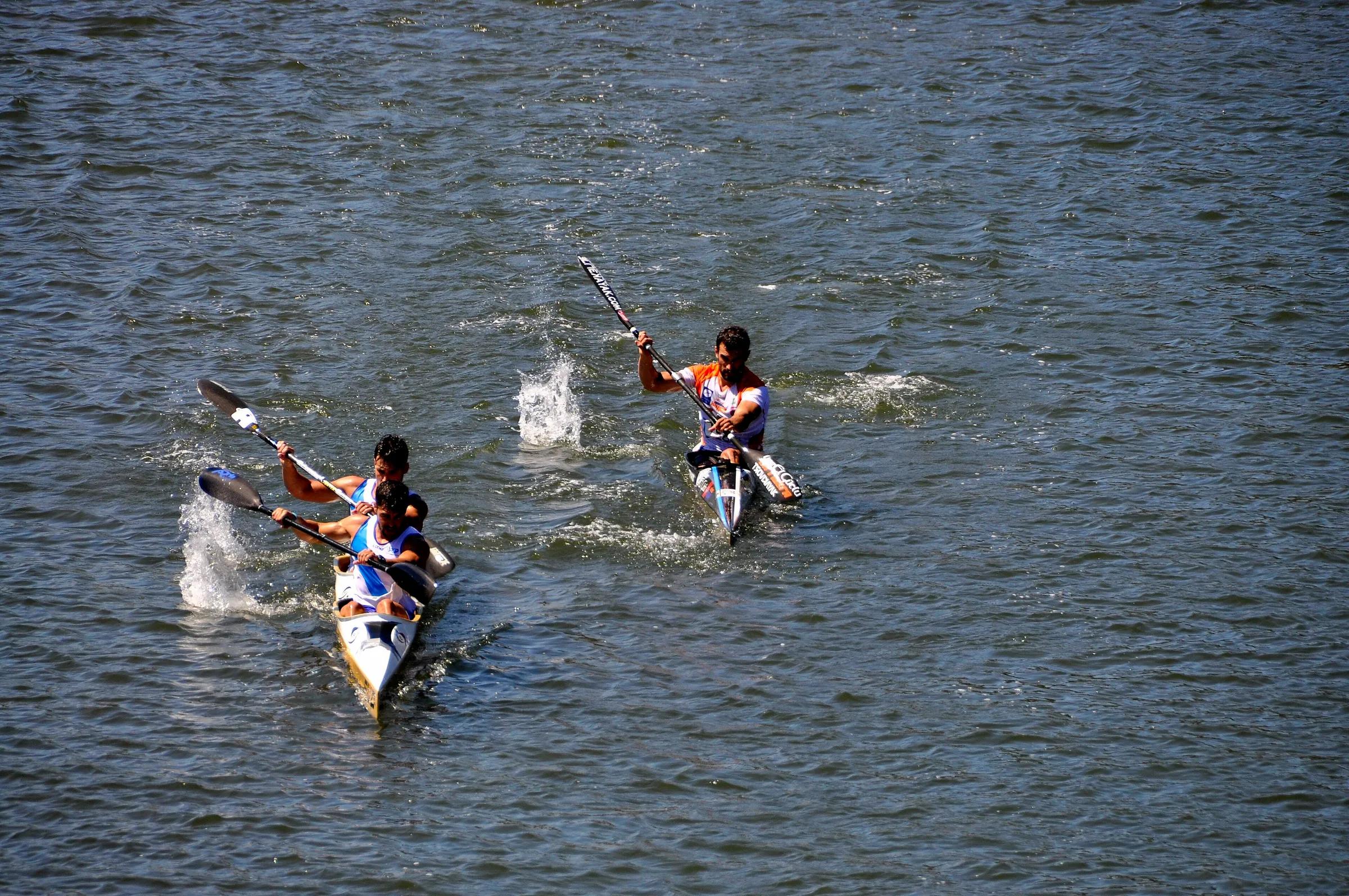
    Besides the catamaran trips, the Ribeira Sacra tourism consortium notes that the Sil and Miño rivers can be paddled by kayak, stand-up paddleboard or pedal boat. It lists the companies that offer these services and their starting points, and active-tourism firms also run kayak trips, traditional-boat outings and paddleboarding on the Miño.

    Checked 3 Nov 2026

    View activity
  • Luis Rogelio HM / Wikimedia Commons, CC BY-SA 2.0

    Kayaking · With a guide

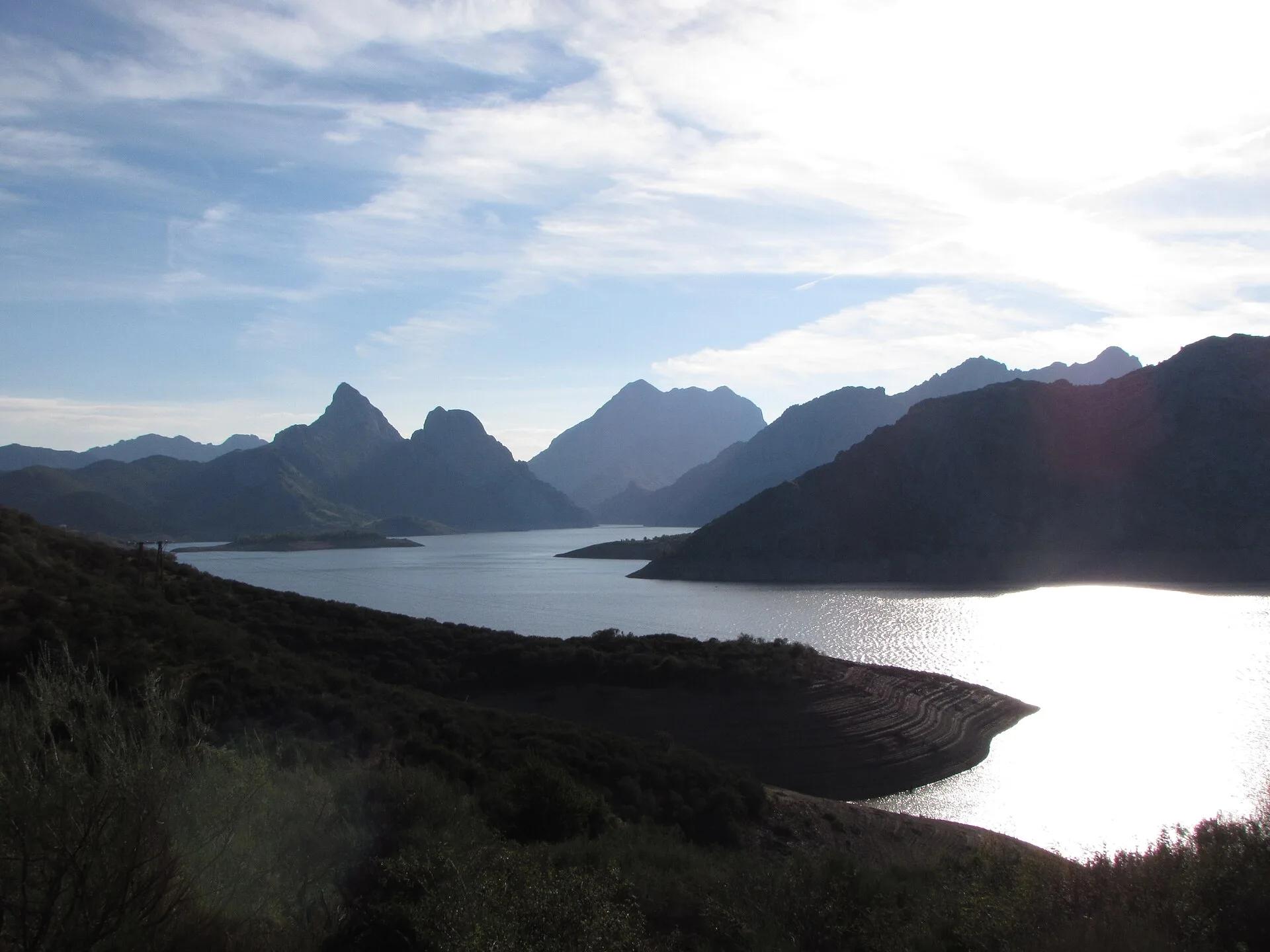
    Kayaking on the Riaño reservoir

    Riaño reservoir, from the marina (puerto deportivo) at Riaño, in the Cantabrian Mountains of north-east León. · León

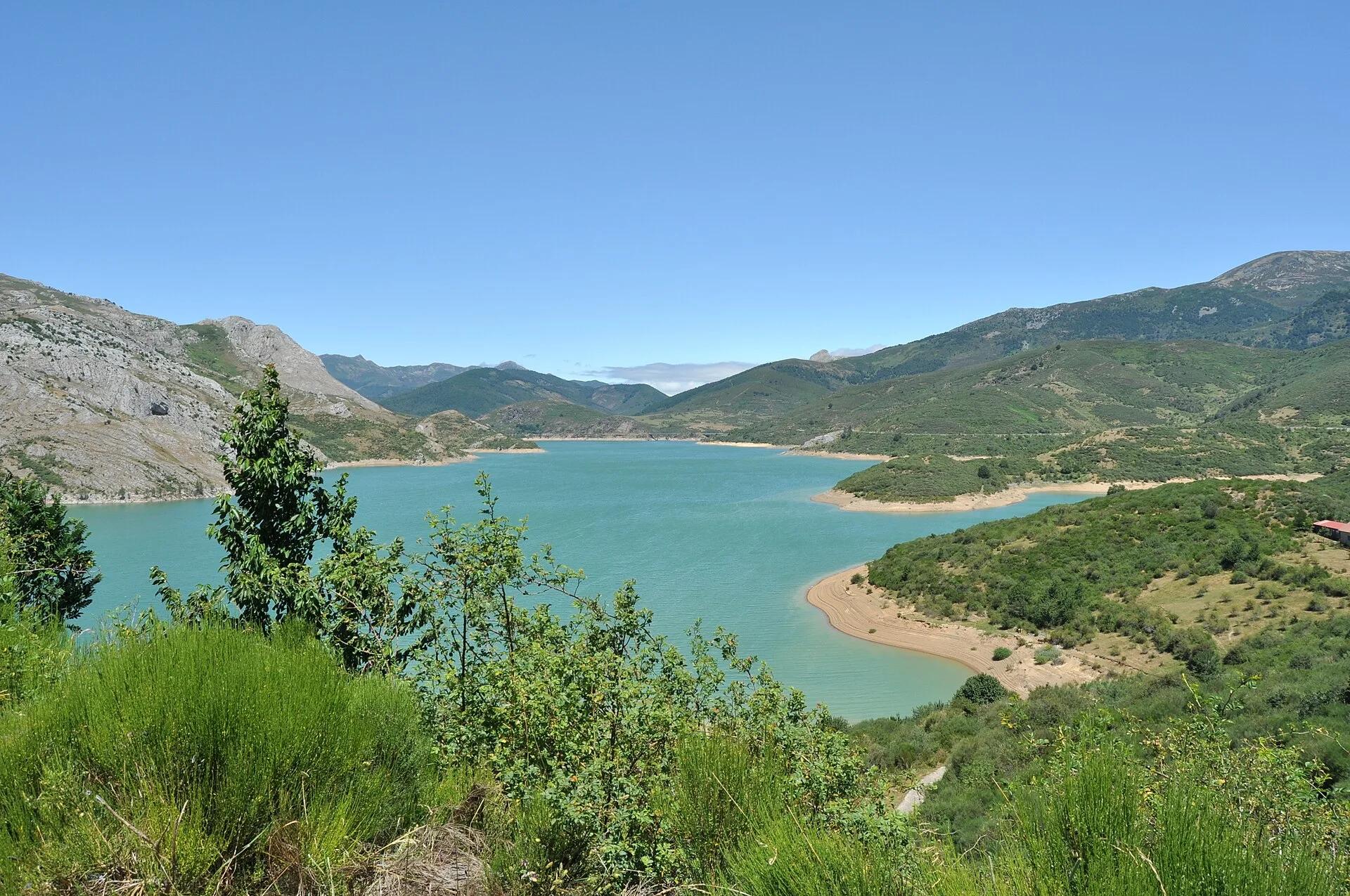
    The regional tourism portal suggests sailing or kayaking on the Riaño reservoir among the outdoor options in León province. At the Riaño marina swimming in the reservoir is authorised and adventure companies organise kayak routes, with pedal boats and paddle-surf also on offer, according to Diario de León. The Montaña de Riaño destination site lists kayaking, canoeing and boat trips among the area's activities.

    Checked 3 Nov 2026

    View activity

Sea & coastTop 1040 results

  • Marta Gonzalez / Wikimedia Commons, public domain

    Surfing · With a guide or on your own

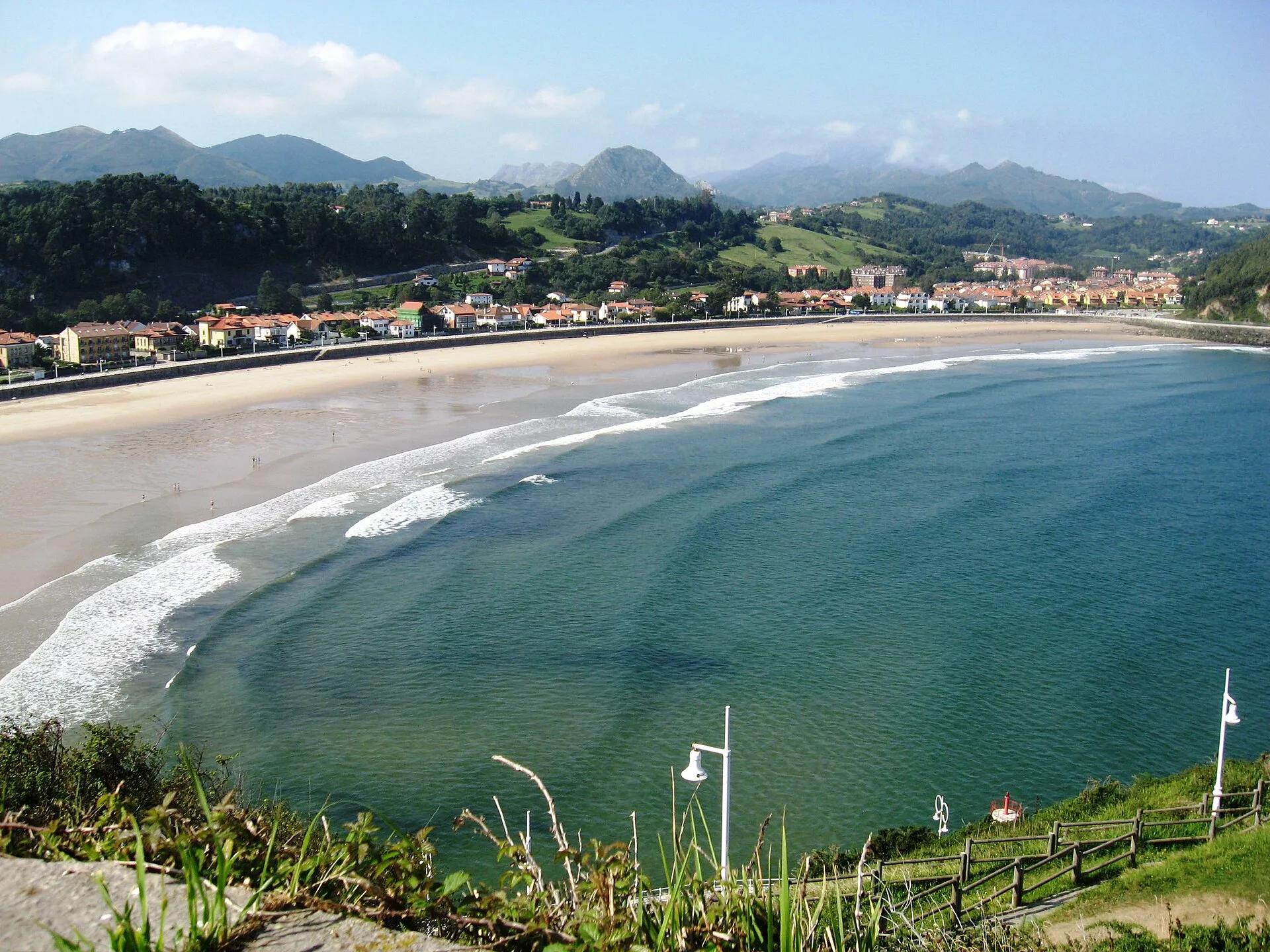
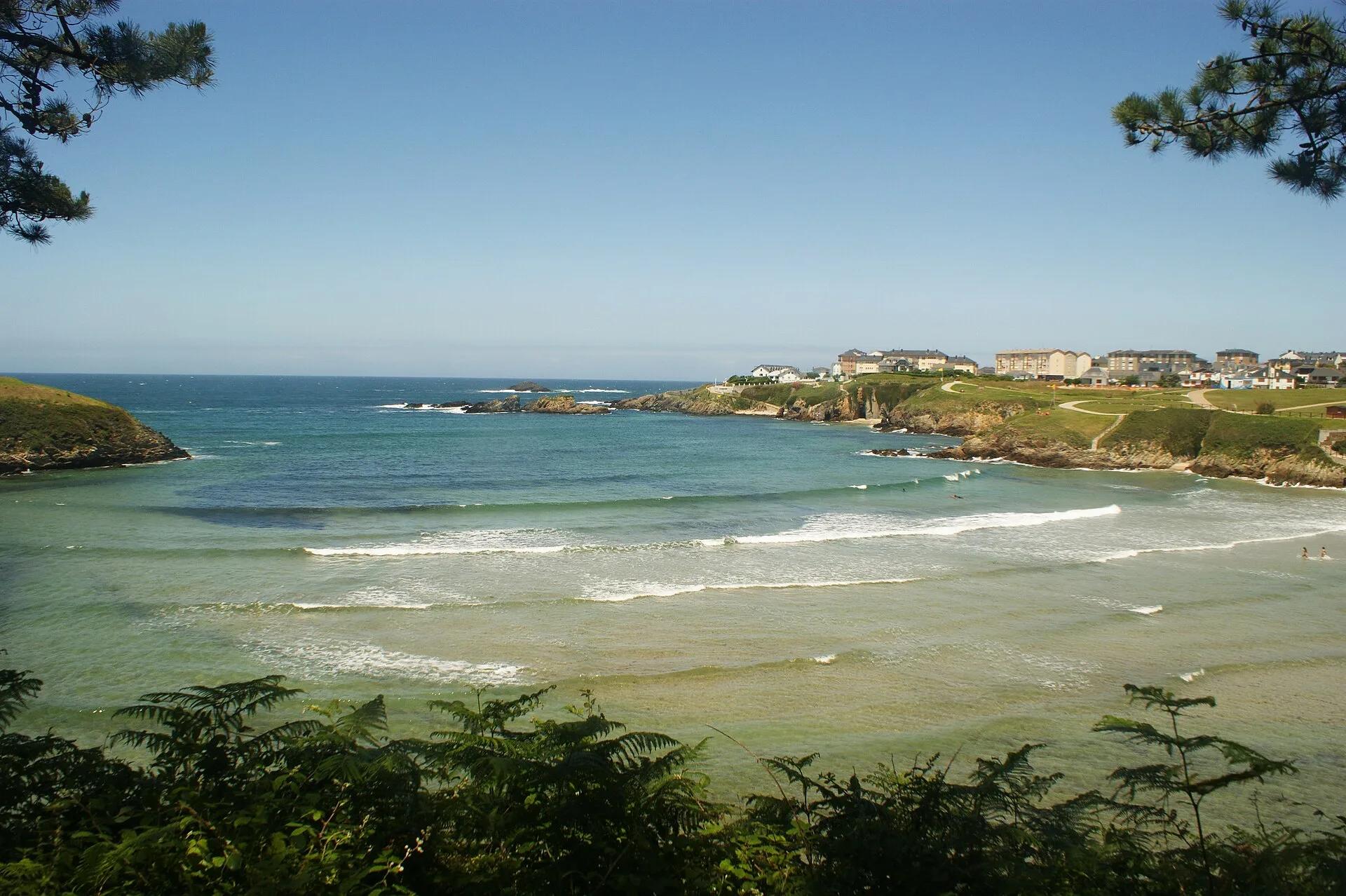
    Surfing at Penarronda beach

    Penarronda beach, between Barres (Castropol) and Santa Gadía (Tapia de Casariego), western coast. · Asturias

    • Natural monument
    • UNESCO Biosphere Reserve

    Penarronda is a long shell-shaped beach split by a stream, with the round rock that gives it its name in the middle; it is shared by Castropol (Barres) and Tapia de Casariego (Santa Gadía). Turismo Asturias describes it as windy and with strong swell, perfect for surfing. It is a Natural Monument, the only Asturian site of the endangered sea stock, and lies within the Río Eo, Oscos and Terras de Burón Biosphere Reserve.

    Checked 6 Nov 2026

    View activity
  • mandoft from El Campello (Alicante), Spain / Wikimedia Commons, CC BY-SA 2.0

    Surfing · With a guide or on your own

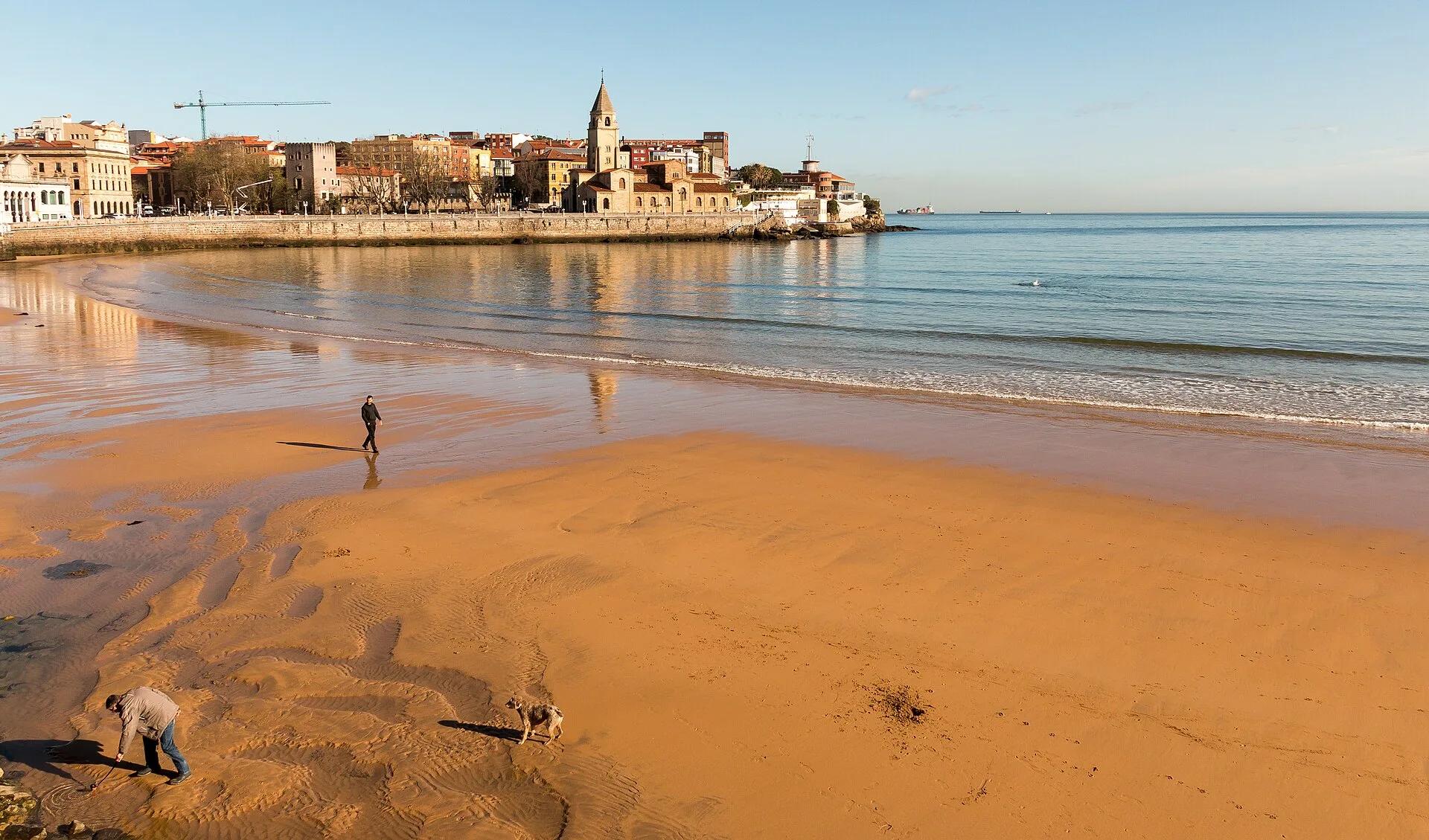
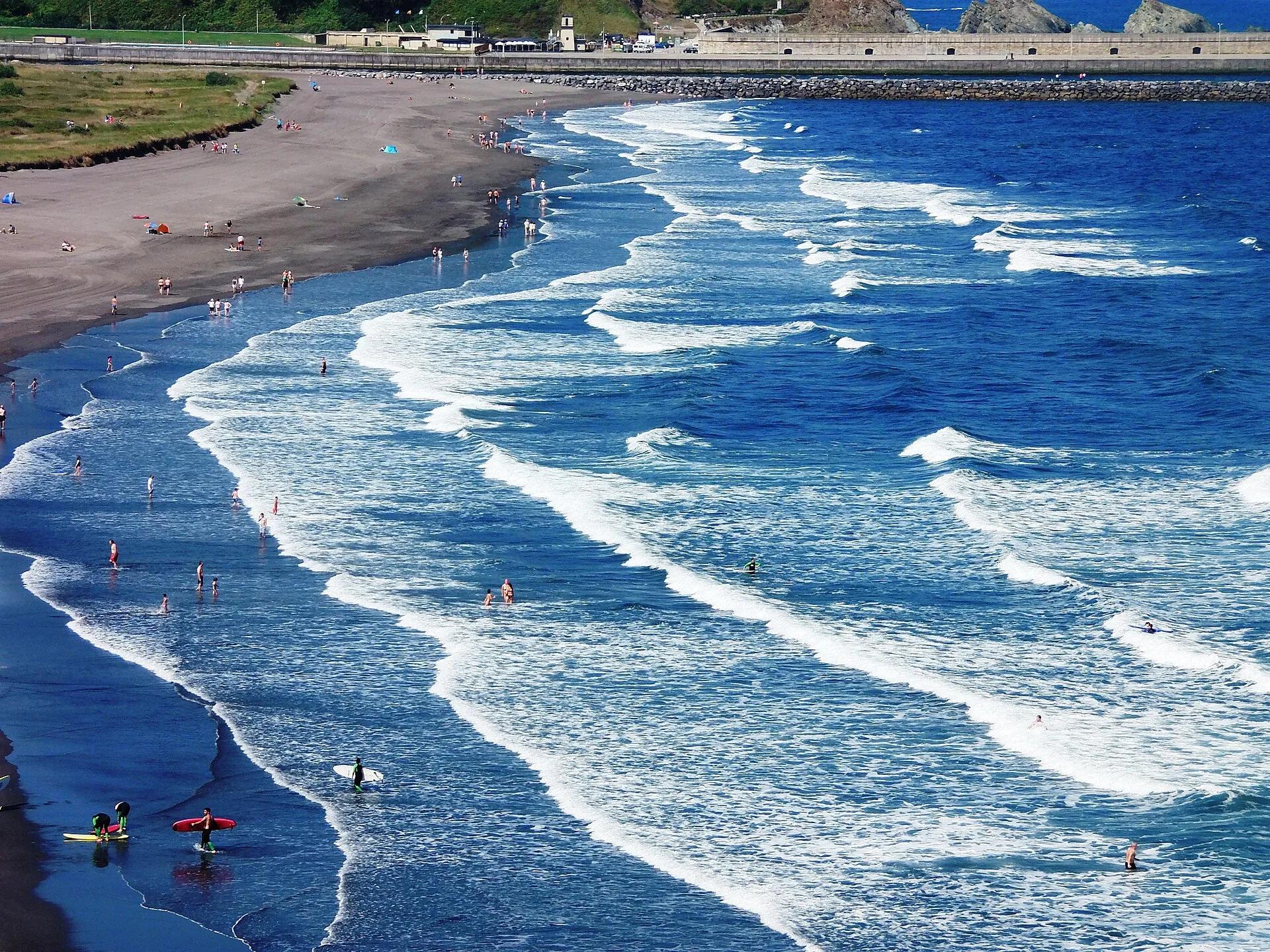
    Surfing at San Lorenzo beach, Gijón

    San Lorenzo beach, Gijón/Xixón. · Asturias

    • A tourism-board highlight

    San Lorenzo is the town beach of Gijón: a kilometre and a half of golden sand in the bay between the Santa Catalina headland and the mouth of the Piles, with a promenade of almost three kilometres. Turismo Asturias names it among the beaches where beginners can start when the sea allows, and as the place to combine surfing with a city break. Surf schools work a few steps from the sand.

    Checked 6 Nov 2026

    View activity
  • Malenaban / Wikimedia Commons, CC BY-SA 4.0

    Surfing · With a guide or on your own

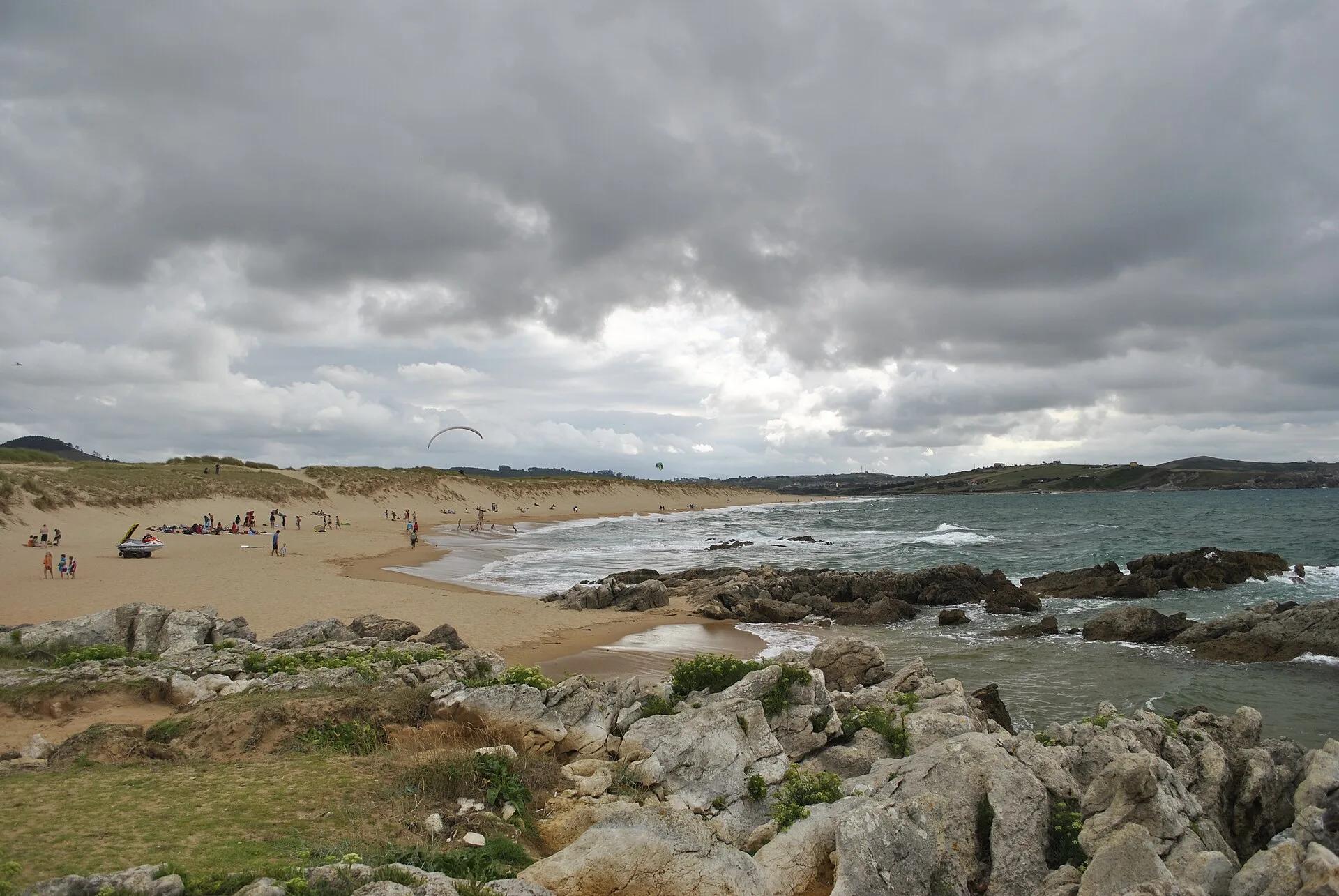
    Surfing among the Liencres dunes

    Valdearenas and Canallave beaches, Liencres (Piélagos), about 15 km west of Santander. · Cantabria

    • Natural park

    Canallave and Valdearenas beaches lie inside the Dunas de Liencres Natural Park, which Turespaña calls an exceptionally beautiful setting for surfing. Valdearenas, the longest beach in Piélagos at 2.8 km, faces the open sea with dunes running down to the sand and a marked surf area. The council lists a surf school in Liencres and summer surf and bodyboard courses.

    Checked 6 Nov 2026

    View activity
  • Triedros / Wikimedia Commons, CC BY-SA 4.0

    Surfing · With a guide or on your own

    Surfing at Frexulfe beach, Navia

    Frexulfe (Frejulfe) beach, Navia, western coast. · Asturias

    • Natural monument

    Frexulfe is a long, north-facing beach between Navia and Puerto de Vega, with dunes held by a pine wood, and is protected as a Natural Monument. Turismo Asturias warns of its strong swell and recommends bathing only at the eastern end, where a stream reaches the sea. A surf school based on the beach teaches all levels in small groups.

    Checked 6 Nov 2026

    View activity
  • Einaz80 / Wikimedia Commons, CC BY-SA 4.0

    Surfing · With a guide or on your own

    Surfing at San Antolín beach, Llanes

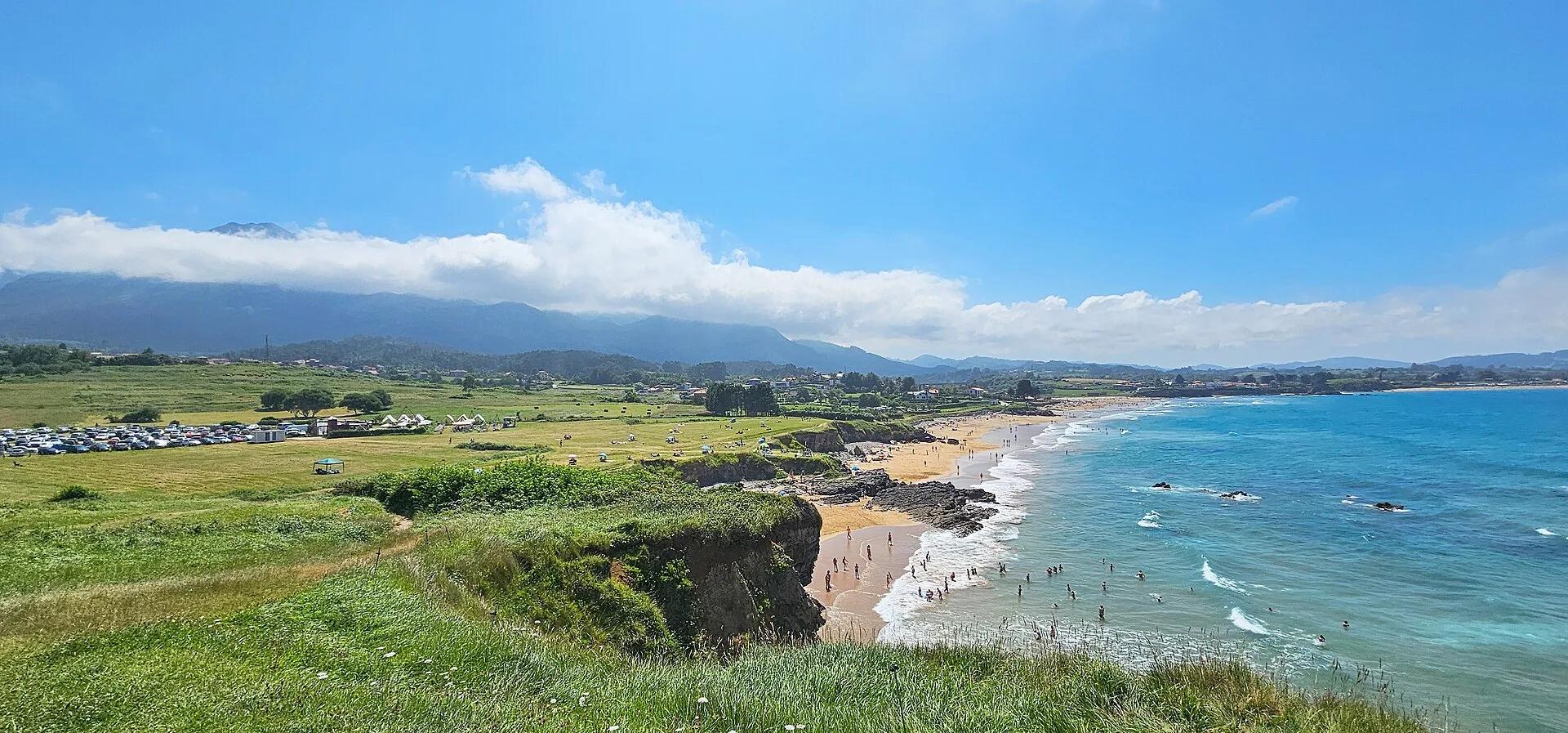
    San Antolín beach, near Naves, Llanes (eastern coast). · Asturias

    • Site of cultural interest

    San Antolín is the largest beach in the municipality of Llanes, a long stretch of white sand at the mouth of the Bedón beside the Romanesque church of San Antolín de Bedón. Turismo Asturias describes it as exposed to strong swell, considered dangerous for bathing, and much used by surfers. It is a short drive from the A-8 and has a large car park by a viewpoint.

    Checked 6 Nov 2026

    View activity
  • Nicola / Wikimedia Commons, CC BY-SA 3.0

    Surfing · With a guide or on your own

    Surfing at Santa Marina beach, Ribadesella

    Santa Marina beach, Ribadesella/Ribeseya; some schools also use nearby Vega beach. · Asturias

    • Natural monument

    Santa Marina is Ribadesella's main beach, about a kilometre of sand at the mouth of the Sella, backed by a promenade lined with modernist and indiano villas. Turismo Asturias notes that it usually has plenty of swell, which draws surfers, and that several schools teach here; dinosaur footprints have been found at its western end. One local school traces surfing in Ribadesella back to the first boards brought here in 1971.

    Checked 6 Nov 2026

    View activity
  • Carlos Ramón Bonilla… / Wikimedia Commons, CC BY-SA 3.0

    Surfing · With a guide or on your own

    Surfing at El Sardinero, Santander

    Primera and Segunda Playa de El Sardinero, Santander. · Cantabria

    • Site of cultural interest

    Santander's tourist office says the Segunda Playa de El Sardinero was the first place in Spain where anyone surfed. The city beaches remain popular with surfers, and several surf schools teach beginners here. It is an easy way to try the sport without leaving the city.

    Checked 6 Nov 2026

    View activity
  • San Dta / Wikimedia Commons, CC0

    Surfing

    Surfing at Pantín and Doniños (Costa das Ondas)

    Pantín beach (Valdoviño) and Doniños beach (Ferrol), on the Atlantic coast north of Ferrol, province of A Coruña. · A Coruña

    • Site of cultural interest

    Pantín in Valdoviño and Doniños in Ferrol are the best-known surf beaches of the Costa das Ondas, the open-sea coast of Ferrolterra. Turismo de Galicia describes Pantín as a horseshoe-shaped beach open to swells from all sides, with eight authorised surf schools, and it hosts the Pantín Classic championship at the end of summer. Doniños is a beach of about 2 km in a setting of dunes, pine trees and a lagoon, with many peaks.

    Checked 3 Nov 2026

    View activity
  • San Dta / Wikimedia Commons, CC0

    Surfing

    Surfing at Salinas beach

    Salinas beach, Castrillón, on the central Asturian coast; the beach joins the beach of San Juan. · Asturias

    The regional tourism board calls Salinas, in Castrillón, a meeting point for surfers of all levels and a destination for those who want to start surfing or keep improving. Together with the neighbouring beach of San Juan it forms some three kilometres of golden-sand dunes, with moderate waves. Turismo Asturias names Salinas among the beaches with favourable conditions for beginners when the sea allows, and notes that surf schools along the coast offer lessons and rent boards and wetsuits.

    Checked 3 Nov 2026

    View activity
  • marta gonzalez / Wikimedia Commons, public domain

    Surfing

    Surfing in Tapia de Casariego

    Tapia de Casariego, western Asturias: the town beach of Anguileiro (Los Campos and La Ribeira) and the surrounding beaches. · Asturias

    Turismo Asturias describes Tapia de Casariego, in western Asturias, as one of the main references for surfing in the region, with waves known in Spain and abroad and competitions every year. The town beach of Anguileiro is the stretch of coast preferred by surfers and hosts an international competition each Easter. The tourism board places some Tapia peaks at an intermediate level and others among the breaks suited to experienced surfers when the right swell arrives.

    Checked 3 Nov 2026

    View activity

Snow & winterTop 1013 results

  • Skiing · With a guide

    Snowshoeing in the Picos de Europa

    Picos de Europa National Park (Asturian side): Cangas de Onís, Onís, Cabrales, Lakes of Covadonga. · Asturias

    • UNESCO Biosphere Reserve
    • National park

    In winter the Asturian side of the Picos de Europa National Park, around Cangas de Onís, Onís and Cabrales and up towards the Lakes of Covadonga, becomes snowshoe country. Turismo Asturias' directory lists more than twenty active-tourism companies offering snowshoe excursions across Asturias, and many of them work in the Picos, including mountain-guide firms based in Cangas de Onís, Onís and Cabrales.

    Checked 6 Nov 2026

    View activity
  • Joaquinceb / Wikimedia Commons, public domain

    Skiing · With a guide

    Ski touring in the Picos de Europa and Las Ubiñas

    Picos de Europa and Las Ubiñas-La Mesa Natural Park (Lena, Quirós, Teverga). · Asturias

    • UNESCO Biosphere Reserve

    For experienced skiers, the Cantabrian Mountains offer ski mountaineering away from the lifts. An Oviedo-based mountain guide listed by Turismo Asturias runs guided ski touring and technical courses in the Picos de Europa and the Las Ubiñas-La Mesa massif, home to Peña Ubiña, the highest mountain in Asturias outside the Picos. To start closer to the lifts, Valgrande-Pajares has a marked ski-touring track.

    Checked 6 Nov 2026

    View activity
  • David Timbal / Wikimedia Commons, CC BY-SA 3.0

    Skiing · With a guide

    Snowshoeing in the Redes Natural Park

    Redes Natural Park, Caso and Sobrescobio (central-eastern Asturias). · Asturias

    • UNESCO Biosphere Reserve

    Redes, in the upper Nalón valley, was declared a natural park in 1996 and a UNESCO Biosphere Reserve in 2001: beech woods, glacial cirques and moraines and summits such as the Tiatordos and La Rapainal, at 2,002 metres the park's highest point. In winter, local mountain-guide companies from Caso lead snowshoe outings here, among them one specialised in guiding blind and partially sighted people.

    Checked 6 Nov 2026

    View activity
  • Skiing · With a guide or on your own

    Snowshoeing in the Fuentes del Narcea, Degaña and Ibias Natural Park

    Fuentes del Narcea, Degaña and Ibias Natural Park; operator based in Cangas del Narcea. · Asturias

    • UNESCO Biosphere Reserve

    This 555-square-kilometre park in south-western Asturias, a natural park since 2002 and a Biosphere Reserve since 2003, holds the Muniellos oak forest and the Hermo beech wood. A Cangas del Narcea company rents snowshoes in the snow season and offers both guided and self-guided routes, with mechanical and logistical back-up.

    Checked 6 Nov 2026

    View activity
  • Patisalva / Wikimedia Commons, CC BY-SA 4.0

    Skiing · With a guide or on your own

    Cross-country skiing, snowshoes and sledging at Valgrande-Pajares

    Valgrande-Pajares resort, Puerto de Pajares, Lena (Las Ubiñas-La Mesa area), off the N-630. · Asturias

    Beyond its downhill slopes, Valgrande-Pajares, the oldest ski resort in northern Spain, has two cross-country tracks, a ski-touring track and a dedicated sledging area, which suits families and groups. The resort's ski school, with more than 30 professionals, also offers snowshoe outings as well as skiing and snowboarding lessons.

    Checked 6 Nov 2026

    View activity
  • David Casado / Wikimedia Commons, CC BY-SA 2.0

    Skiing

    Skiing at Alto Campoo

    Hermandad de Campoo de Suso, 24 km from Reinosa, at the head of the Campoo valley. · Cantabria

    Alto Campoo is Cantabria's ski and mountain resort, set on summits above 2,000 metres at the head of the Campoo valley, 24 km from Reinosa. Its own site lists 23 runs (4 green, 10 blue and 9 red), cross-country skiing and a snowpark. For a first day on skis the resort suggests renting equipment and booking an instructor.

    Checked 3 Nov 2026

    View activity
  • User:Dantadd / Wikimedia Commons, public domain

    Skiing

    Skiing at Valgrande-Pajares

    At the Puerto de Pajares in the municipality of Lena, reached from both the Asturian and the León side via the N-630 road between Oviedo and León.

    Valgrande-Pajares is one of Asturias' two ski resorts, and the regional tourism board describes it as the oldest in northern Spain. Its ski area has 30.6 km of runs served by a gondola, chairlifts, drag lifts and conveyor belts, along with cross-country and ski-touring runs. The board presents it as a suitable place to take up winter sports, ideal for families and groups.

    Checked 3 Nov 2026

    View activity
  • Teofrasto820 / Wikimedia Commons, CC BY-SA 4.0

    Skiing · With a guide

    Snowshoeing in Aller, around Fuentes de Invierno

    Aller: Fuentes de Invierno area and the Vía de la Carisa (Central Mountains).

    The high mountains of Aller, in the Central Mountains of Asturias, are the setting of the Fuentes de Invierno ski resort, about 70 kilometres from Oviedo. An Aller-based mountain-guide company leads snowshoe outings here and along the Roman road of La Carisa, adapting each trip to the group's physical and technical level.

    Checked 6 Nov 2026

    View activity
  • Wikimedia Commons, public domain

    Skiing

    Skiing at San Isidro

    Puerto de San Isidro, Puebla de Lillo (León). From Boñar, the LE-331 leads towards Puebla de Lillo, and San Isidro lies about 15 km beyond it on the LE-332.

    San Isidro is an alpine ski resort in the Cantabrian Mountains in the north of León province, in the municipalities of Puebla de Lillo and Valdelugueros. The regional tourism portal gives skiable altitudes between 1,500 and 2,100 metres, with green, blue, red and black runs and two cross-country circuits; spain.info speaks of more than 34 km of skiable runs of different levels. The resort lists a ski school and equipment rental among its services.

    Checked 3 Nov 2026

    View activity
  • Skiing

    Skiing at Fuentes de Invierno

    In the municipality of Aller, in the Central Mountains of Asturias; equipment can be rented at the resort or in the village of Felechosa.

    Fuentes de Invierno is the younger of Asturias' two ski resorts. It has 8.7 km of skiable runs split into 15 pistes (3 green, 3 blue, 6 red and 3 black), served by five lifts, and the regional tourism board says it has runs for every level from beginner to expert. A Turismo Asturias blog post describes it as a small, family-friendly resort, with a conveyor lift suited to children and a snow park for children aged 3 to 6.

    Checked 3 Nov 2026

    View activity

Air & adventure parksTop 1014 results

  • Wamba Wambez / Wikimedia Commons, CC BY-SA 3.0

    Activity · With a guide

    Ziplines and the 'Bridge of the Clouds' at Vidosa, Los Beyos

    Vidosa, Desfiladero de Los Beyos, Ponga (Ponga Natural Park). · Asturias

    • UNESCO Biosphere Reserve
    • Natural park

    The multi-adventure park at Vidosa, in the Los Beyos gorge, has seven ziplines, some almost half a kilometre long and high above the ground, and a series of Tibetan bridges built of planks, logs and cables. The highlight is the 'Puente de las Nubes', about 80 metres long and 350 metres above the River Sella. Activities are open to adults and children, with equipment and instructors included.

    Checked 6 Nov 2026

    View activity
  • Óscar (xindilo/fotosderianxo) / Wikimedia Commons, CC BY-SA 2.0

    Activity

    Paragliding in Galicia: Ferrol, the Mariña Lucense and the Xistral

    Flying zones across Galicia, including Monte Ventoso (Ferrol, A Coruña), Monte Comado (Barreiros, Lugo), the Serra do Xistral (Terra Chá, Lugo) and Vixía Herbeira (Cedeira, A Coruña). · A Coruña

    • Site of cultural interest
    • UNESCO Biosphere Reserve

    Turismo de Galicia says paragliding can be done in several places in the region without previous experience, on tandem flights with a pilot, and lists flying zones that include the Mariña Lucense, Ferrol, A Coruña, Triacastela, Vimianzo, Chantada, Quiroga, A Rúa, Ourense and Baltar. Its blog describes tandem flights from the Monte Ventoso viewpoint in Ferrol towards the ocean, flights from a summit of the Serra do Xistral over the valley of O Viveiró, and a take-off at about 450 metres on Monte Comado in Barreiros. Flying the slopes of Vixía Herbeira in Cedeira is described as suitable only for the most experienced paragliders.

    Checked 3 Nov 2026

    View activity
  • Carlos Delgado / Wikimedia Commons, CC BY-SA 4.0

    Activity · On your own

    Fuente Dé cable car

    Fuente Dé, Camaleño (Liébana), at the head of the Deva valley. · Cantabria

    • National park

    Built in 1966 inside the Picos de Europa National Park, the cable car climbs 753 m in about four minutes to an upper station at 1,823 m. Its two cabins carry up to 20 people each, and the Mirador del Cable at the top looks out over the Liébana mountains. CANTUR runs it all year apart from a maintenance stop, usually in January.

    Checked 6 Nov 2026

    View activity
  • Luis Miguel Bugallo Sánchez (Lmbuga) / Wikimedia Commons, CC BY-SA 3.0

    Activity · With a guide or on your own

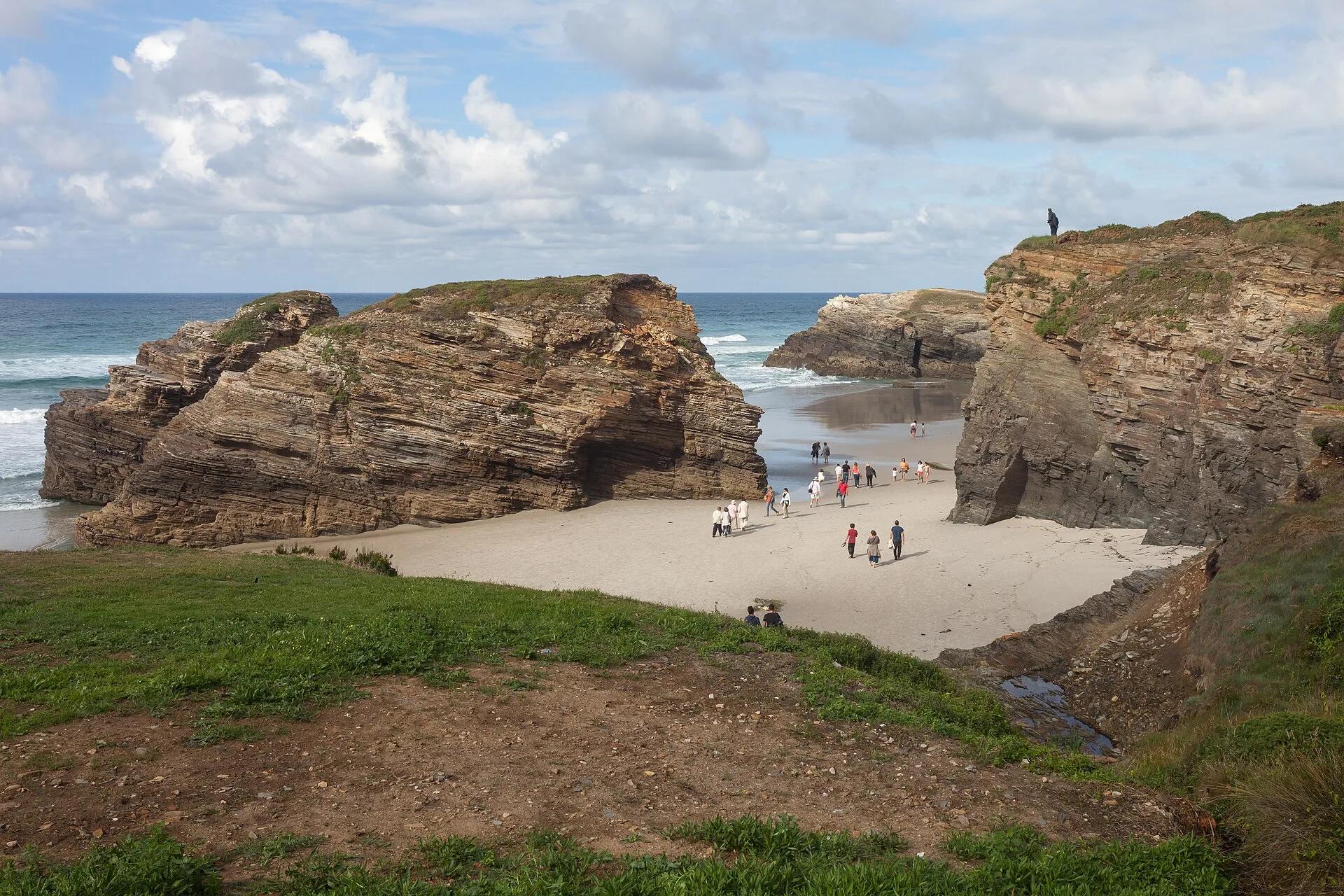
    Praia das Catedrais at low tide (free permit in summer and Easter)

    Praia das Catedrais, between Barreiros and Ribadeo, A Mariña coast (Lugo). · Lugo

    • Natural monument

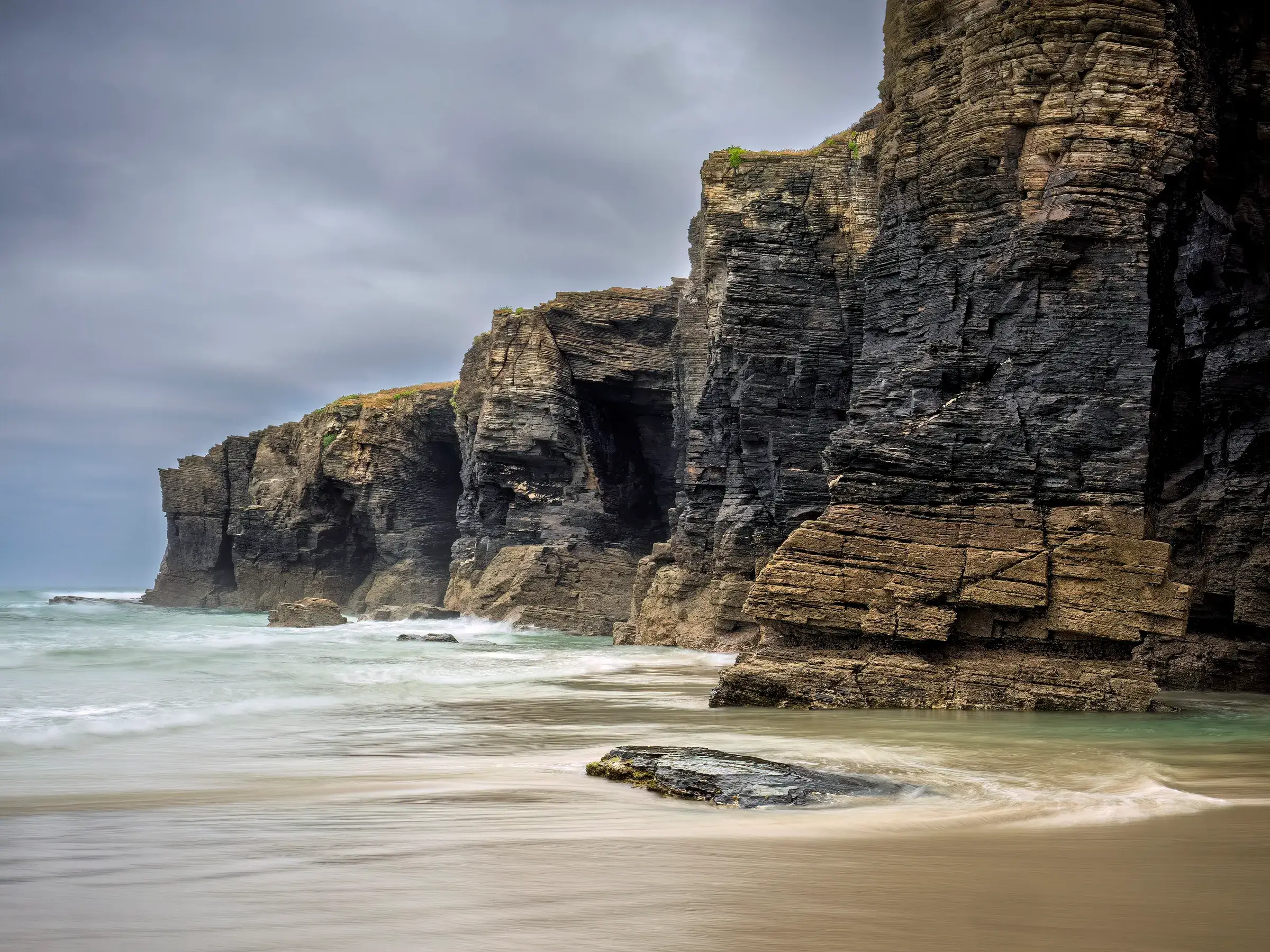
    Between the beaches of Augasantas and Carricelas the sea has carved the cliffs into arches, columns and vaults, protected as the A Praia das Catedrais Natural Monument. You can only walk on the sand at low tide; at high tide the beach is seen from the clifftop path with information panels. During Easter Week and from 1 July to 30 September entry to the beach needs a free authorisation from the Xunta de Galicia, which also offers free guided visits.

    Checked 6 Nov 2026

    View activity
  • Luis Miguel Bugallo Sánchez / Wikimedia Commons, CC BY-SA 3.0

    Activity · On your own

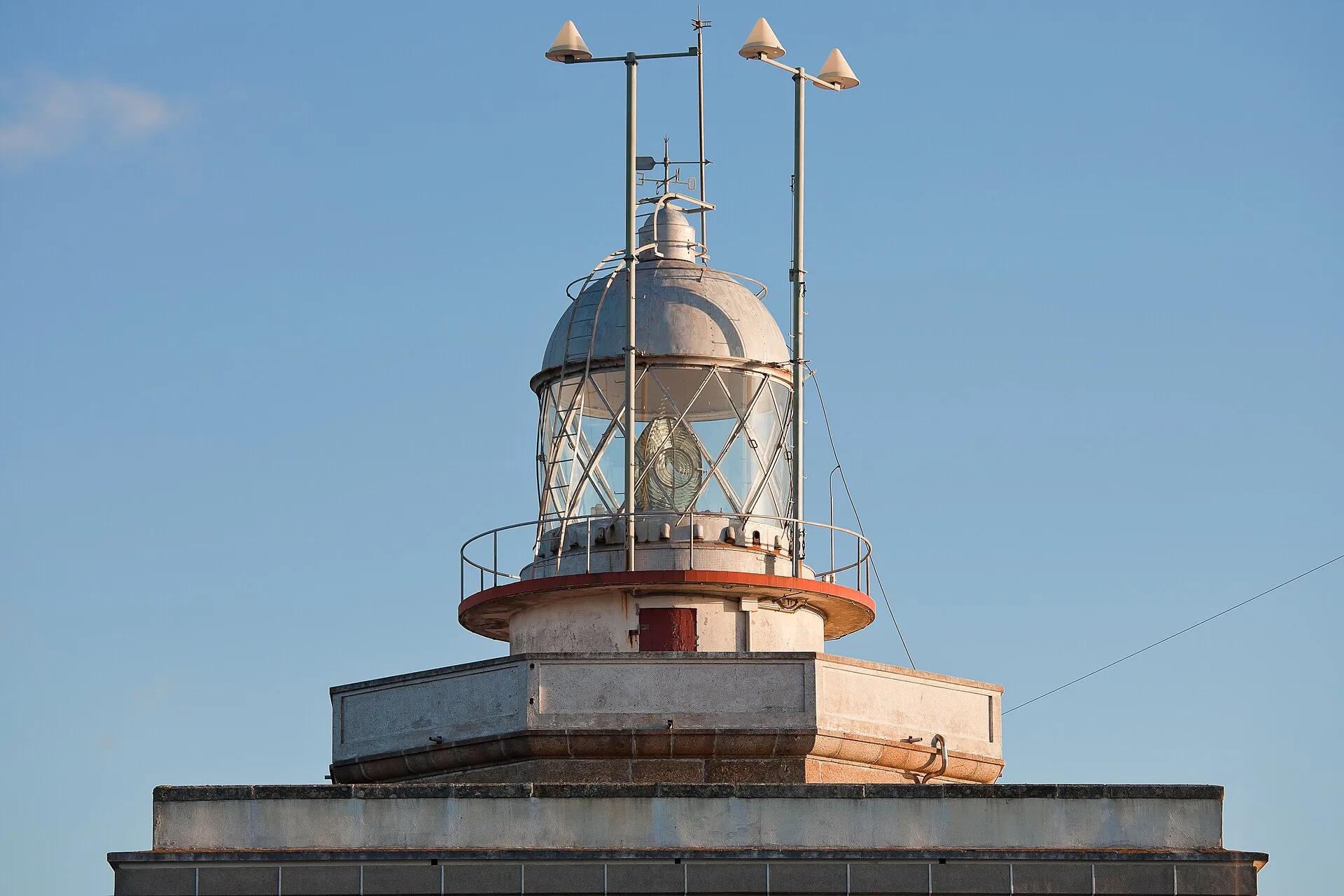
    Cabo Fisterra lighthouse and sunset

    Cabo Fisterra, reached from the town of Fisterra by the C-550 (A Coruña). · A Coruña

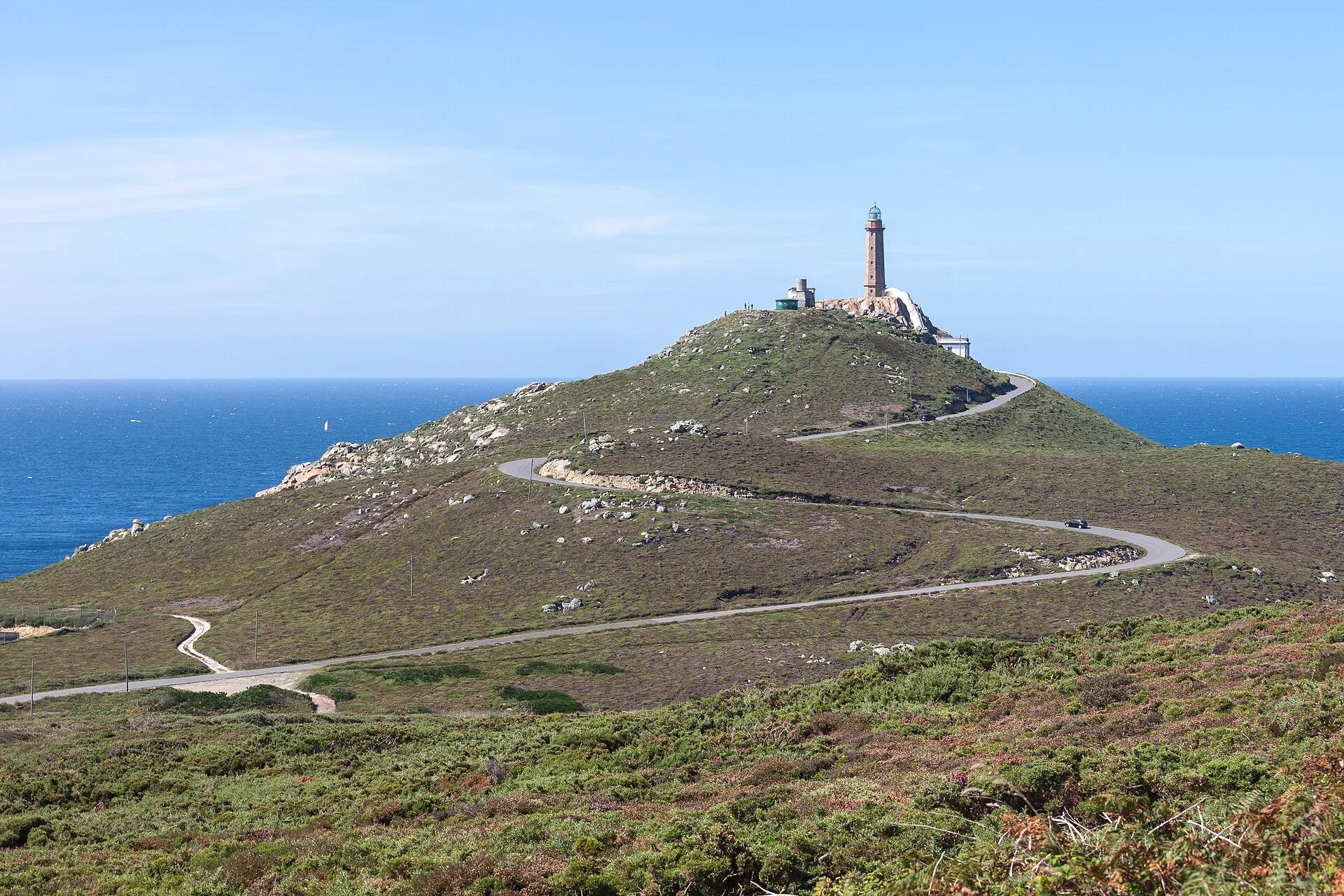
    The lighthouse on Cabo Fisterra dates from 1853 and stands about 138 m above the sea; Turismo de Galicia describes it as the westernmost lighthouse in Europe and probably the most visited. Its light can be seen up to 65 km away. Turismo de Galicia presents the cape as the end of the Way of St James, and the sunset from the lighthouse lookout as one of its great attractions.

    Checked 6 Nov 2026

    View activity
  • Enrique Amigo / Wikimedia Commons, CC BY-SA 4.0

    Activity · With a guide

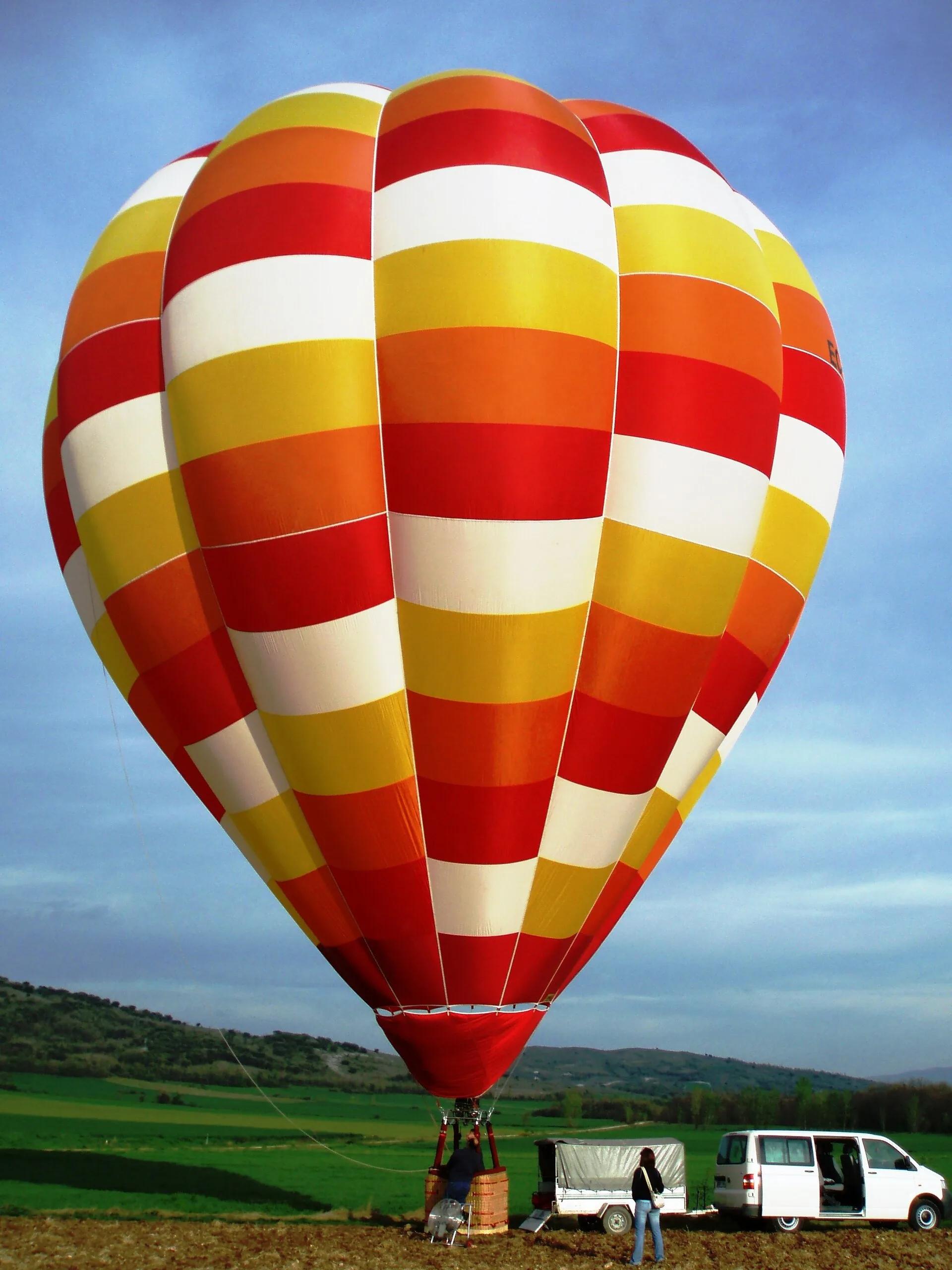
    Hot-air balloon flights in Las Merindades

    Las Merindades, northern Burgos (Montes Obarenes and Valle de Tobalina area). · Burgos

    The official Las Merindades tourism site lists two companies offering hot-air balloon flights in the area, one of them based in Pangusión and linked to the Montes Obarenes and the Valle de Tobalina.

    Checked 6 Nov 2026

    View activity
  • Coralma* / Wikimedia Commons, CC0

    Activity · With a guide or on your own

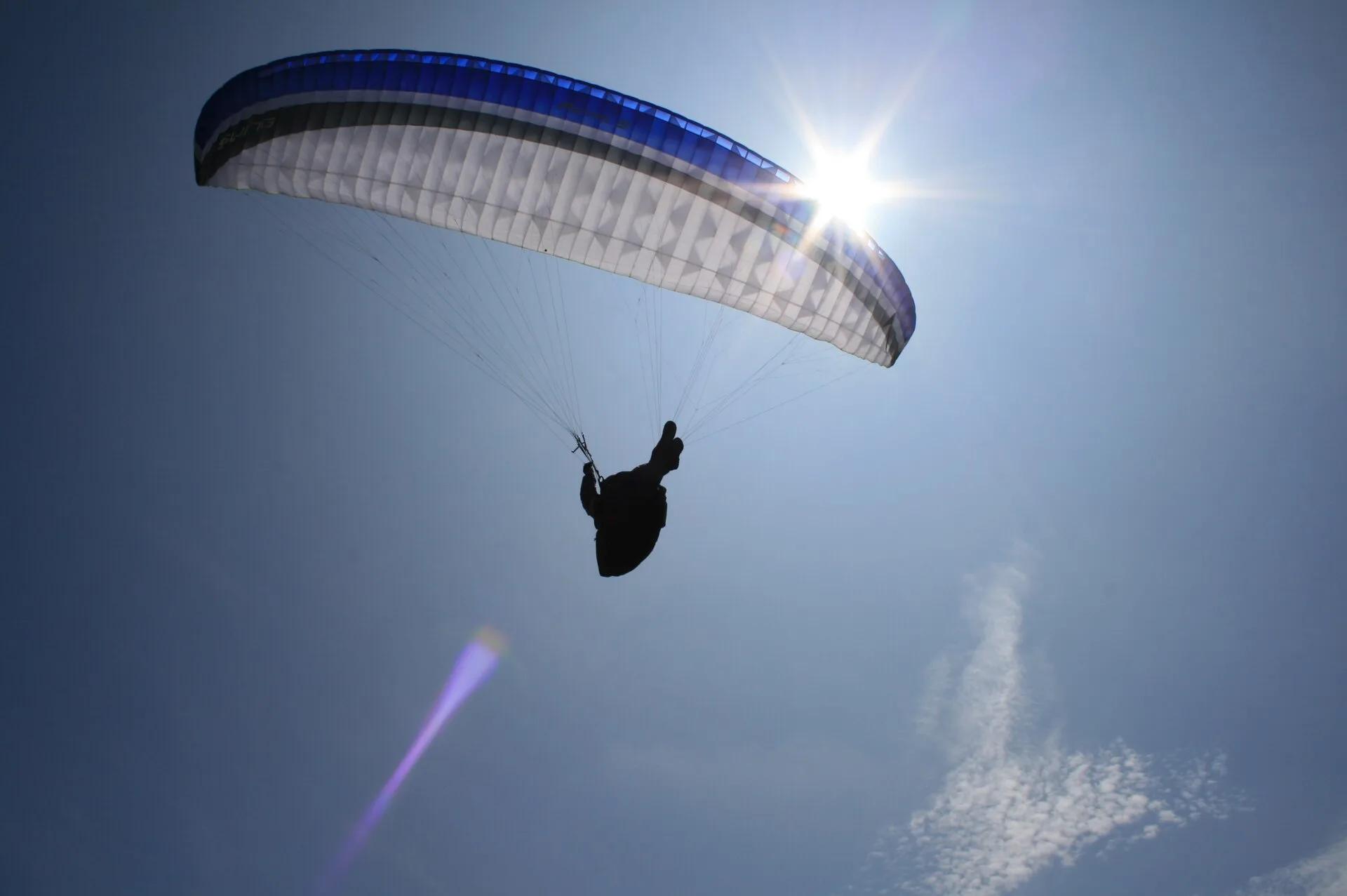
    Paragliding in Asturias

    Coast and mountains across Asturias; the listed tandem company operates in Gijón. · Asturias

    The regional tourism board lists paragliding among Asturias's air activities, either free flight or with a motor, over both the coast and the mountains, including high-mountain flights launching above 1,000 metres. People with no flying experience can take a tandem flight with a professional instructor. One company listed on the official portal, based in Gijón, offers tandem flights from its own launch site.

    Checked 3 Nov 2026

    View activity
  • Activity

    Bungee jumping by San Antolín beach

    Viaduct beside San Antolín beach, near Naves, Llanes. · Asturias

    • Site of cultural interest

    Turismo Asturias notes that bungee jumping (puenting) takes place from the motorway viaduct that flanks San Antolín beach in Llanes, above the mouth of the River Bedón. The beach below is the largest in the municipality, a wide stretch of white sand beside the Romanesque church of San Antolín de Bedón, popular with surfers.

    Checked 6 Nov 2026

    View activity
  • carrodeguas / Wikimedia Commons, CC BY-SA 3.0

    Activity · On your own

    Serra da Capelada: the Herbeira cliffs and San Andrés de Teixido

    Serra da Capelada, between Cedeira and Cariño (A Coruña). · A Coruña

    Turismo de Galicia lists the Serra da Capelada among its ten unrivalled destinations: its cliffs, among the tallest in Europe, drop at over 80 degrees to the sea from the Vixía Herbeira viewpoint at 620 m. On the road up stands the shrine of Santo André de Teixido, one of Galicia's most popular, where tradition says those who do not go in life will go after death. The route can continue to Cabo Ortegal to watch the waves on the rocks known as Os Aguillóns.

    Checked 6 Nov 2026

    View activity
  • Activity · On your own

    Balcóns de Madrid viewpoint over the Sil canyon

    Parada de Sil, Ribeira Sacra (Ourense). · Ourense

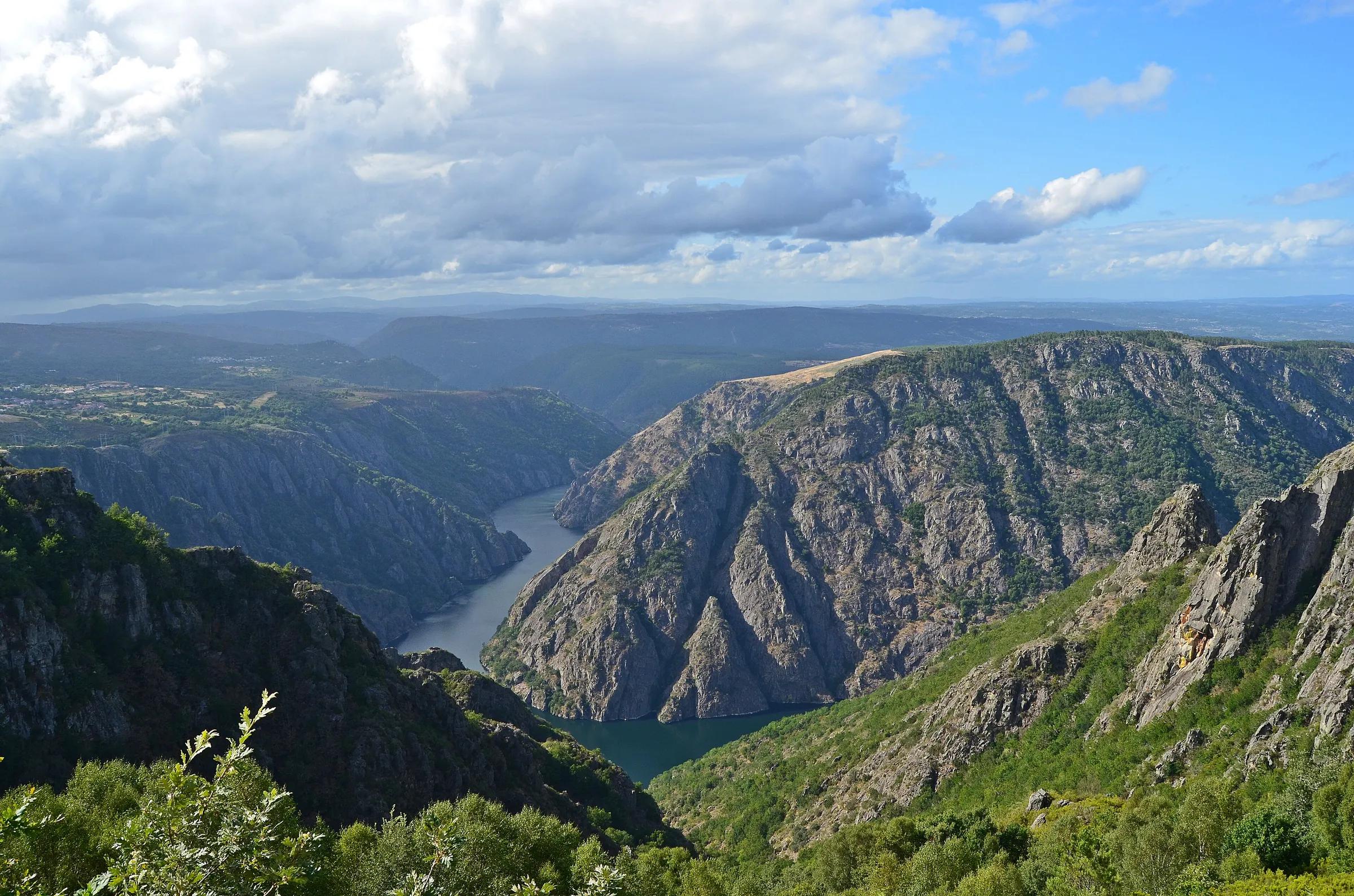
    Signposted from the village of Parada de Sil, the Balcóns de Madrid viewpoint, also known as Os Torgás, looks out from railings over the Sil canyon in the heart of the Ribeira Sacra. The Ribeira Sacra tourism consortium calls it one of the most spectacular viewpoints in Galicia and unquestionably the most breathtaking in the Ribeira Sacra.

    Checked 6 Nov 2026

    View activity

Caving & undergroundTop 1016 results

  • Caving · With a guide · Easy

    Guided beginner caving in eastern Asturias

    Cueva de Pando (Ribadesella) or Cueva de La Huelga (Cangas de Onís); departures from Arriondas, Cangas de Onís and Ribadesella. · Asturias

    • National park
    • UNESCO Biosphere Reserve

    Spain's official tourism portal lists a guided caving trip in eastern Asturias, run by an active-tourism company, in the Cueva de Pando (Ribadesella) or the Cueva de La Huelga (Cangas de Onís). The operator says the caves it uses are not difficult and need no previous experience, and that a monitor-guide accompanies the group throughout. The rock is mainly limestone with extensive karst.

    Checked 3 Nov 2026

    View activity
  • Falconaumanni / Wikimedia Commons, CC BY 3.0

    Culture · With a guide

    Tito Bustillo cave and rock art centre

    Ribadesella, by the mouth of the River Sella (Avenida de Tito Bustillo). · Asturias

    • UNESCO World Heritage

    A guided visit to one of Europe's most important Palaeolithic rock art caves, a single gallery about 700 metres long in Ribadesella with more than a hundred painted and engraved figures, including polychrome horses and reindeer. The visit lasts about an hour, groups are small, and tickets are best bought online well ahead in busy periods. The nearby Tito Bustillo Rock Art Centre and the Cuevona de Ardines complete the visit.

    Checked 6 Nov 2026

    View activity
  • Falconaumanni / Wikimedia Commons, CC BY 3.0

    Culture · With a guide

    El Pindal cave above the sea

    Cabo San Emeterio, near Pimiango (Ribadedeva), by the mouth of the Deva. · Asturias

    • UNESCO World Heritage

    A Palaeolithic cave whose wide mouth opens a few metres from the cliffs at Cabo San Emeterio, at the eastern edge of Asturias. Of its gallery of some 600 metres, the first 300 can be visited, with Magdalenian figures of deer, horses and bison and, most famously, a fish and a mammoth. Visits are booked by phone in advance.

    Checked 6 Nov 2026

    View activity
  • Culture · With a guide

    La Peña cave, Candamo

    San Román de Candamo, lower Nalón valley, on the AS-236 road from Grullos to Peñaullán. · Asturias

    • UNESCO World Heritage
    • Site of cultural interest

    Turismo Asturias describes La Peña in San Román (Candamo) as the westernmost cave with Palaeolithic art in Europe. A short gallery leads to a large chamber whose Hall of Engravings holds six panels, and an elevated recess shows horses and cattle. Places are very limited and booked online; visitors first call at the interpretation centre in the 17th-century Valdés-Bazán palace, which shows full-scale reproductions.

    Checked 6 Nov 2026

    View activity
  • Culture · With a guide

    El Pendo cave and the Frieze of Paintings

    Barrio El Churi, Escobedo de Camargo, a few kilometres from Santander. · Cantabria

    • UNESCO World Heritage
    • Site of cultural interest

    El Pendo opens with a huge mouth up to 45 m wide into a chamber 40 m across. About 80 m in, in total darkness, the Frieze of Paintings gathers 19 red figures, mostly deer, on a panel some 25 m long, identified only in 1997. Its 33 archaeological levels span Neanderthal and modern human occupation; the guided visit lasts about 45 minutes.

    Checked 6 Nov 2026

    View activity
  • Caving · With a guide

    Chufín cave by torchlight

    Riclones (Rionansa), near the confluence of the Nansa and Lamasón; about 30 minutes on foot along a track and path from the visitor centre in the old Riclones school. · Cantabria

    • UNESCO World Heritage

    Above the Palombera reservoir in the Nansa valley, Chufín keeps deep engravings of hinds in its daylit entrance and red paintings and dot panels in the dark interior. There is no electricity: visitors carry torches, wear helmet and kneepads and crawl the first 15 m. The guided visit lasts about an hour and a half for a maximum of seven people.

    Checked 6 Nov 2026

    View activity
  • Culture · With a guide

    Covalanas cave and its red hinds

    Monte Pando, on the edge of Ramales de la Victoria (Asón valley), about 320 m up; an uphill footpath of about 650 m leads from the car park.

    • UNESCO World Heritage

    Known locally as the cave of the red hinds, Covalanas holds about 18 hinds and other animals outlined in red dots traced with the fingers. Found in 1903, it was the second cave with Palaeolithic art identified on the Cantabrian coast after Altamira. Visits are guided, about 45 minutes, in tiny groups of four, three sessions a day.

    Checked 6 Nov 2026

    View activity
  • Heidi Meudt / Wikimedia Commons, CC BY 4.0

    Caving

    Caves of Ojo Guareña

    Merindad de Sotoscueva, Las Merindades (northern Burgos); Casa del Parque at Quintanilla del Rebollar. · Burgos

    • Natural monument

    Ojo Guareña, in Las Merindades, is a karst complex with some 110 km of surveyed galleries, which the regional tourism board ranks as the second-largest endokarst in the Iberian Peninsula. Visitors can enter the Cueva Palomera, where several routes suit all kinds of visitors, and a gallery reached through the Ermita de San Bernabé, an 18th-century chapel built over a prehistoric cave. The Casa del Parque at Quintanilla del Rebollar provides practical information and runs activities such as guided walks.

    Checked 3 Nov 2026

    View activity
  • Luis Rogelio HM / Wikimedia Commons, CC BY-SA 2.0

    Caving · With a guide

    Guided visits to the Cueva de Valporquero

    Valporquero de Torío (Vegacervera), in the mountains north of León city, next to the Hoces de Vegacervera. · León

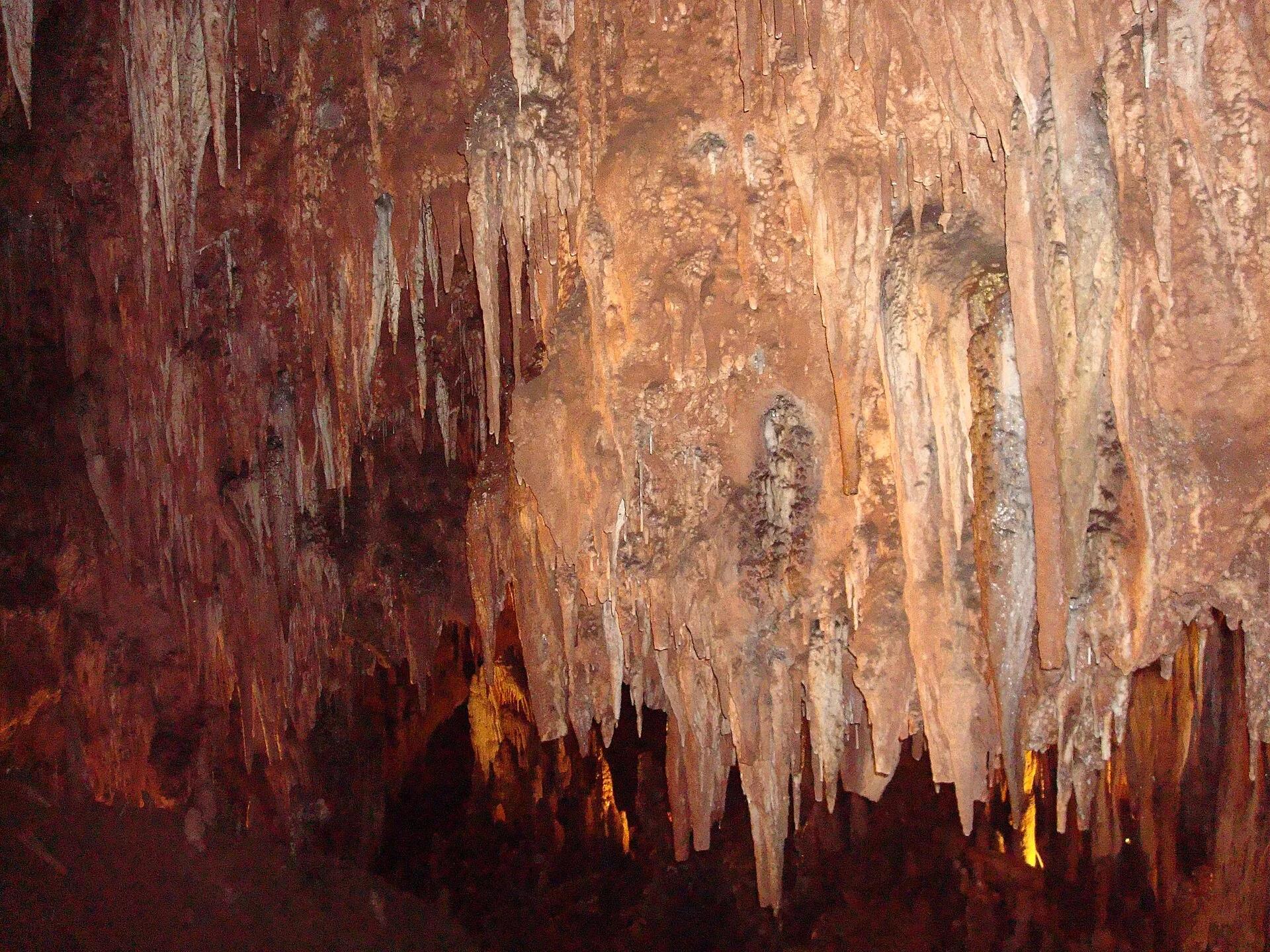
    The Cueva de Valporquero, in the mountains of León next to the Hoces de Vegacervera, is a show cave managed by the Diputación de León. The regional tourism portal describes it as the youngest cave in Castilla y León, about one million years old, with flowstones, columns, stalactites and stalagmites across seven chambers. Its three tours are all guided group visits: the normal tour covers the first five chambers in 55 to 65 minutes and the long tour seven chambers in 90 to 100 minutes. Valporquero Insólito is a visit of about three hours for small groups, recommended for over-12s, with the first part in darkness using individual headlamps; it is sold only online in advance.

    Checked 3 Nov 2026

    View activity
  • Caving · With a guide

    Cullalvera cave

    Barrio de Anciruela, Ramales de la Victoria; park in the village, as the access road is one-way. · Cantabria

    • Site of cultural interest

    A great cave mouth 28 m high, framed by holm oaks and breathing out a cold draught, leads into part of a karst system some 12 km long. The guided visit starts with an audiovisual on the Asón area and follows a 400 m walkway suitable for people with reduced mobility. Its Palaeolithic signs lie far beyond the tour route and are not shown.

    Checked 6 Nov 2026

    View activity

Wildlife & nature watchingTop 1022 results

  • Pacodonderis / Wikimedia Commons, CC BY-SA 4.0

    Wildlife · With a guide

    Birdwatching at the Lakes of Covadonga and in Ponga

    Lakes of Covadonga (Picos de Europa), the Beyos gorge (Ponga) and the River Sella; departures from Cangas de Onís. · Asturias

    • UNESCO Biosphere Reserve
    • National park

    Birdwatch Asturias runs guided trips with telescopes, binoculars and field guides provided. At the Lakes of Covadonga, in the Picos de Europa National Park, the tour looks at the shepherds who make Gamonéu cheese and the birds that live alongside them, such as bearded, Egyptian and griffon vultures and golden eagles. Other outings visit the Beyos gorge in the Ponga Natural Park and follow the River Sella by canoe.

    Checked 6 Nov 2026

    View activity
  • Wildlife · With a guide

    Bearded vultures in the Picos de Europa

    Picos de Europa National Park (Onís and Cangas de Onís); the foundation's centre is in Benia de Onís. · Asturias

    • National park
    • UNESCO Biosphere Reserve

    The Bearded Vulture Conservation Foundation runs the project to bring this endangered bird back to the Picos de Europa, where it disappeared in the 20th century. On its fieldwork tour, held on Fridays from June to September and lasting about four hours, a specialist takes visitors to the release area to follow the monitoring work and watch the birds fly, with a stop at the vulture feeding station of the Mirador de la Reina. Casa de la Montaña also runs a full-day walk to the reintroduction area and the shepherds' sheepfolds.

    Checked 6 Nov 2026

    View activity
  • LBM1948 / Wikimedia Commons, CC BY-SA 4.0

    Wildlife · With a guide

    The red deer rut (berrea) in Aller and Redes

    Aller (central Asturias) and the Redes Natural Park (Sobrescobio and Caso). · Asturias

    • UNESCO Biosphere Reserve

    From mid-September to mid-October red deer stags roar and fight during the rut. Jarascada's mountain guides and a biologist take small groups to observation points in Aller, one of the areas with the highest deer numbers. In the Redes Natural Park, Terix runs easy four-hour bio-interpreted walks led by biologists that explain the rut and how autumn changes the oak woods.

    Checked 6 Nov 2026

    View activity
  • Luis Miguel Bugallo Sánchez (Lmbuga) / Wikimedia Commons, CC BY-SA 3.0

    Hiking · On your own · Easy

    Walks in the Corrubedo dunes natural park

    Complexo dunar de Corrubedo e lagoas de Carregal e Vixán natural park, Ribeira (A Coruña); Casa da Costa visitor centre at O Vilar. · A Coruña

    • Natural park

    Turismo de Galicia calls the mobile dune of Corrubedo the biggest in Galicia; it overlooks A Ladeira beach and is closed to the public to protect it. Five easy, signposted trails of 1.5 to 6 km lead around it to the beaches and to the lagoons of Vixán (fresh water, with a bird hide) and Carregal (salt water). From September to April the Vixán hide is the best place to see ducks, cormorants, golden plovers and herons.

    Checked 6 Nov 2026

    View activity
  • dorfun / Wikimedia Commons, CC BY-SA 2.0

    Wildlife · With a guide or on your own

    O Invernadeiro natural park (visits by permit)

    O Invernadeiro natural park, Vilariño de Conso (Ourense). · Ourense

    • Natural park

    O Invernadeiro covers nearly 6,000 hectares of the Ourense Macizo Central, all in Vilariño de Conso, rising to about 1,500 m along the Ribeira Grande and Ribeira Pequena. After a fire in 1979 it was restored with a conservation focus and declared a natural park in 1997; wolves, deer, roe deer and chamois live here, and Turismo de Galicia says it has the largest concentration of birds of prey in Galicia. Visits need prior written permission and are made on foot along six set routes.

    Checked 6 Nov 2026

    View activity
  • Ignacio Pérez Anguio / Wikimedia Commons, CC BY-SA 3.0

    Wildlife · With a guide

    Stargazing in Allande, a Starlight municipality

    Allande (south-western Asturias), along the Camino Primitivo between the Marta and Puerto del Palo refuges.

    • Starlight Reserve

    Allande, with fewer than 2,000 inhabitants, was Spain's first Starlight Municipality, certified by the Starlight Foundation. Its 'Ruta de las Estrellas' is a six-kilometre route beside the Camino Primitivo between the Marta and Puerto del Palo refuges, where groups such as Allande Stars, run by qualified astrophysicists, lead night-sky outings with telescopes.

    Checked 6 Nov 2026

    View activity
  • Wildlife · With a guide

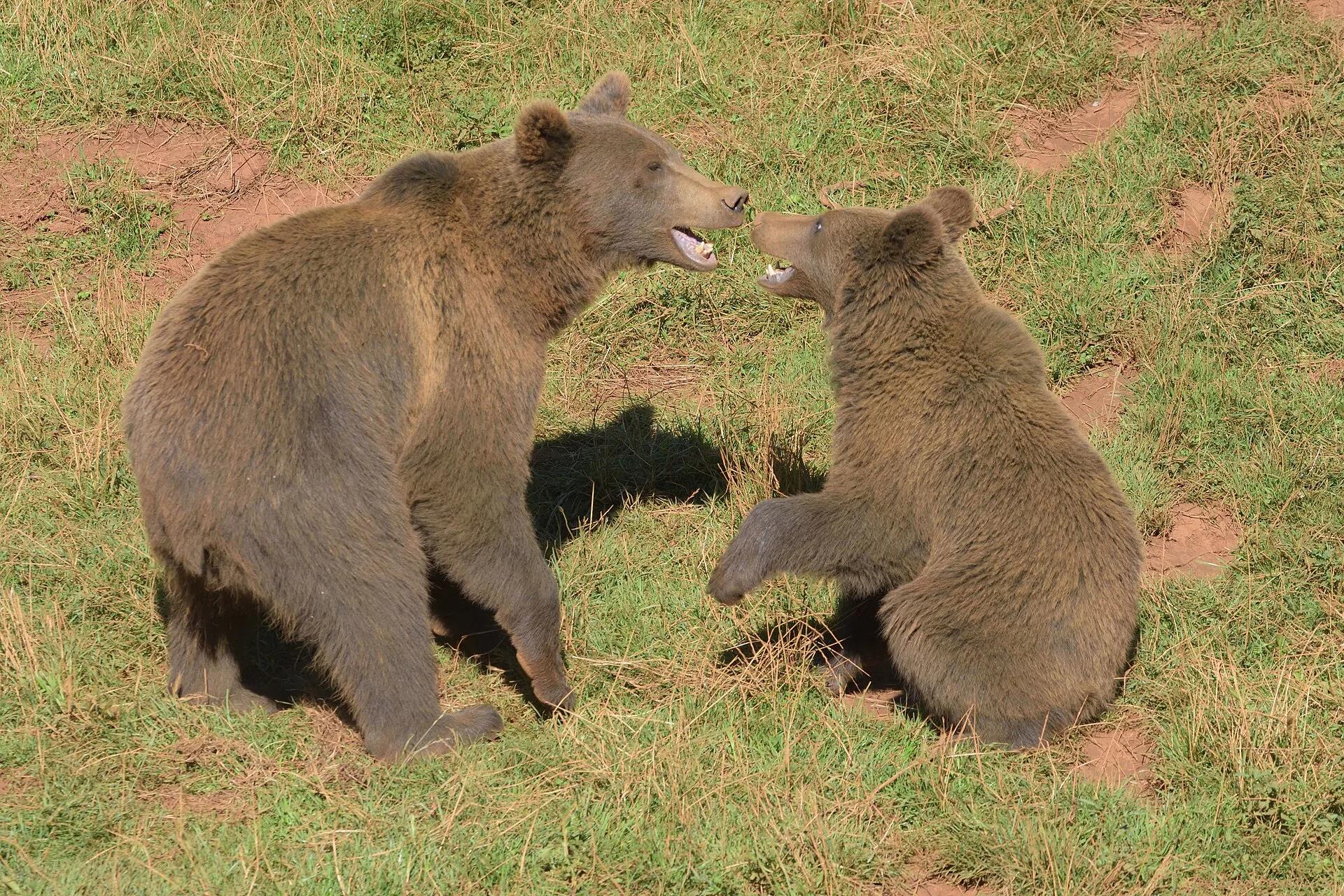
    Bears and wolves in the Fuentes del Narcea Natural Park

    Fuentes del Narcea, Degaña and Ibias Natural Park, Cangas del Narcea (south-west Asturias). · Asturias

    • UNESCO Biosphere Reserve

    In the Fuentes del Narcea, Degaña and Ibias Natural Park, local guides lead watching trips for the Cantabrian brown bear and other wildlife. Natur's bear and wolf trails teach you to read tracks, signs and sounds, at dawn or until nightfall, and are suitable for families with no experience; Mirada Astur works around Leitariegos, combining a short walk with patient bear watching through telescopes.

    Checked 6 Nov 2026

    View activity
  • Fernando Losada Rodríguez / Wikimedia Commons, CC BY-SA 4.0

    Wildlife · On your own · Easy

    Birdwatching at the Ría de Ortigueira and Estaca de Bares

    Ría de Ortigueira, Cariño, Serra da Capelada and Estaca de Bares (province of A Coruña). · A Coruña

    The north end of Galicia is popular with birdwatchers: from Estaca de Bares, with north or northwest winds between late August and early December, thousands of migrating seabirds can be seen. Between November and February the Ría de Ortigueira holds large flocks of ducks and waders. Turismo de Galicia proposes a 37 km 'Gavia' route by car between the port of Espasante and Fornos beach, best at mid tide on a falling tide.

    Checked 3 Nov 2026

    View activity
  • Victoria Ben / Wikimedia Commons, CC BY-SA 4.0

    Wildlife · On your own · Easy

    Birdwatching in the A Terra Chá wetlands

    A Terra Chá, north of Lugo: Rábade, Cospeito, Castro de Rei, Begonte and Vilalba (province of Lugo). · Lugo

    A Terra Chá, the plain north of the city of Lugo, has lagoons, grasslands and wet meadows that host many bird species all year. Turismo de Galicia proposes the 45 km 'Pygargus' route by car from Rábade to the Caque lagoon, past the Cospeito lagoon, which has several bird hides, and the grasslands of A Espiñeira and Veiga de Pumar.

    Checked 3 Nov 2026

    View activity
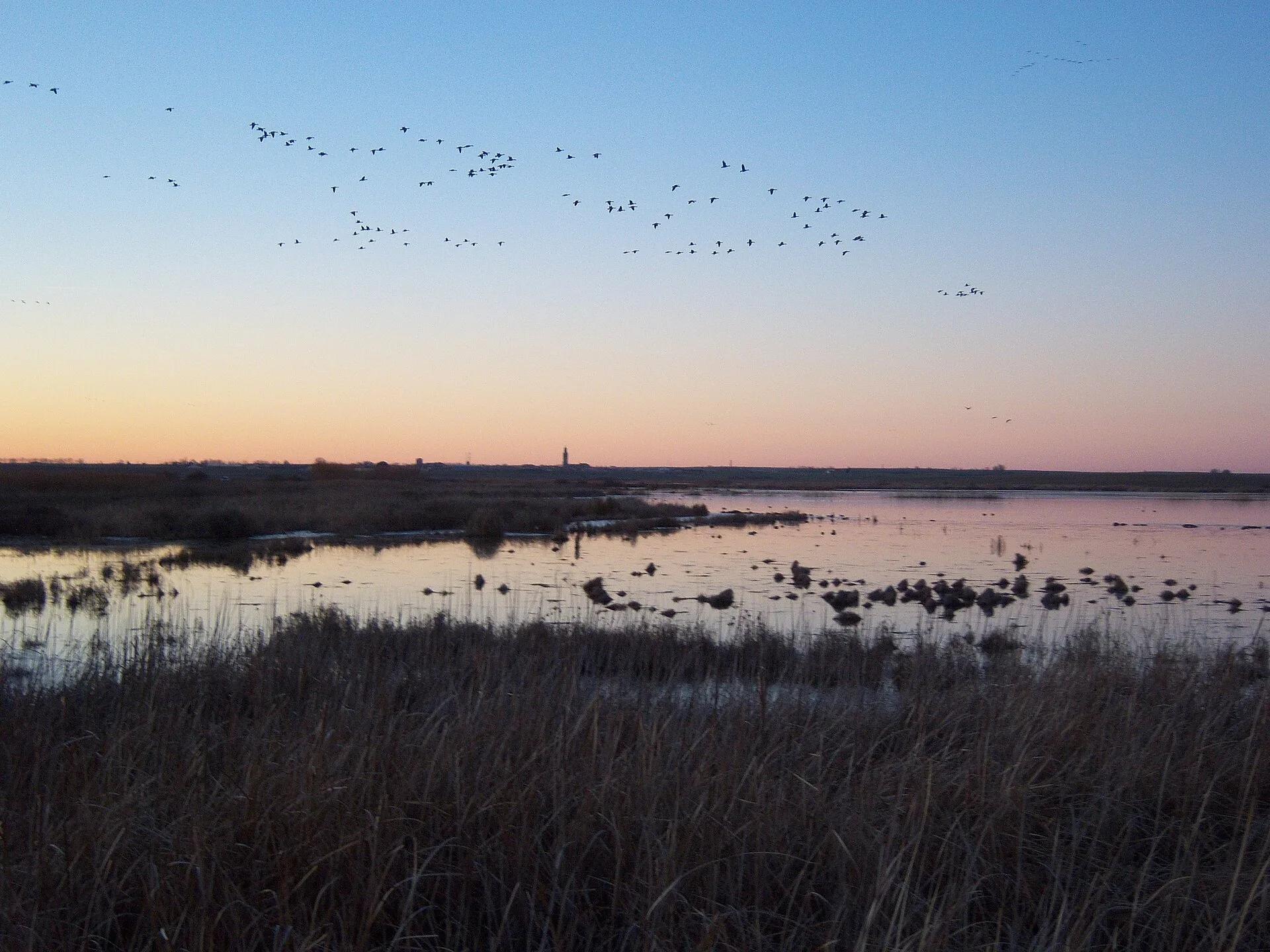
  • Wildlife

    Birdwatching in the Santoña, Victoria and Joyel marshes

    Marshes of Santoña, Victoria and Joyel, on the Cantabrian coast. · Cantabria

    • Natural park

    The Marismas de Santoña, Victoria y Joyel Natural Park is described by Spain's tourism board as the most important wetland for waterfowl on the Cantabrian coast and in the north of Spain. Especially in winter it holds up to 20,000 birds, from loons to many kinds of ducks and herons, and birdwatching outings in small boats are offered. In the Victoria marsh, the Molino de las Aves centre has guided tours, an exhibition area and a children's information room.

    Checked 3 Nov 2026

    View activity

Horse riding & animals7 results

  • Horse riding · With a guide

    Horse riding in Ponga and Los Oscos

    Areas listed for the company include the Ponga Natural Park and Los Oscos. · Asturias

    • UNESCO Biosphere Reserve
    • Natural park

    The regional tourism board lists horse riding (marcha a caballo) among Asturias's active-tourism options as a way of discovering its nature. One equestrian-tourism company listed on the official portal, Equusfera, runs short and long rides in areas including the Ponga Natural Park and Los Oscos, describes them as suitable for the whole family with no previous experience needed, and says riders are always supervised by an instructor.

    Checked 3 Nov 2026

    View activity
  • Benigno Varillas / Wikimedia Commons, CC BY-SA 4.0

    Horse riding · With a guide

    Horse riding in the Redes Natural Park

    Redes Natural Park, Caso and Sobrescobio. · Asturias

    • UNESCO Biosphere Reserve

    Cuadras Los Arrudos is a small family business that keeps its seven horses in a natural way, out in the open, and rides through the Redes Natural Park in Caso and Sobrescobio, often accompanied by its dogs and donkeys. Redes is one of Asturias' seven Biosphere Reserves.

    Checked 6 Nov 2026

    View activity
  • Horse riding · With a guide

    Horse riding near Ribadesella: woods, rivers and coast views

    Ribadesella and Villaviciosa area (eastern-central Asturias). · Asturias

    Rutas Babieca offers a one-hour ride through woodland and along an inland river, suitable as a first taste of riding, and a two-hour circular route that crosses two rivers and two woods with panoramic views of the coast. It works in the Ribadesella and Villaviciosa area.

    Checked 6 Nov 2026

    View activity
  • Horse riding

    Horse riding in Las Merindades

    Las Merindades, northern Burgos: Agüera, Villasante and Ailanes (Valle de Zamanzas).

    The Burgos provincial tourism portal, run by SODEBUR for the Diputación de Burgos, has an equestrian-tourism section that lists riding centres in Las Merindades, in the north of the province. Hípica Los Nabarones, in Agüera, offers rides and routes through Las Merindades, and Yeguada Los Monteros, a horse breeding and training centre in Villasante, runs rides and longer treks in northern Burgos with horses kept unshod. Caballos de Ailanes offers natural horsemanship, training and hippotherapy in the Valle de Zamanzas.

    Checked 3 Nov 2026

    View activity
  • Horse riding

    Horse riding in the Laciana Biosphere Reserve

    The Laciana Biosphere Reserve, province of León; the company is based in Caboalles de Abajo.

    Asociación Cuatro Valles, the LEADER rural development group for this part of northern León, lists La Senda Turismo among its active-tourism companies. Based in Caboalles de Abajo, the company says it has run horse routes and other activities in the Laciana Biosphere Reserve since 2012, is registered as an active-tourism business and holds the compulsory accident and civil-liability insurance.

    Checked 3 Nov 2026

    View activity
  • Horse riding · With a guide

    Horse riding and multi-day treks around Oviedo

    Corvera, Oviedo, Llanera and Las Regueras (central Asturias). · Asturias

    Asturias a Caballo runs horse-riding routes for all levels in central Asturias, around Corvera, Oviedo, Llanera and Las Regueras: short rides for beginners, two-hour group rides, half-day and full-day outings, and multi-day treks for more experienced riders.

    Checked 6 Nov 2026

    View activity
  • Horse riding · With a guide

    Horse riding in the Ribeira Sacra

    Monforte de Lemos and Taboada, Ribeira Sacra (province of Lugo). · Lugo

    The Ribeira Sacra has two riding centres, in the municipalities of Monforte de Lemos and Taboada. According to the area's tourism consortium, they offer horse rides, night rides, countryside outings with a meal, bathing with horses, riding lessons and equine therapy.

    Checked 3 Nov 2026

    View activity

Family adventuresTop 1013 results

  • Miguel Branco / Wikimedia Commons, CC BY-SA 4.0

    Learning · On your own

    Geology of the Courel Geopark: Quiroga museum and the Campodola fold

    Quiroga and the road between Quiroga and Folgoso do Courel (Lugo). · Lugo

    • UNESCO Global Geopark
    • Natural monument

    The Courel Mountains, covering Quiroga, Folgoso do Courel and Ribas de Sil, were declared a UNESCO Global Geopark in 2019, the first in Galicia and north-west Spain. The Quiroga Geological Museum explains the province's geological and palaeontological past, and four viewpoints have been set up for learning about the landscape: Campodola, As Fontes, A Pómez and Mostad. From Campodola you see the Campodola–Leixazós syncline, a great rock fold declared a Natural Monument.

    Checked 6 Nov 2026

    View activity
  • Malopez 21 / Wikimedia Commons, CC BY-SA 4.0

    Learning

    Atapuerca sites and the Museum of Human Evolution

    Sierra de Atapuerca, east of the city of Burgos; the museum is in Burgos city centre. · Burgos

    • UNESCO World Heritage
    • Site of cultural interest

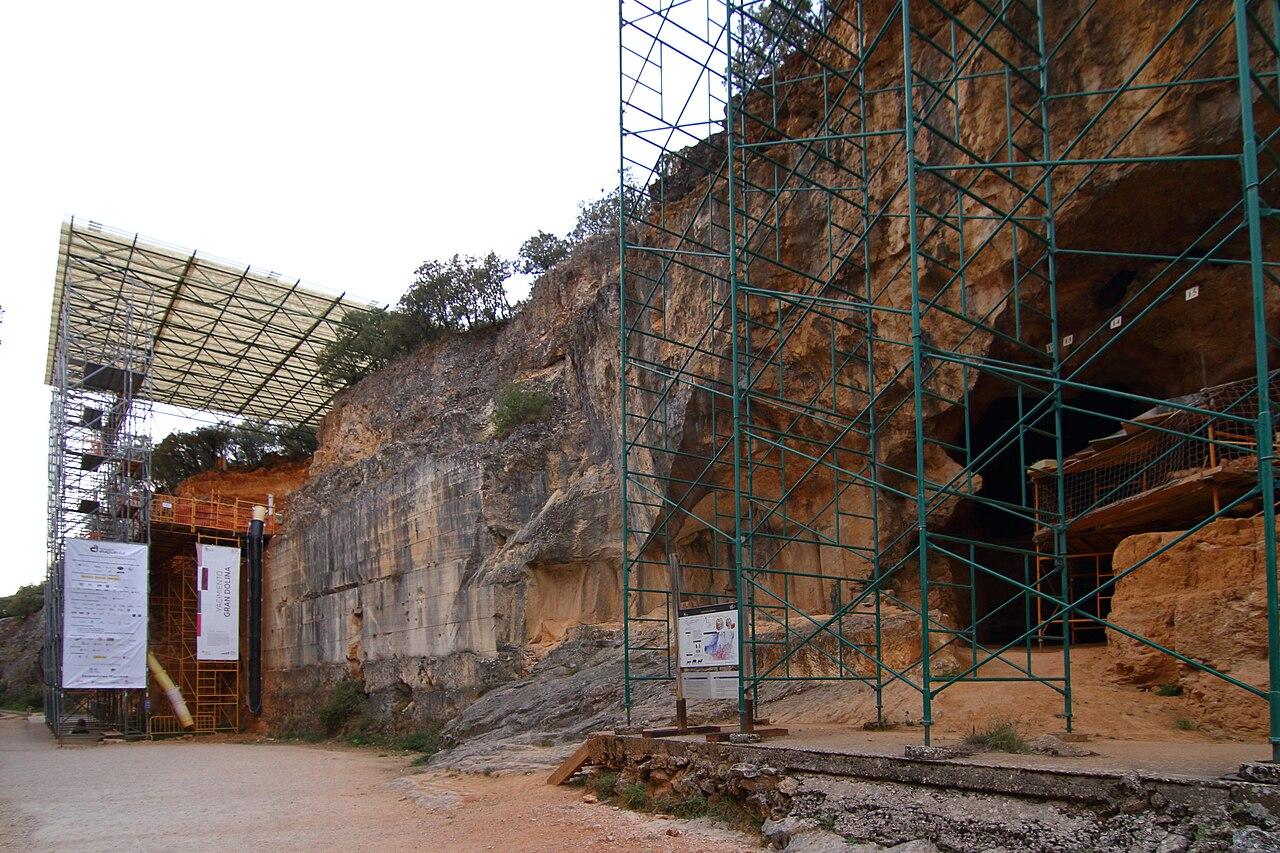
    The Sierra de Atapuerca, near Burgos, holds the Sima del Elefante, Galería and Gran Dolina sites, where fossils of up to five hominin species have been found, some more than a million years old. Visits follow the old railway trench, and the regional tourism board pairs them with the Museo de la Evolución Humana in the city centre and the Centro de Arqueología Experimental (CAREX). The same page mentions a caving experience in the Cueva Peluda next to the sites and a botanical trail around the trench.

    Checked 3 Nov 2026

    View activity
  • José Luis Filpo Cabana / Wikimedia Commons, CC BY 3.0

    Family · With a guide or on your own

    Cantabrian Maritime Museum and aquariums

    Avenida de Severiano Ballesteros, Santander, between the San Martín headland and Los Peligros beach. · Cantabria

    • A tourism-board highlight

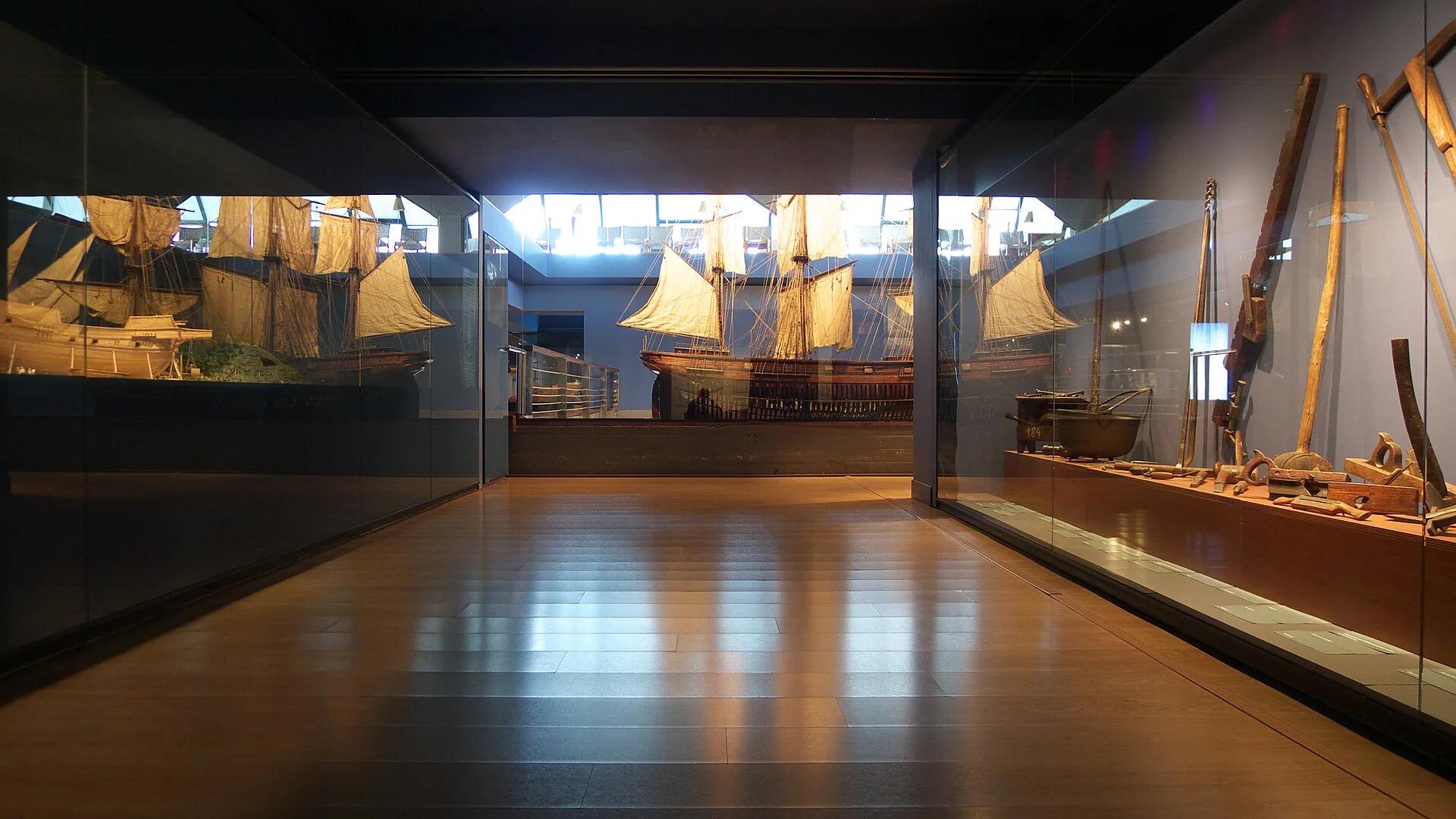
    On Santander's seafront near the Magdalena beaches, this museum combines large modern aquariums with 3,000 m² of exhibitions on people and the sea. Its four sections cover marine life, fishermen and fisheries, the Cantabrian Sea in history and maritime technology. Turespaña counts it among the ten things not to miss in Cantabria.

    Checked 6 Nov 2026

    View activity
  • Rodelar / Wikimedia Commons, CC BY-SA 4.0

    Family

    Boat trips on the Canal de Castilla

    Frómista and Boadilla del Camino (Juan de Homar) and Herrera de Pisuerga (Marqués de la Ensenada), Palencia. · Palencia

    • Site of cultural interest

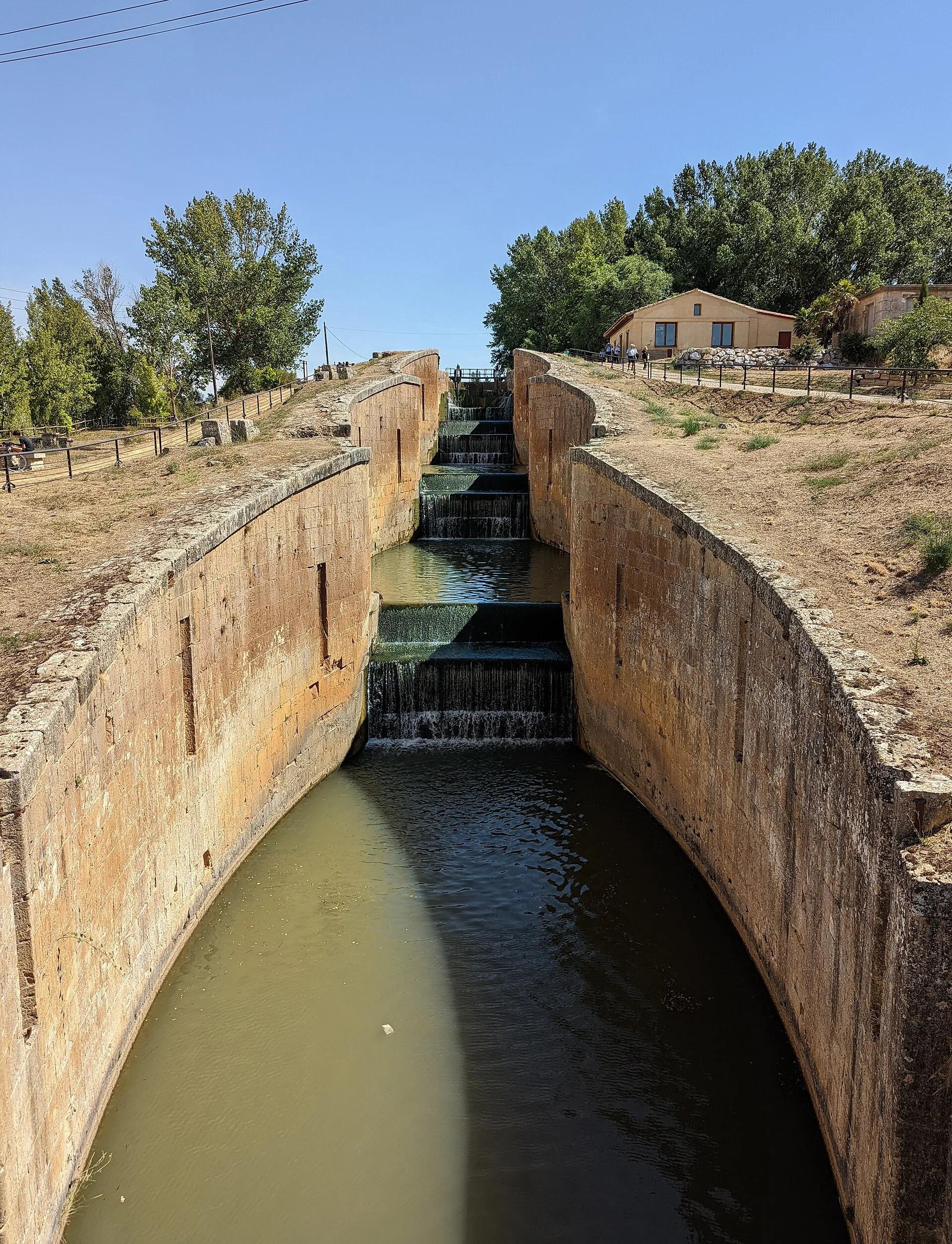
    The Canal de Castilla is an 18th-century waterway of 207 km across Palencia, Valladolid and Burgos, and the Diputación de Palencia invites visitors to explore it by boat, bike, on horseback or on foot. The provincial council runs tourist boats such as the Juan de Homar, which sails from Frómista or Boadilla del Camino alongside the Camino de Santiago, and the Marqués de la Ensenada at Herrera de Pisuerga. In summer the council has programmed themed trips aboard both boats, presented as a plan to enjoy with the family.

    Checked 3 Nov 2026

    View activity
  • D.Rovchak / Wikimedia Commons, CC BY-SA 4.0

    Family · With a guide or on your own

    Jurassic Museum of Asturias (MUJA)

    Rasa de San Telmo, AS-257 road, Colunga (eastern Asturias coast). · Asturias

    • Natural monument

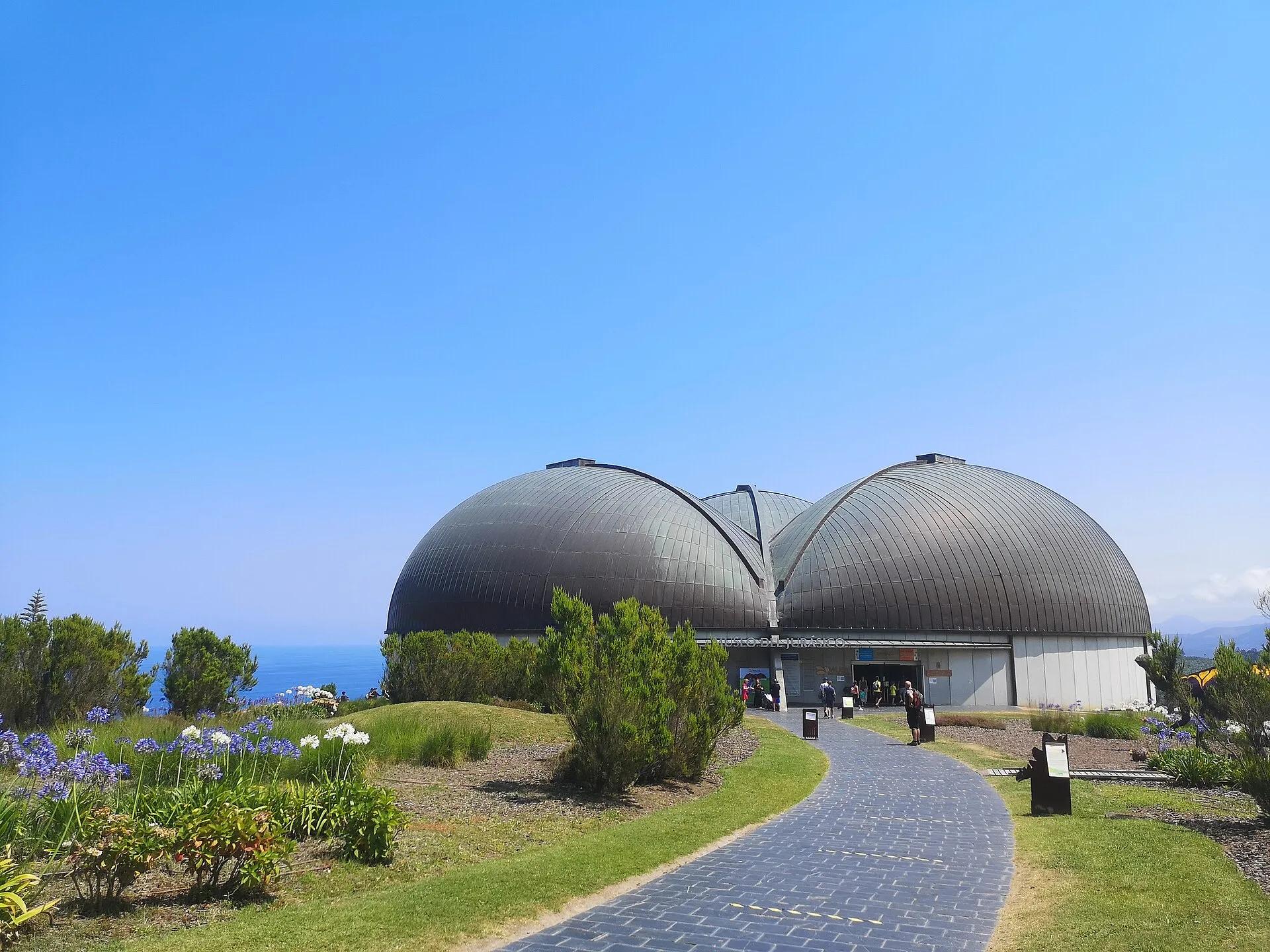
    Shaped like a giant three-toed dinosaur footprint, the MUJA stands 155 metres above the sea on the Rasa de San Telmo near Colunga. Almost 2,500 m² of exhibition space with skeletons, fossils and reproductions tells the story of the dinosaurs that lived on this coast, and the garden holds more than 39 life-size replicas. Guided tours, audio guides and a children's self-guided tour are offered.

    Checked 6 Nov 2026

    View activity
  • Museos Científicos Coruñeses / Wikimedia Commons, CC BY-SA 2.0

    Family · On your own

    Aquarium Finisterrae (A Coruña)

    Aquarium Finisterrae, city of A Coruña. · A Coruña

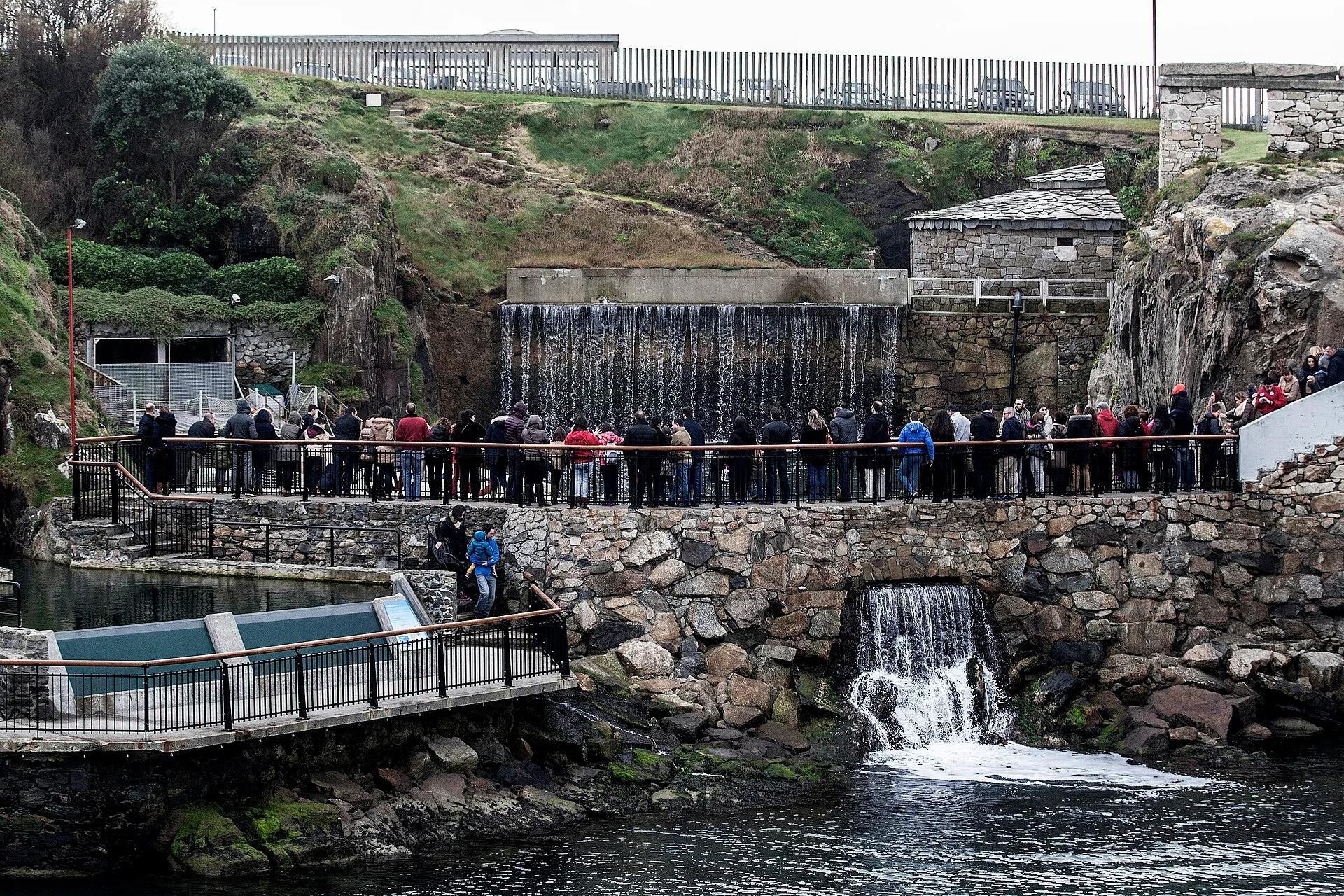
    A Coruña's aquarium shows more than three hundred marine species in four exhibition halls, with pools, tanks and interactive exhibits on the ecosystem of the Galician coast. In the Nautilus room you sit inside a pool of more than five million litres where sea bass, sea bream and sharks swim past. There is also a colony of seals and large outdoor terraces.

    Checked 6 Nov 2026

    View activity
  • Museo de Dinosaurios / Wikimedia Commons, CC BY-SA 4.0

    Learning · On your own

    Dinosaur Museum, Salas de los Infantes

    Plaza Jesús Aparicio, Salas de los Infantes (Burgos). · Burgos

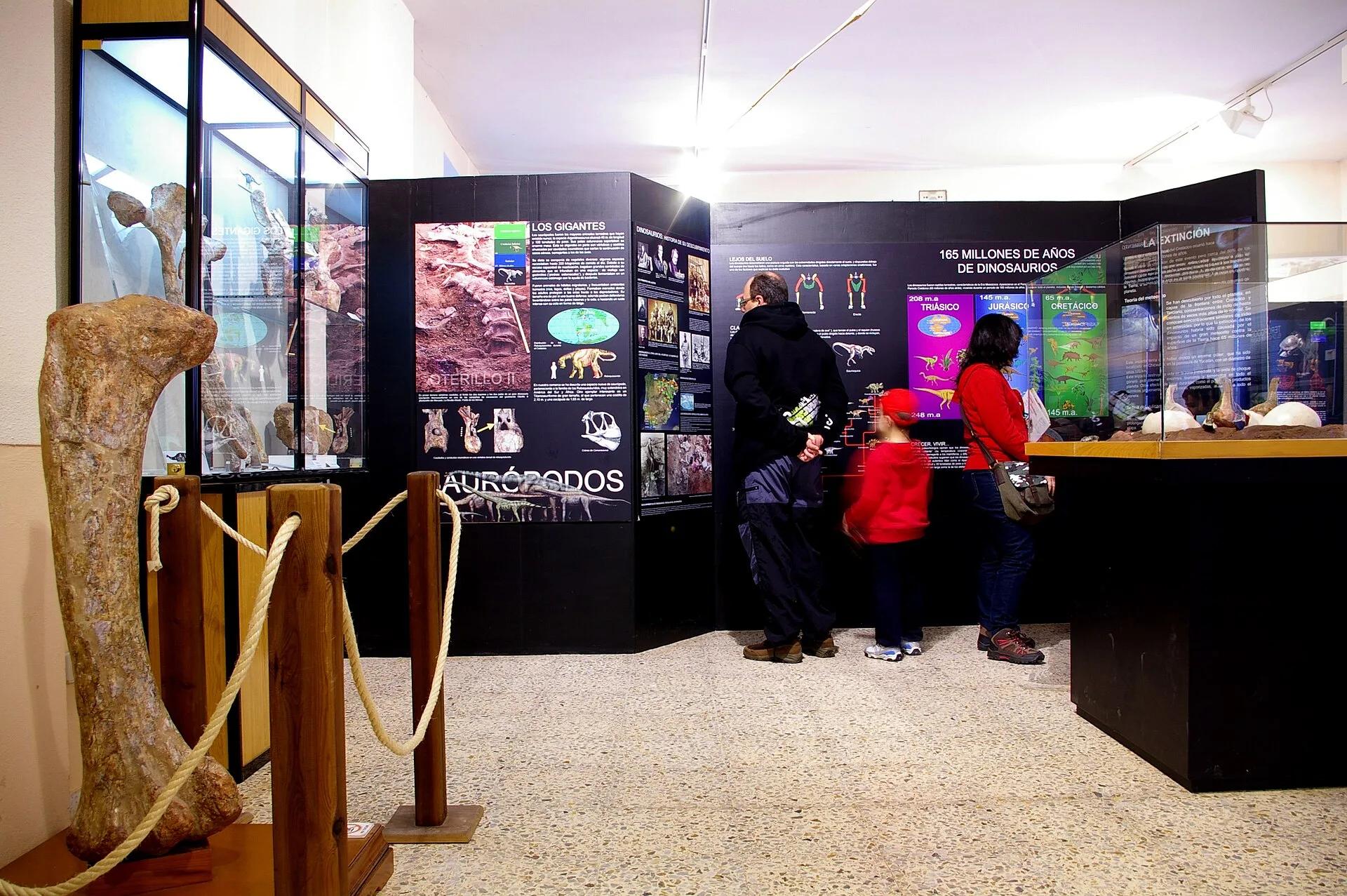
    The archaeological and palaeontological museum of Salas de los Infantes has two rooms. The archaeology room runs from quartzite hand-axes about 300,000 years old through Bronze Age spearheads and Iron Age pottery to Roman stelae and a medieval tomb carved in sandstone, and a second room is devoted to palaeontology.

    Checked 6 Nov 2026

    View activity
  • Joseolgon / Wikimedia Commons, CC BY 4.0

    Learning · On your own

    Domus, the interactive museum of the human being (A Coruña)

    Domus, city of A Coruña. · A Coruña

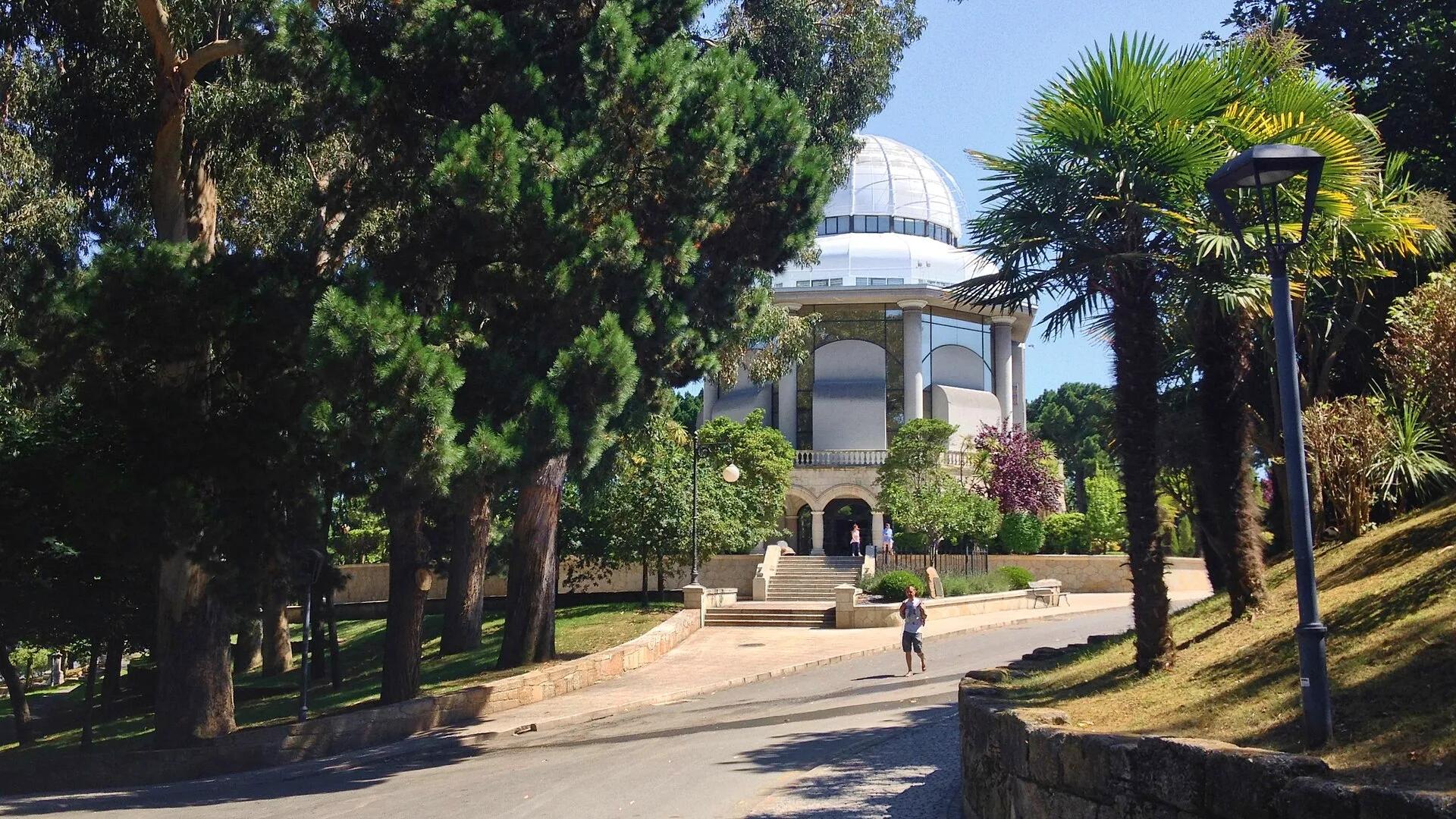
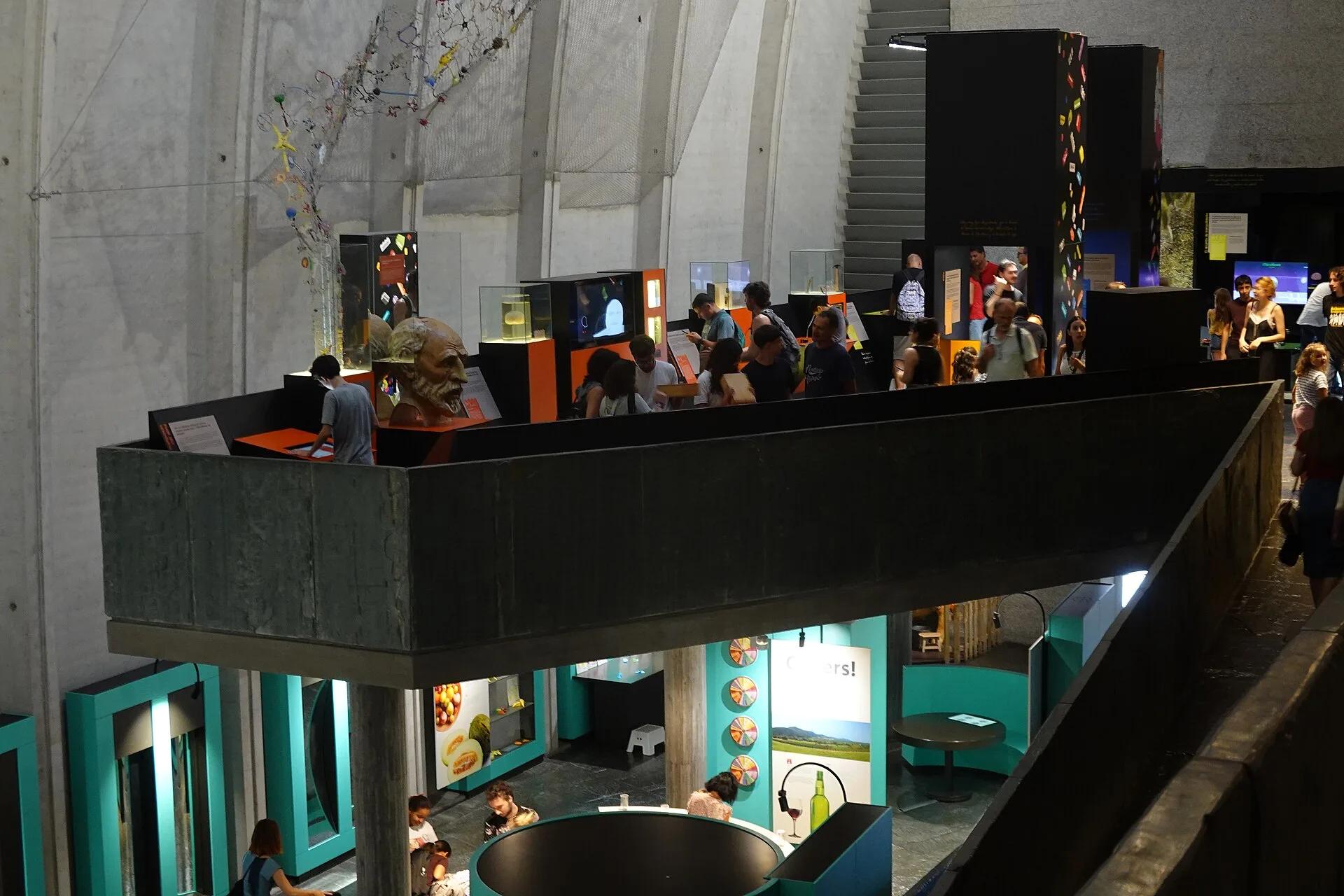
    Domus is an interactive museum about the human body and mind: the senses, genetics, human traits and evolution, explored through play by children and adults. It has more than 150 exhibits and a large-screen cinema, the Leonardo da Vinci room. The building, by Arata Isozaki with César Portela, stands on an old quarry and is shaped, in the city's words, like a sail inflated by the wind.

    Checked 6 Nov 2026

    View activity
  • Rodrigorega / Wikimedia Commons, CC BY-SA 4.0

    Learning · On your own

    MIHL, Lugo's interactive history museum

    Parque da Milagrosa (Monte Faro), Lugo. · Lugo

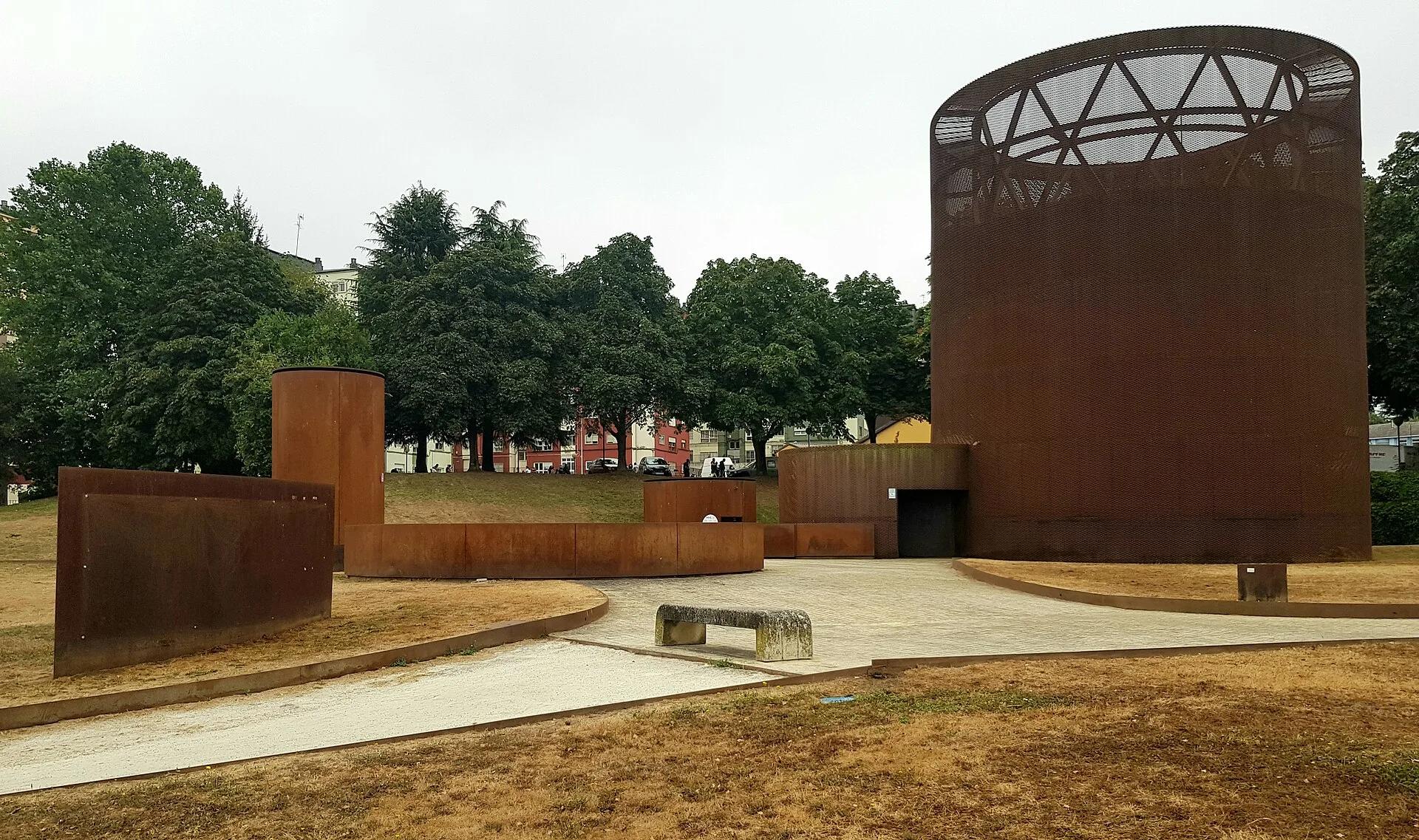
    Lugo's municipal interactive history museum sits under a wooded garden roof of 11,300 m² in the Milagrosa park, with sunken circular courtyards and underground cylinders more than 8 m tall that the city describes as a very innovative project. Its 300 m² permanent exhibition tells the history of the city, and a second hall hosts temporary exhibitions and educational activities. Entry is free; groups book through the municipal tourist office.

    Checked 6 Nov 2026

    View activity
  • Family · With a guide

    Coal mine and mining centre, Barruelo de Santullán

    Calle Cerrada, Barruelo de Santullán (Montaña Palentina); the mine is about 1 km from the village centre.

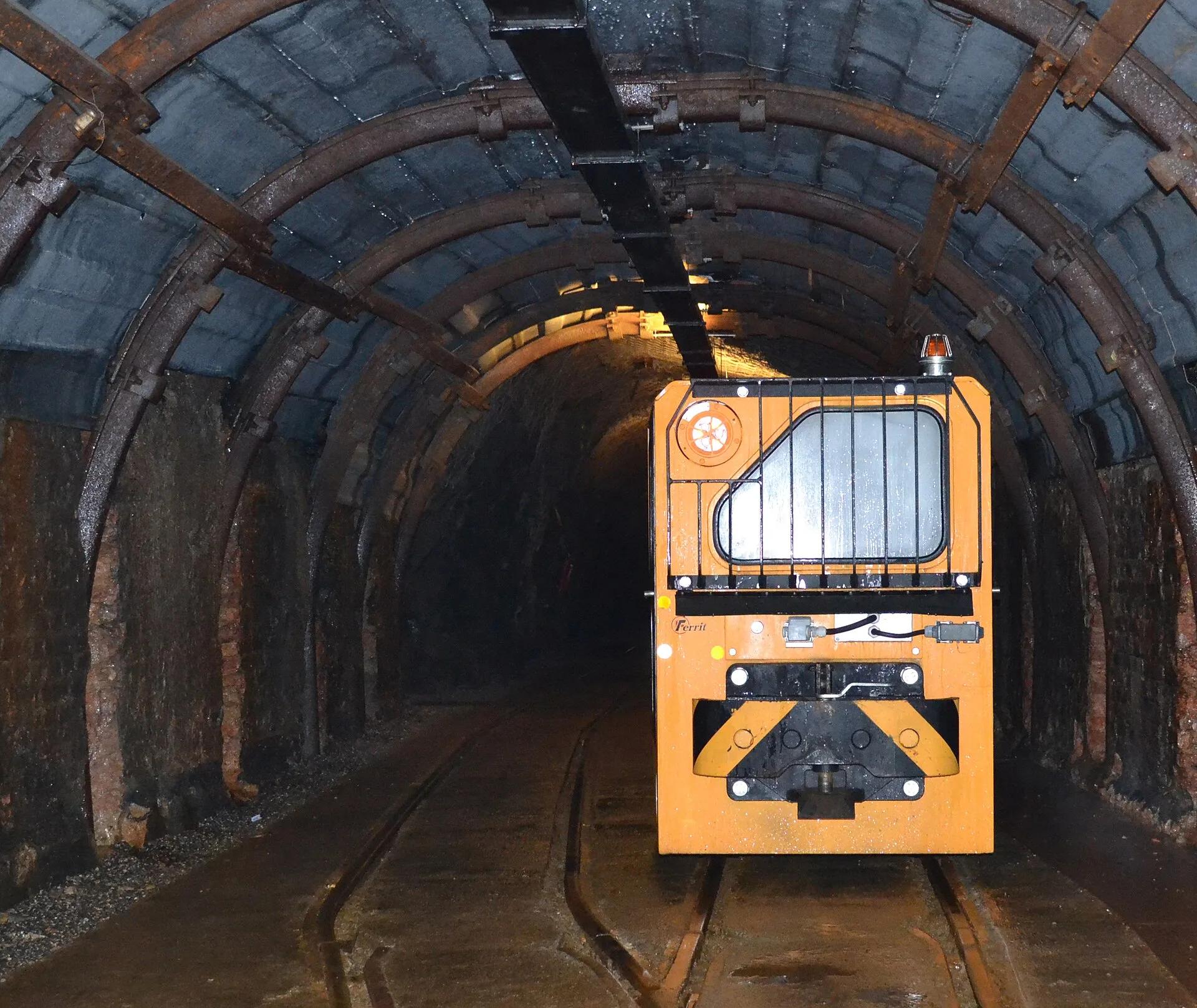
    Barruelo's mining centre combines about 600 m² of interactive exhibition on geology and coal mining with a visitable mine. Guides lead you through two 70 m galleries joined by workings, with real machinery, timber props, coal seams and a simulated blast with real sounds. Booking is always required; it is closed in winter.

    Checked 6 Nov 2026

    View activity
Wellness & slow adventures9 results

  • Wellness · On your own

    Thermal spa and Roman baths of Lugo

    Camino del Balneario, by the river Miño, Lugo. · Lugo

    • UNESCO World Heritage
    • Site of cultural interest

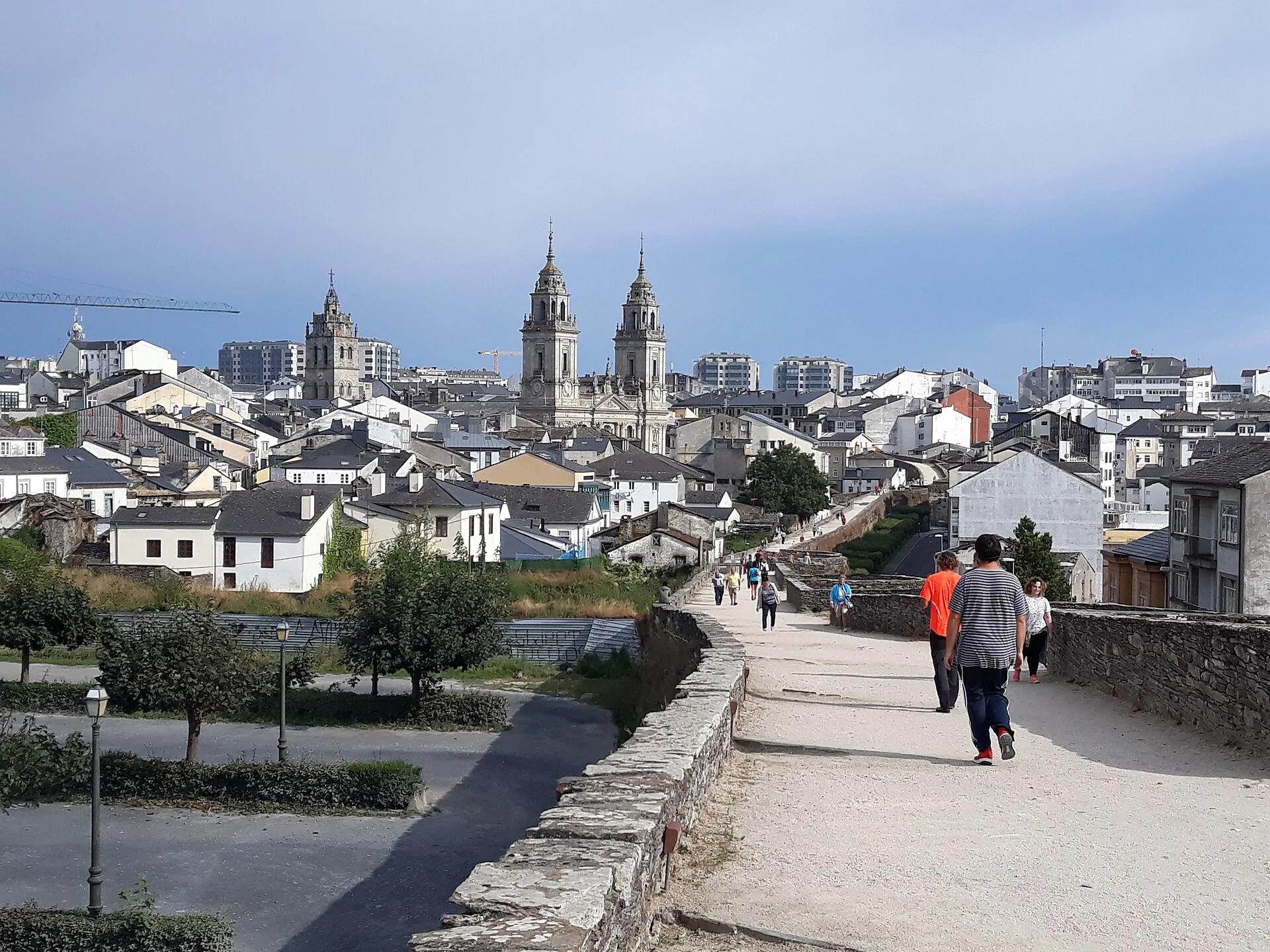
    Beside the river Miño in Lugo, the Hotel Balneario y Termas Romanas uses hyperthermal sulphurous, sodium and bicarbonate waters. Inside the building survive two rooms of the 2nd-century Roman baths, a changing room and a bathing hall later reused as the spa's chapel; visitors can see them by reservation. The Deputación de Lugo lists the spa among the province's four balnearios.

    Checked 6 Nov 2026

    View activity
  • Wellness · On your own

    Hot springs of Lobios on the river Caldo (Baixa Limia–Serra do Xurés)

    Riocaldo, Lobios, Baixa Limia–Serra do Xurés natural park (Ourense). · Ourense

    • Natural park
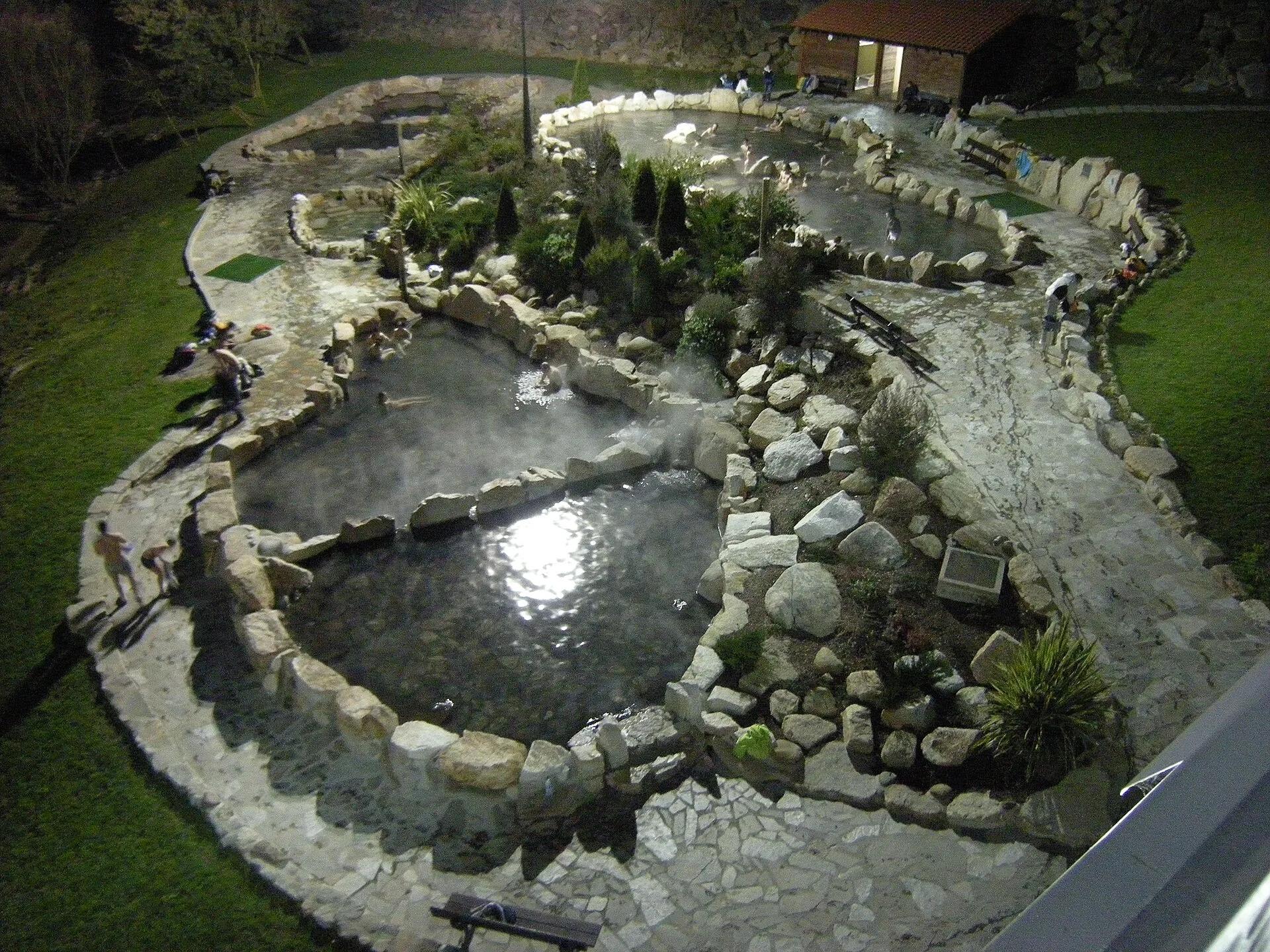
    • UNESCO Biosphere Reserve

    At Riocaldo, inside the Baixa Limia–Serra do Xurés natural park, springs rich in bicarbonate, sodium and chloride rise at more than 70 °C. Beside the river Caldo there is a riverside promenade and a large, free pool of steaming spring water that mixes with the cooler river; the Lobios spa hotel next door has indoor pools looking out on the Xurés. The Corga da Fecha trail and the Roman mansio of Aquis Originis start from here.

    Checked 6 Nov 2026

    View activity
  • Olga Gairin / Wikimedia Commons, CC BY-SA 3.0

    Wellness · On your own

    Termas de Prexigueiro (Ribadavia)

    Prexigueiro, Francelos parish, Ribadavia (Ourense). · Ourense

    • Site of cultural interest

    Turismo de Galicia lists Prexigueiro, near Ribadavia in the O Ribeiro wine country, as a thermal complex with a thermal-water swimming pool, spa and thermal circuit, using highly thermal, sulphurous and bicarbonate waters. Treatments include hydromassage, massage, seaweed wraps and vinotherapy, and the common areas are listed as accessible.

    Checked 6 Nov 2026

    View activity
  • Rahico / Wikimedia Commons, CC BY-SA 4.0

    Wellness

    Balneario Caldas de Luna

    Caldas de Luna, municipality of Sena de Luna, Luna valley (León).

    The Balneario Caldas de Luna, in Caldas de Luna (Sena de Luna), is a spa listed on the Castilla y León tourism portal. The spa describes its offer as wellness and health stays in the Luna valley, between the historic regions of Asturias and León, and says the spa and hotel operate seasonally from 1 March to 10 December.

    Checked 3 Nov 2026

    View activity
  • Mentxuwiki / Wikimedia Commons, CC BY-SA 4.0

    Wellness

    Puente Viesgo spa

    Puente Viesgo, Pas valley, 37 km from Santander. · Cantabria

    The spa at Puente Viesgo, in the Pas valley 37 km from Santander, is one of the best-known in Spain. Its spring rises on the banks of the river Pas, and the spa hotel offers thermal baths, hydromassage and seaweed treatments, among other services. Its Templo del Agua covers 2,000 square metres and includes a flotation pool.

    Checked 3 Nov 2026

    View activity
  • AdelosRM / Wikimedia Commons, CC BY-SA 3.0

    Wellness

    Thermal spa at Las Caldas (Oviedo)

    Las Caldas, about eight kilometres from Oviedo, surrounded by mountains and woods. · Asturias

    Turespaña presents Las Caldas Villa Termal, eight kilometres from Oviedo, as a reference for hydrotherapy in northern Spain. Its mineral-medicinal waters have been used since the 18th century, and the complex keeps an old 18th-century bath house alongside spa options ranging from the historic Balneario Real to the Aquaxana eco-thermal centre.

    Checked 3 Nov 2026

    View activity
  • José Antonio Gil Martínez from Vigo, Spain / Wikimedia Commons, CC BY 2.0

    Wellness · On your own

    Ourense thermal baths along the Miño

    City of Ourense: As Burgas in the historic centre and the thermal areas along the river Miño (A Chavasqueira, O Tinteiro, Outariz). · Ourense

    Ourense is known for its hot springs, many of them free. In the centre, the waters of As Burgas emerge at more than 60 ºC, and the square beside them has a free open-air thermal pool. Along the right bank of the Miño a riverside route links several thermal areas, from A Chavasqueira to Outariz, combining public open-air pools with private spas; the pools are open all year.

    Checked 3 Nov 2026

    View activity
  • Wellness · On your own

    Baños de Molgas: public hot spring and historic spa

    Baños de Molgas (Ourense).

    In Baños de Molgas the public hot spring, A Burga, flows at 28–29 °C, while the Hotel Balneario, standing since 1873, uses three springs, two of them at 49 °C. It is one of the stops on Turismo de Galicia's tour of Ourense's thermal towns, together with O Carballiño, Laias, Lobios and Verín.

    Checked 6 Nov 2026

    View activity
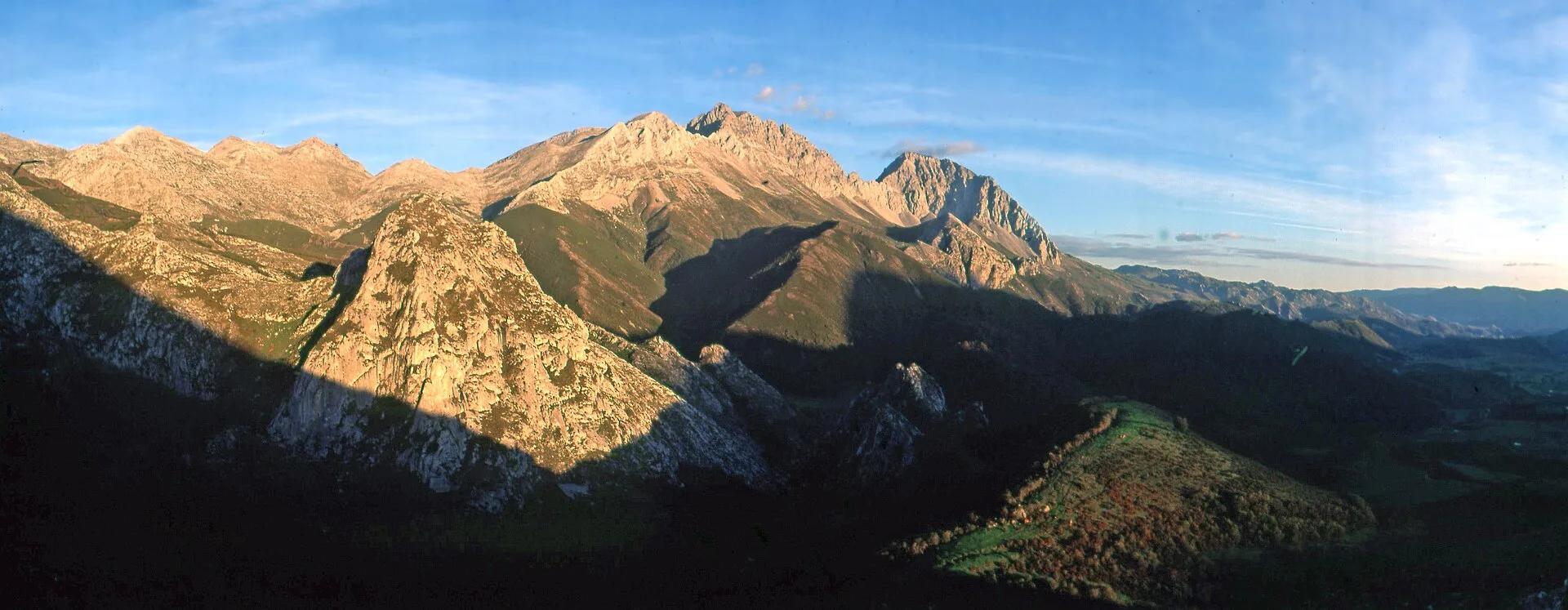
  • Wellness

    La Hermida spa

    La Hermida gorge, Peñarrubia, 90 km from Santander. · Cantabria

    The La Hermida spa, in Peñarrubia, stands next to the gorge of the same name, almost on the border with Asturias, with the Picos de Europa as a backdrop. It reopened in 2006, but its thermal waters, at over 60 °C, have been used since 1881. Spain's tourism board notes that the Santa Catalina viewpoint and the Mount Hozarco mythological trail are close by.

    Checked 3 Nov 2026

    View activity

Culture & local traditionsTop 1064 results

  • Giorgio Galeotti / Wikimedia Commons, CC BY-SA 4.0

    Culture · On your own

    Covadonga: the Santa Cueva and the basilica

    Covadonga, Cangas de Onís, on the road up to the Lakes of Covadonga. · Asturias

    • Site of cultural interest
    • National park

    The Royal Site of Covadonga, linked to the battle that began the Asturian Monarchy, gathers the Santa Cueva, where the Virgin of Covadonga is kept, and the neo-Romanesque basilica of pink limestone built between 1877 and 1901. A place of pilgrimage and a symbol for Asturians, it celebrates Asturias Day each 8 September. Visits are free.

    Checked 6 Nov 2026

    View activity
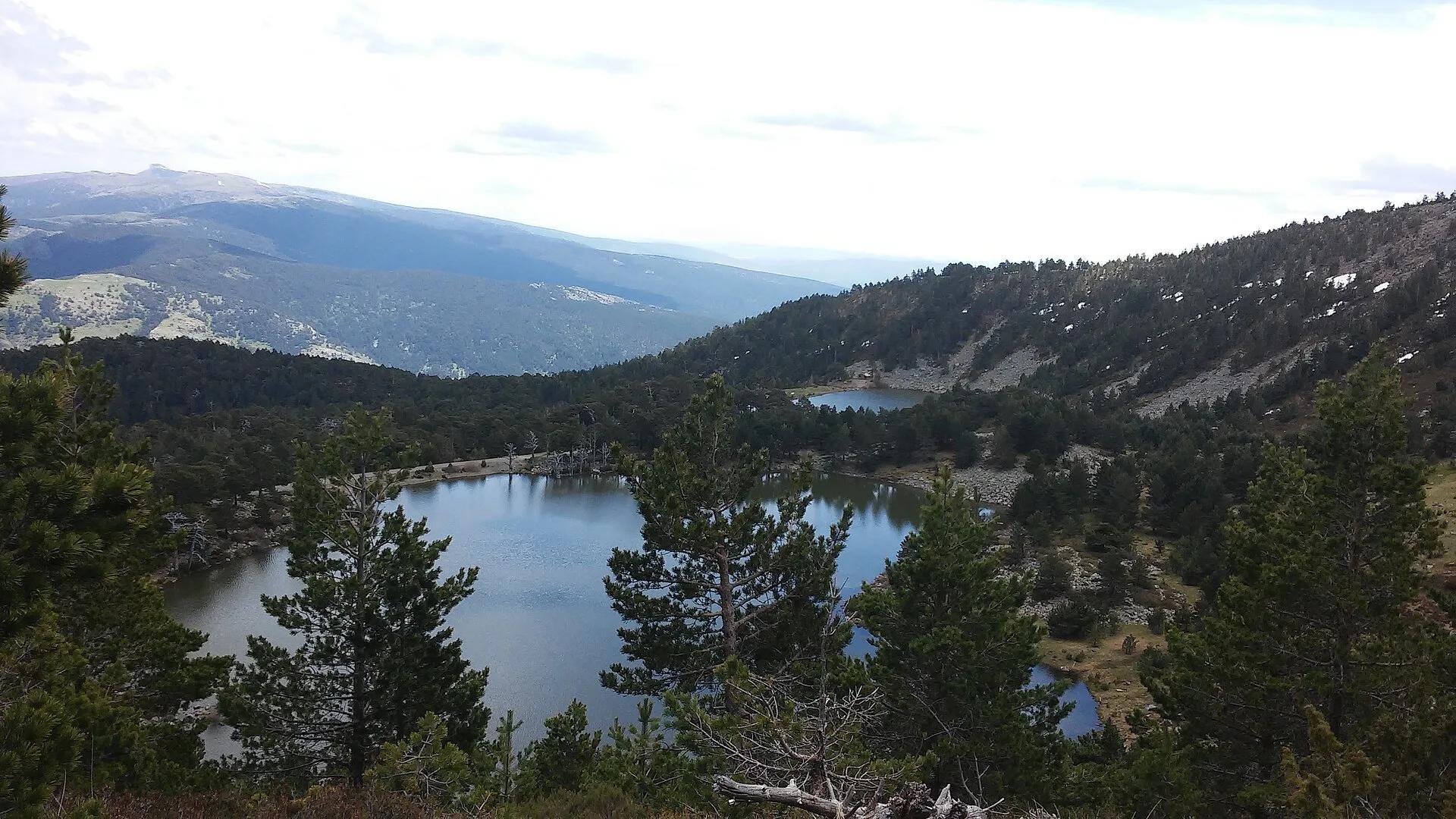
  • Andreas F. Borchert / Wikimedia Commons, CC BY-SA 4.0

    Culture · With a guide or on your own

    Oviedo Cathedral and the Cámara Santa

    Plaza de Alfonso II El Casto, old town of Oviedo/Uviéu. · Asturias

    • UNESCO World Heritage
    • Site of cultural interest

    The Gothic cathedral of San Salvador, built mainly between the 14th and 16th centuries on the site of Alfonso II's basilica, holds the Cámara Santa, a pre-Romanesque chapel from the reign of Alfonso III. Declared World Heritage in 1998, it is one of Christianity's most important reliquaries, keeping the Holy Shroud and royal crosses, and its carved apostles are considered one of the great works of their period.

    Checked 6 Nov 2026

    View activity
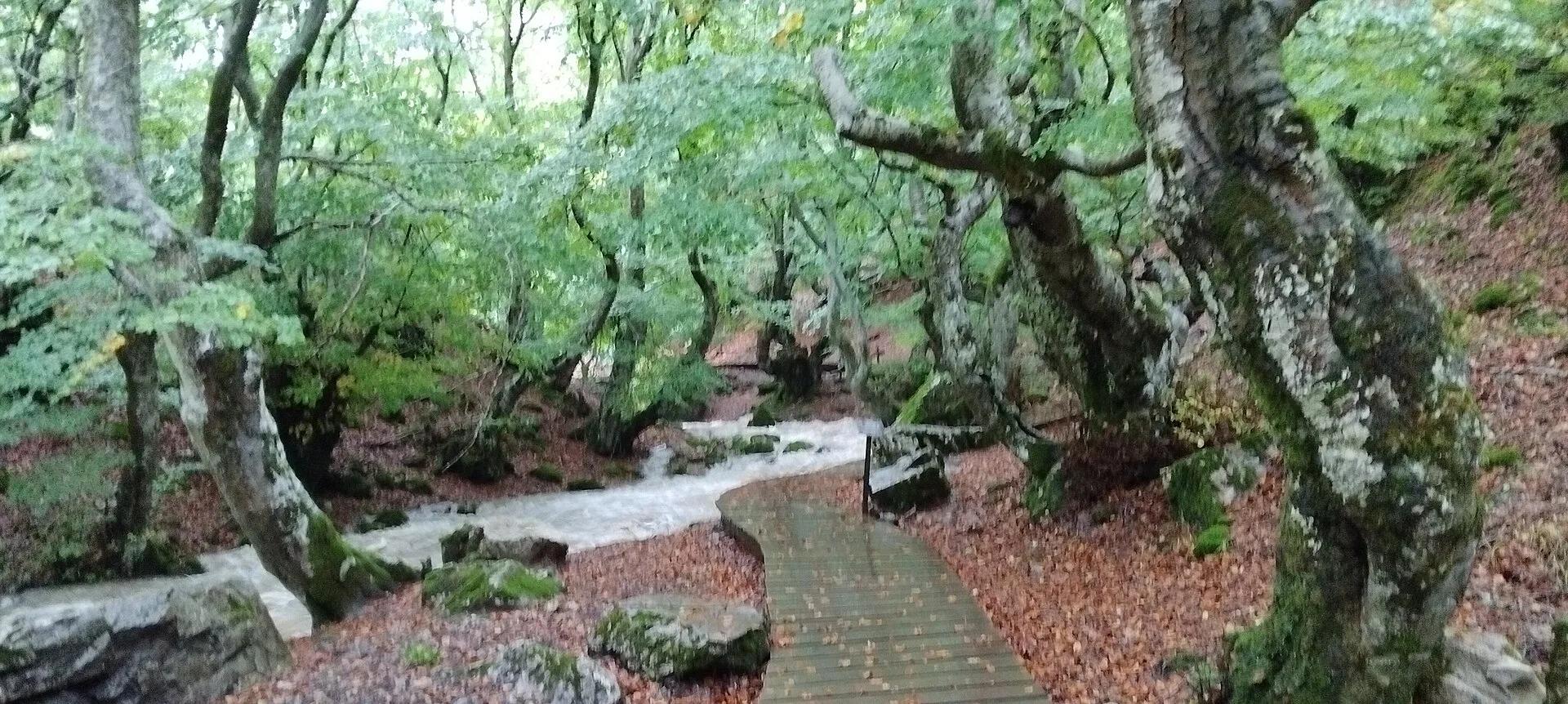
  • Simon Burchell / Wikimedia Commons, CC BY-SA 4.0

    Culture · On your own

    Walking the Roman wall of Lugo

    Old town of Lugo; Wall Interpretation Centre at Praza do Campo 11. · Lugo

    • UNESCO World Heritage
    • Site of cultural interest

    Built between the end of the 3rd and the beginning of the 4th century, Lugo's wall runs for more than two kilometres around the old town; 71 of its original 85 towers survive and it has ten gates. Turismo de Galicia calls it the only Roman wall in the world preserved almost in its entirety, and UNESCO declared it a World Heritage Site in 2000. The Wall Interpretation Centre on Praza do Campo explains its history with audiovisual displays.

    Checked 6 Nov 2026

    View activity
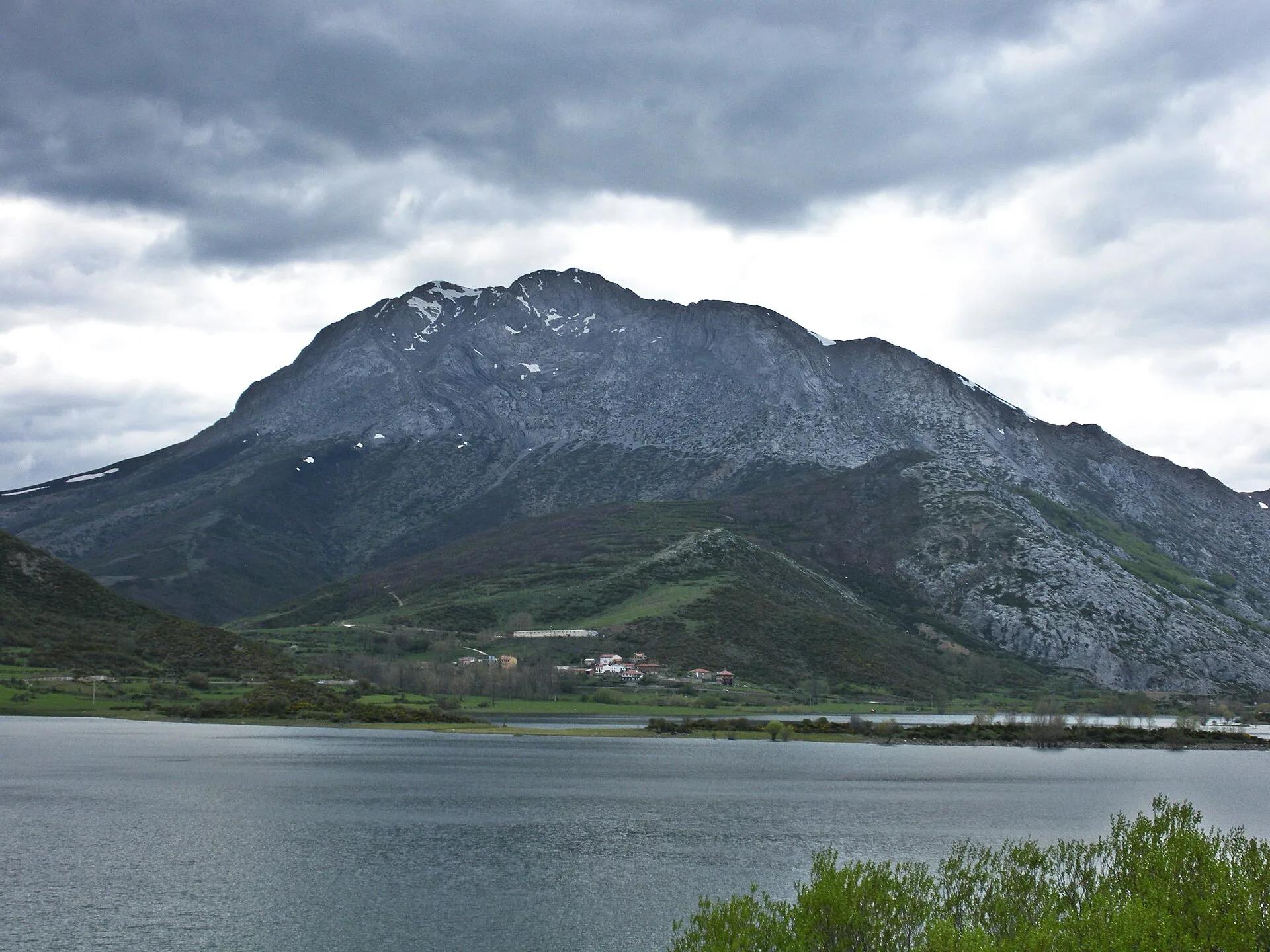
  • amaianos from Galicia / Wikimedia Commons, CC BY 2.0

    Culture · With a guide

    Guided tour of the rooftops of Santiago Cathedral

    Santiago de Compostela Cathedral; the tour meets at the Palacio de Gelmírez reception on the Praza do Obradoiro. · A Coruña

    • UNESCO World Heritage
    • Site of cultural interest

    The cathedral's own museum runs a guided tour across the stepped stone roofs of Santiago Cathedral and up to the Torre de la Carraca, about 72 metres above the ground. It lasts about 60 minutes and climbs 140 steps through the tower's internal staircases. The ticket also gives access to the museum's permanent collection, the Palacio de Gelmírez and the Pórtico de la Gloria crypt.

    Checked 6 Nov 2026

    View activity
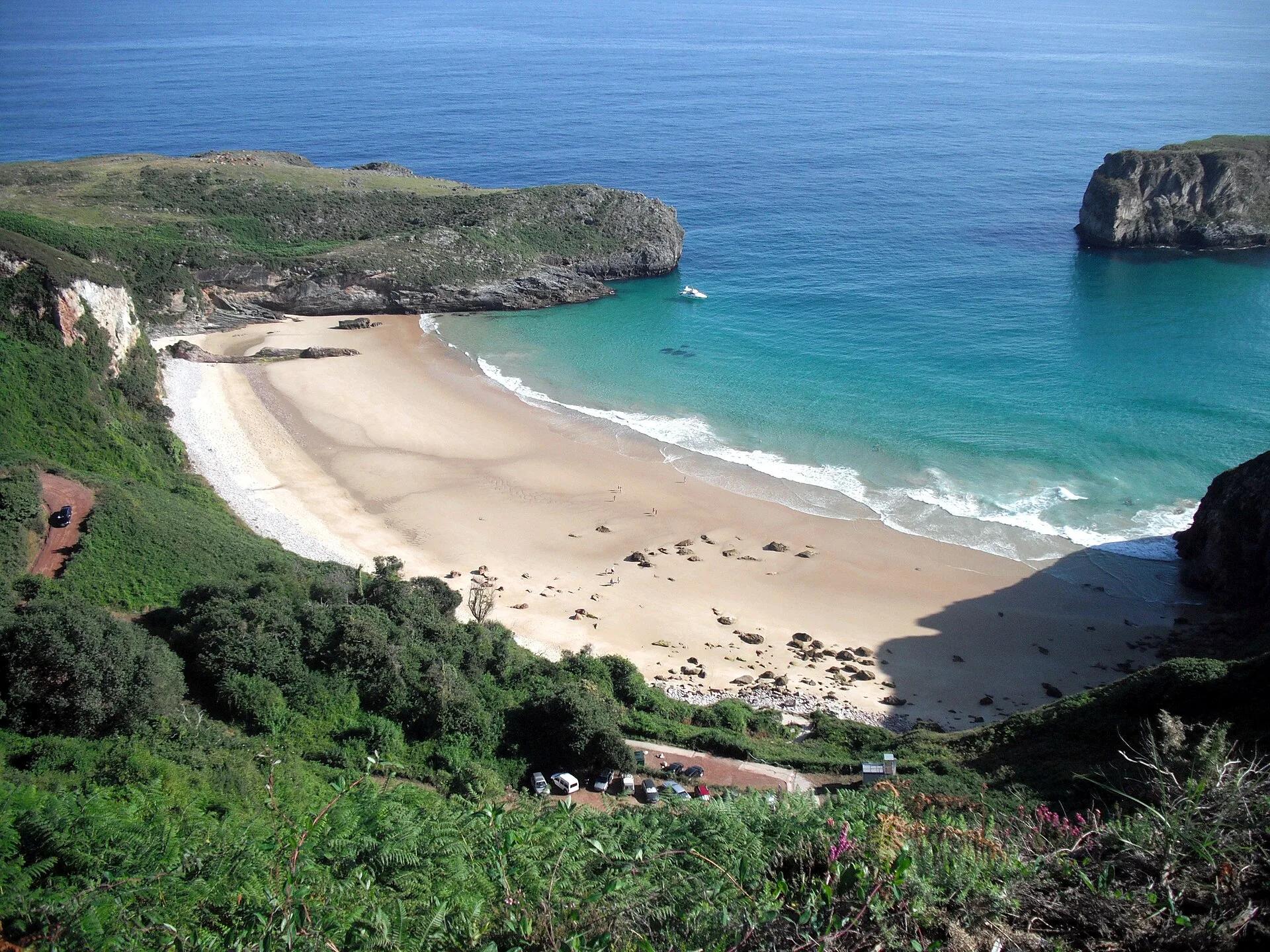
  • Luis Miguel Bugallo Sánchez (Lmbuga) / Wikimedia Commons, CC BY-SA 4.0

    Culture · With a guide

    Guided visit to the monastery of Samos

    Samos, on the Camino Francés (Lugo). · Lugo

    • UNESCO World Heritage
    • Site of cultural interest

    Founded in the 6th century, the Benedictine monastery of Samos is, according to the Deputación de Lugo, one of the oldest in the West and is still a working community. Its large Herrerian cloister of almost 3,000 m² is among the biggest in Spain, and the smaller Nereidas cloister has a Baroque fountain at its centre. Visits are guided and last about 40 minutes; nearby stands the 9th-century Chapel of the Cypress.

    Checked 6 Nov 2026

    View activity
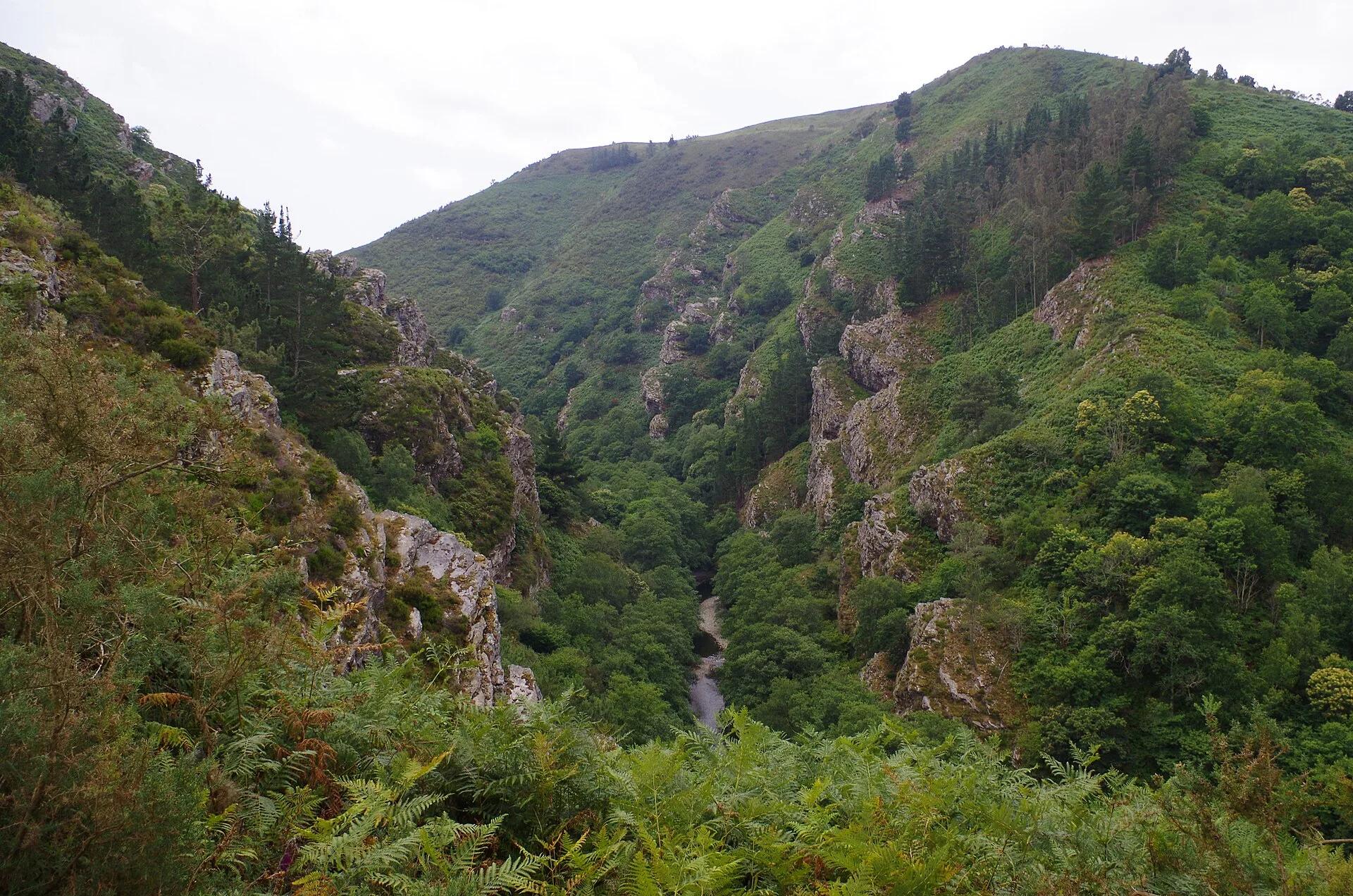
  • José Ligero Loarte / Wikimedia Commons, CC BY-SA 4.0

    Culture · With a guide or on your own

    Burgos Cathedral

    Plaza de Santa María, Burgos city centre. · Burgos

    • UNESCO World Heritage
    • Site of cultural interest

    Built between 1221 and 1567, Burgos Cathedral is, in its own words, a complete example of the evolution of Gothic, on a Latin-cross plan of about 84 by 59 metres. It is a World Heritage site. Visitors can hire radio guides at the ticket office or use a downloadable multimedia guide, and the cathedral also offers a night visit and a guided visit to the quarries its stone came from.

    Checked 6 Nov 2026

    View activity
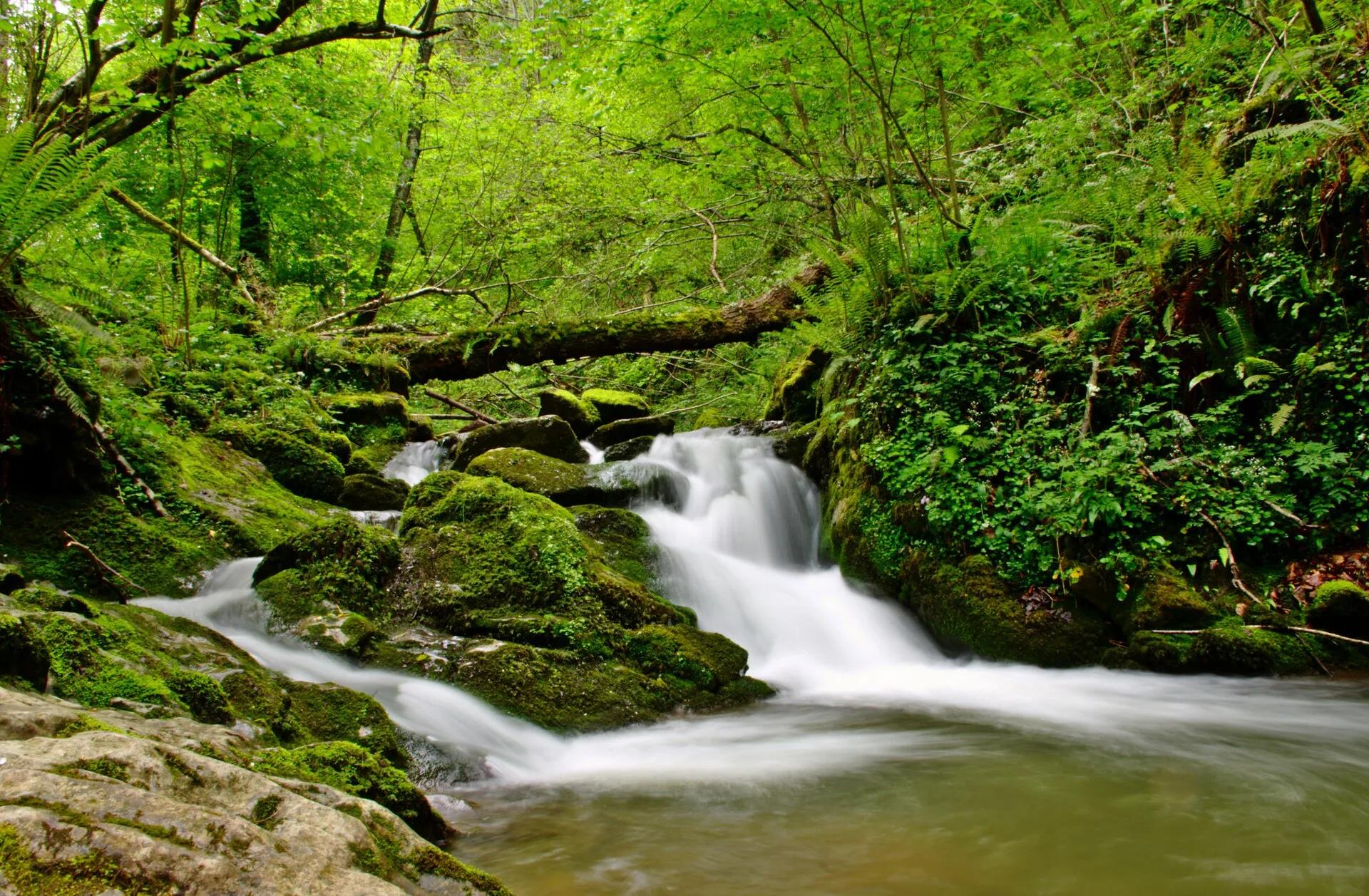
  • Fernando / Wikimedia Commons, CC BY-SA 4.0

    Culture · With a guide or on your own

    San Martín de Tours, Frómista

    Frómista, on the Camino de Santiago, about 32 km from Palencia. · Palencia

    • UNESCO World Heritage
    • Site of cultural interest

    Right on the Camino de Santiago, this late 11th-century church is one of the key works of Palencian Romanesque. More than 300 carved corbels run under its eaves. It has been a National Monument since 1894, and guided visits of the village's monuments can be booked.

    Checked 6 Nov 2026

    View activity
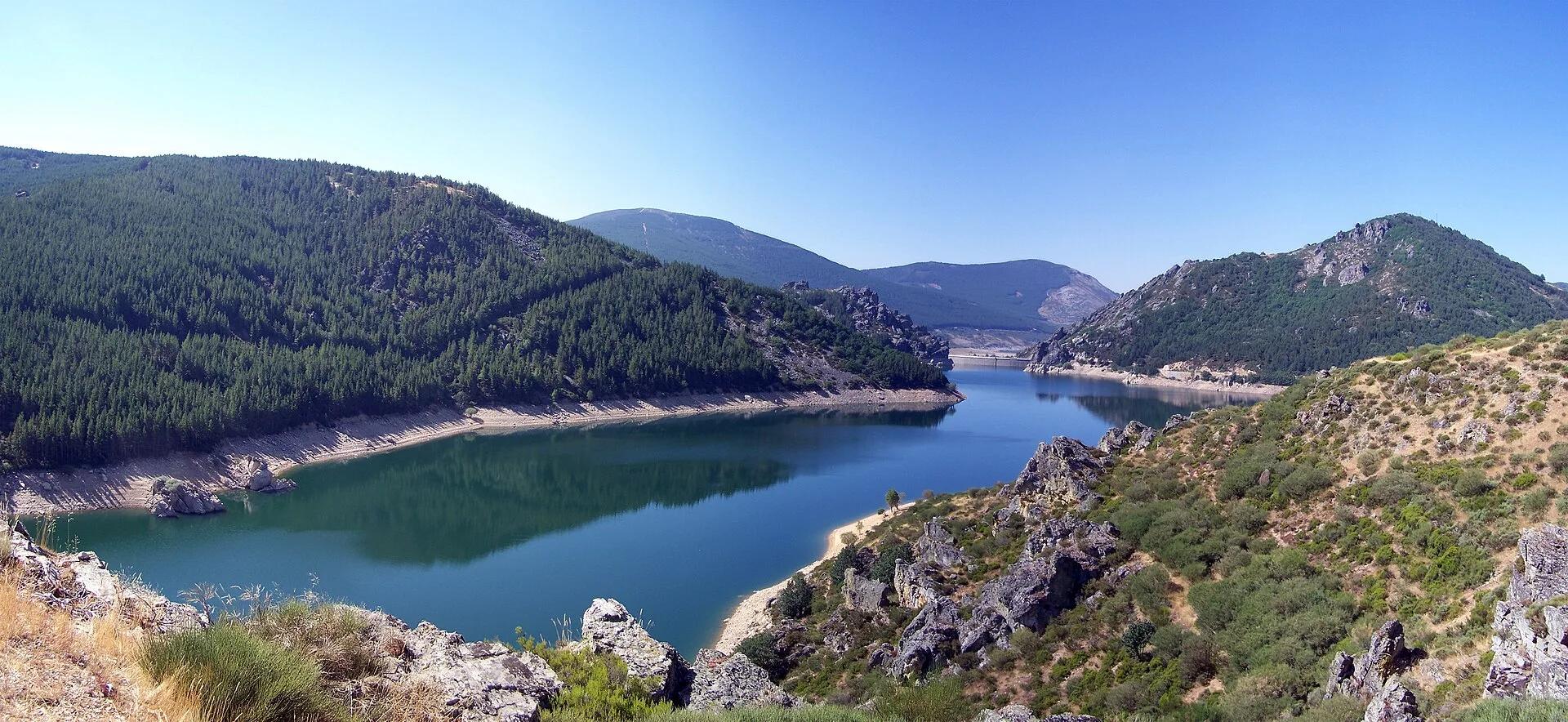
  • Thilo Parg / Wikimedia Commons, CC BY-SA 4.0

    Culture

    Visit to El Castillo cave, Puente Viesgo

    Monte Castillo, beside the river Pas at Puente Viesgo; tickets at the Centro de Arte Rupestre de Cantabria. · Cantabria

    • UNESCO World Heritage

    The caves of Monte Castillo at Puente Viesgo are a group of four caves with Palaeolithic rock art, World Heritage since 2008; two of them, El Castillo and Las Monedas, are open to the public. Along the almost 275 metres that visitors walk in El Castillo there are more than 275 figures, including over 50 hands, and the regional government's cave website says it holds the oldest Palaeolithic art in the world, at least 40,800 years old.

    Checked 3 Nov 2026

    View activity
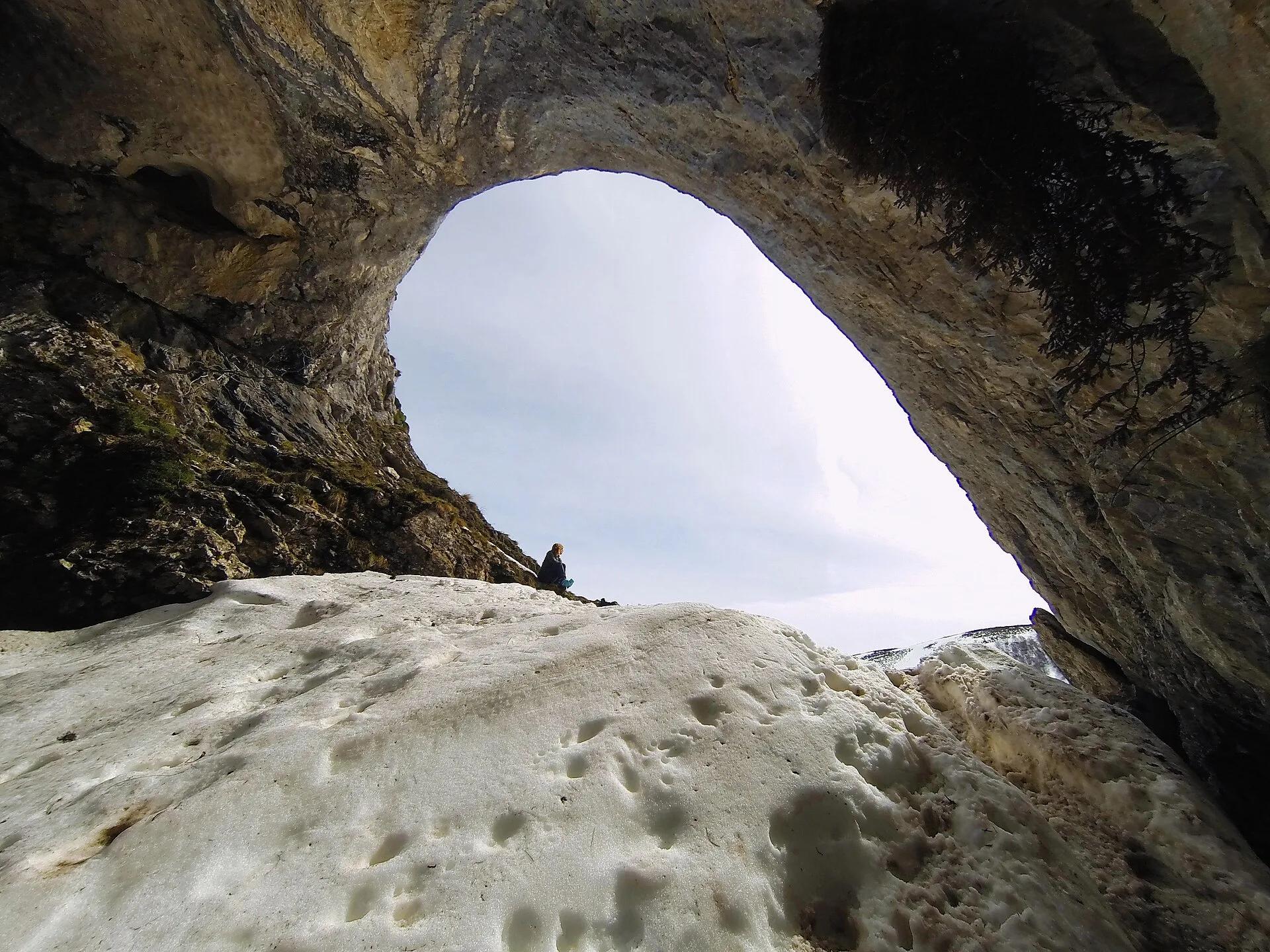
  • Culture · On your own

    Aquis Querquennis Roman camp and the Via Nova

    Porto Quintela, Baños, Bande (Ourense). · Ourense

    • Site of cultural interest
    • UNESCO Biosphere Reserve

    On the banks of the Limia at Porto Quintela, Aquis Querquennis is a rectangular Roman military camp with thick walls, occupied for about fifty years (79–120 AD) and linked to the building of the Via Nova between Braga and Astorga. Two of its gates and the headquarters building (principia) have been restored, while part of the site was covered by the As Conchas reservoir in 1949. The Aquae Querquennae–Via Nova interpretation centre is on the way in.

    Checked 6 Nov 2026

    View activity
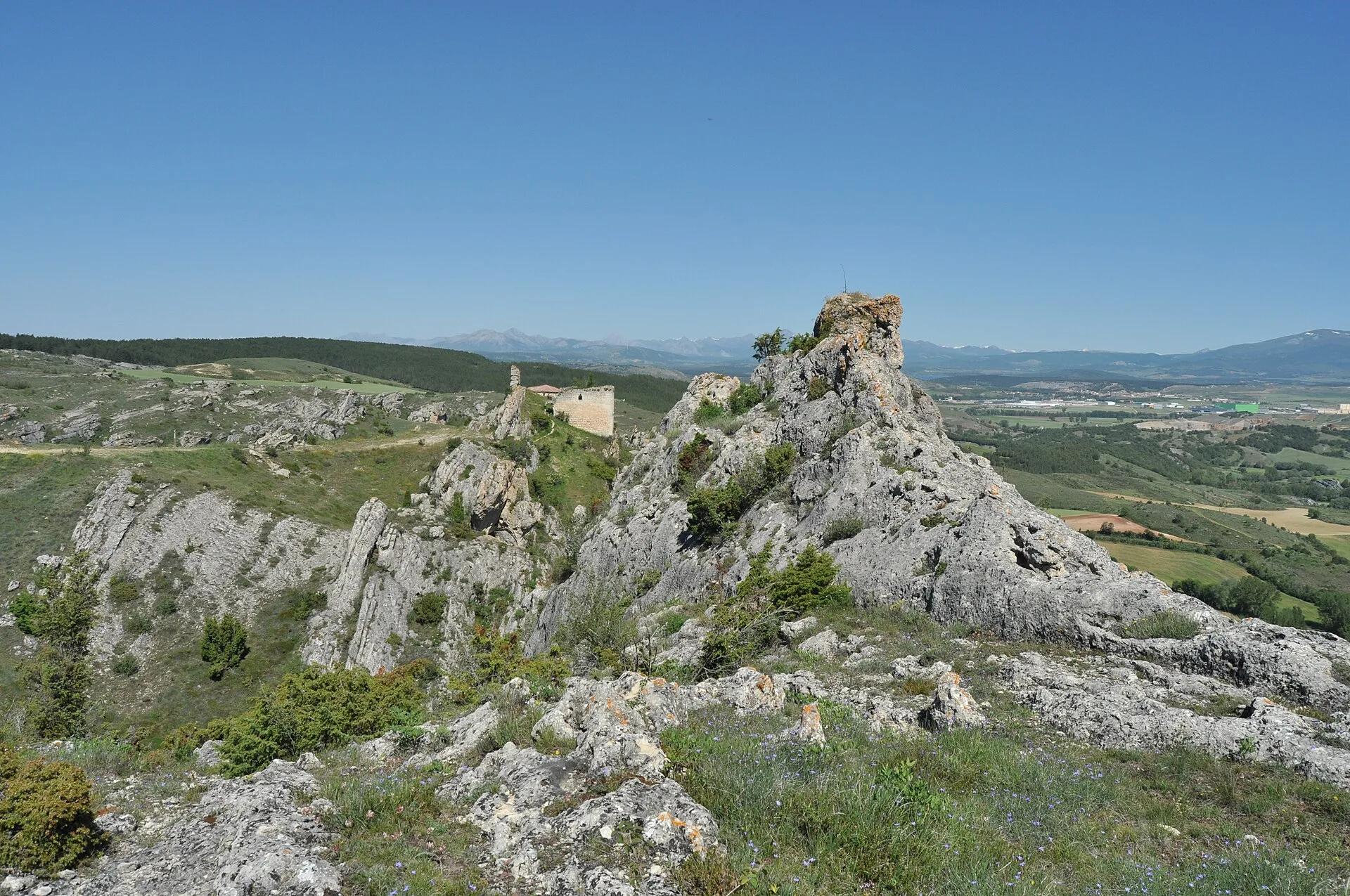
  • Rafael Ibáñez Fernández / Wikimedia Commons, CC BY-SA 3.0

    Culture · With a guide · Easy

    Guided walk through Las Médulas: Las Valiñas and the Orellán viewpoint

    From the village of Las Médulas, El Bierzo, León. · León

    • UNESCO World Heritage

    The Fundación Las Médulas runs guided visits through the year in the Roman gold-mining landscape of Las Médulas, a World Heritage site. Its featured route leaves from the village of Las Médulas into the Las Valiñas amphitheatre, with explanations of how the Roman mine worked. The walk is short and gentle, and the foundation designs its routes for families.

    Checked 6 Nov 2026

    View activity
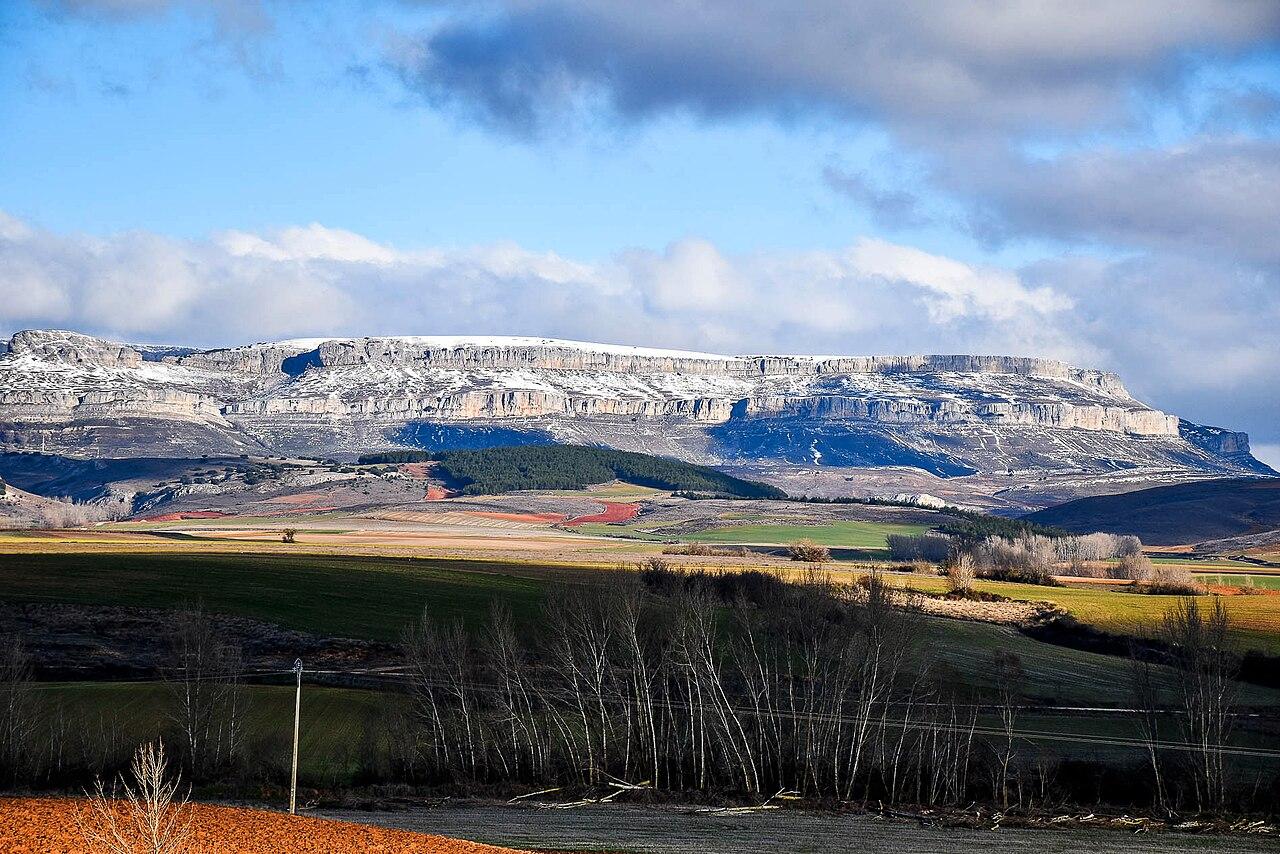
Illustration · not a photograph

Adventures for families

Activities their sources describe as suitable for families or children. Check ages and conditions with the organiser before you go.

Show family activities · 60 family activities

The adventure

A little adventure, your way

Growth rarely happens in the middle of what feels familiar. It begins at the edge: a steeper path, a colder river, a first wave, a night without a roof.

  1. Easygoing

    Take your time

    Gentle first steps: a lakeside walk in the high mountains, sea caves at low tide, a calm stretch of river in a canoe.

  2. Explore more

    Try something different

    Longer days and real effort: a car-free mountain village, a first surf lesson.

    • Illustration (AI-generated): beginners on soft surfboards on a sandy beach listening to an instructor, waves breaking and green cliffs behind
      Explore more

      A first surf lesson

      Playa de San Antolín

      San Antolín, near Llanes, is one of the best-known surf beaches. Book a licensed school, which chooses the conditions for your level.

      Add to a trip Playa de San Antolín

      In the suggested trip: Wild Atlantic Coast

      Tierra Luma Vision · an illustration, not a photograph of this place

    • Illustration (AI-generated): three hikers on a steep stone path towards a small stone hamlet on a green mountainside, with mist in the valleys
      Explore more

      A mountain path to a high village

      Bulnes

      Bulnes has no road. Walk up the steep Canal del Texu from Poncebos, about 400 m of climbing, or take the funicular inside the mountain.

      Add to a trip Bulnes

      Tierra Luma Vision · an illustration, not a photograph of this place

  3. Big adventure

    For experienced explorers

    Serious days for prepared, experienced people: the full gorge path cut into the cliffs, the long walk through an old beech forest, a summit above the sea, and the approach to the Picos' great limestone tower.

    • Illustration (AI-generated): a lone hiker on a path through old beech woodland in autumn, copper leaves, mossy trunks, fog and sunbeams
      Big adventure

      An old beech forest

      Bosque de Peloño

      Peloño, in Ponga Natural Park: about 14 km each way from Les Bedules, rated very hard by Turismo Asturias. Turn back whenever you like.

      Add to a trip Bosque de Peloño

      Tierra Luma Vision · an illustration, not a photograph of this place

    • Illustration (AI-generated): two hikers on a grassy summit at sunrise above a sea of clouds, looking over the coast and limestone mountains
      Big adventure

      A summit above the sea

      Picu Pienzu

      Picu Pienzu, the top of the Sierra del Sueve, from the Fitu viewpoint: 11.7 km there and back with 700 m of climbing, rated hard.

      Add to a trip Picu Pienzu

      Tierra Luma Vision · an illustration, not a photograph of this place

These are real places in eastern Asturias, not Tierra Luma activities, and nothing here is offered or guided by us yet. The levels are an invitation, not a difficulty or safety rating: go with local guides where it matters, and check conditions before you set out.
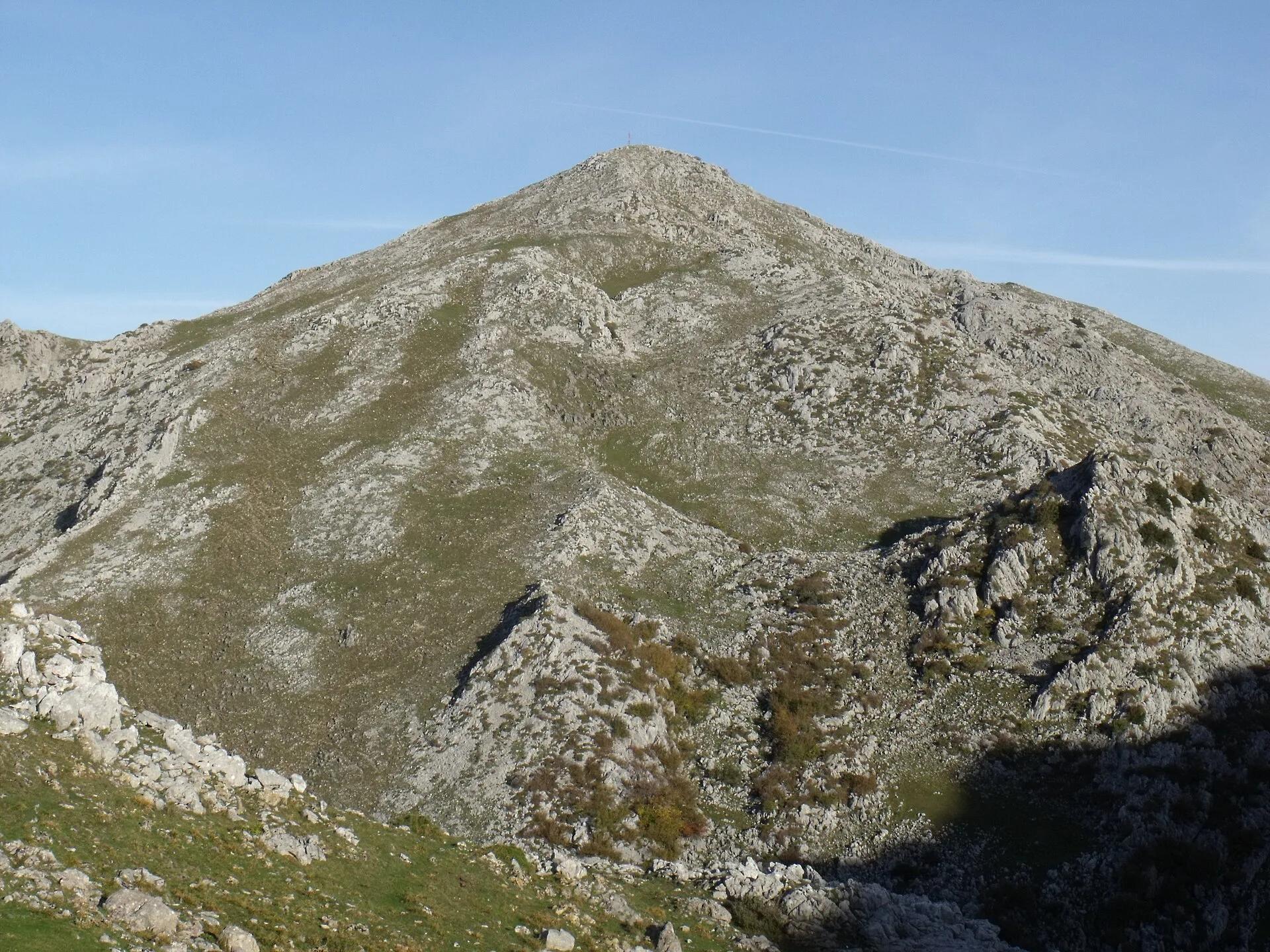
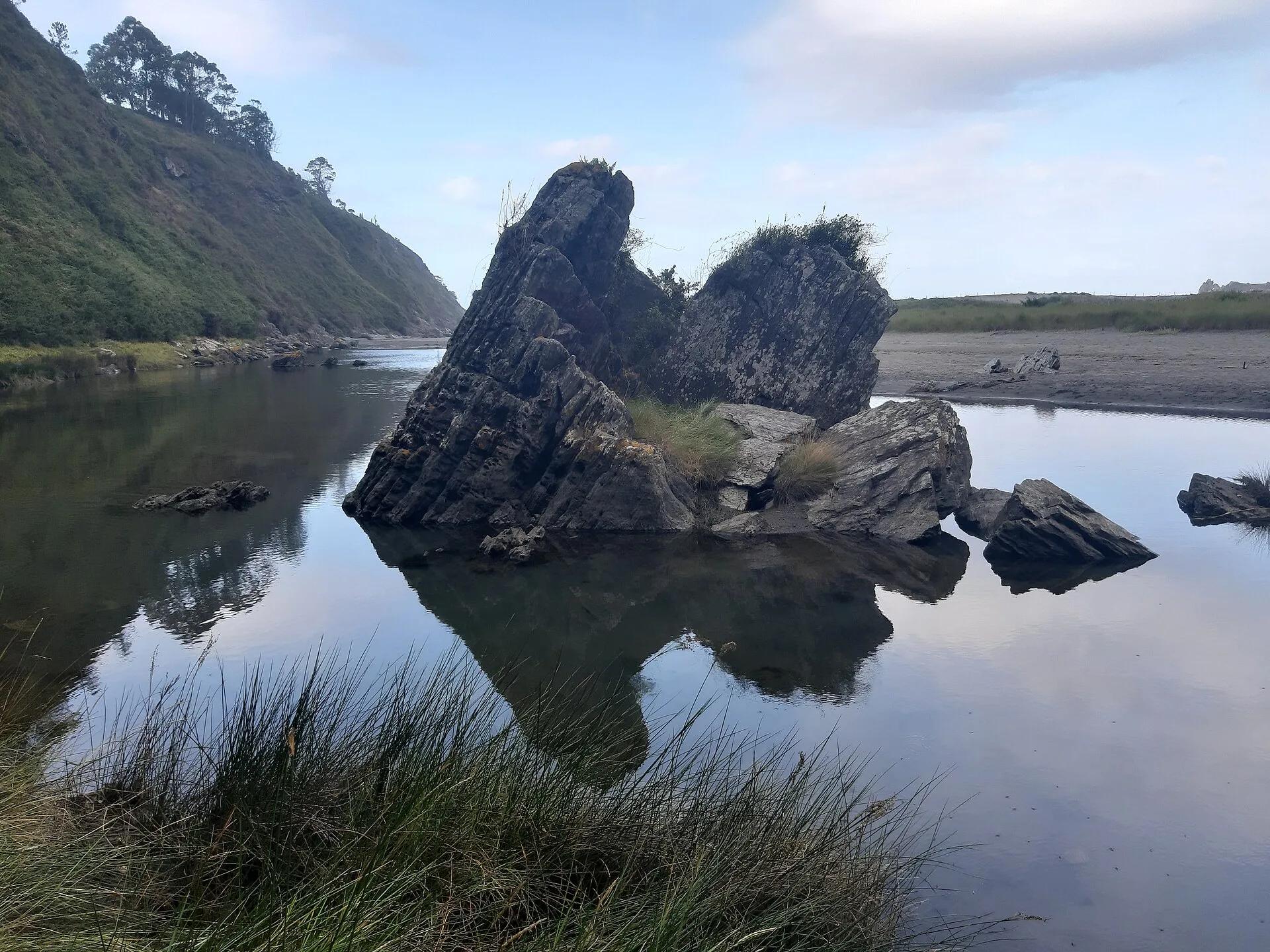
Plan your own trip

Where to enjoy these activities
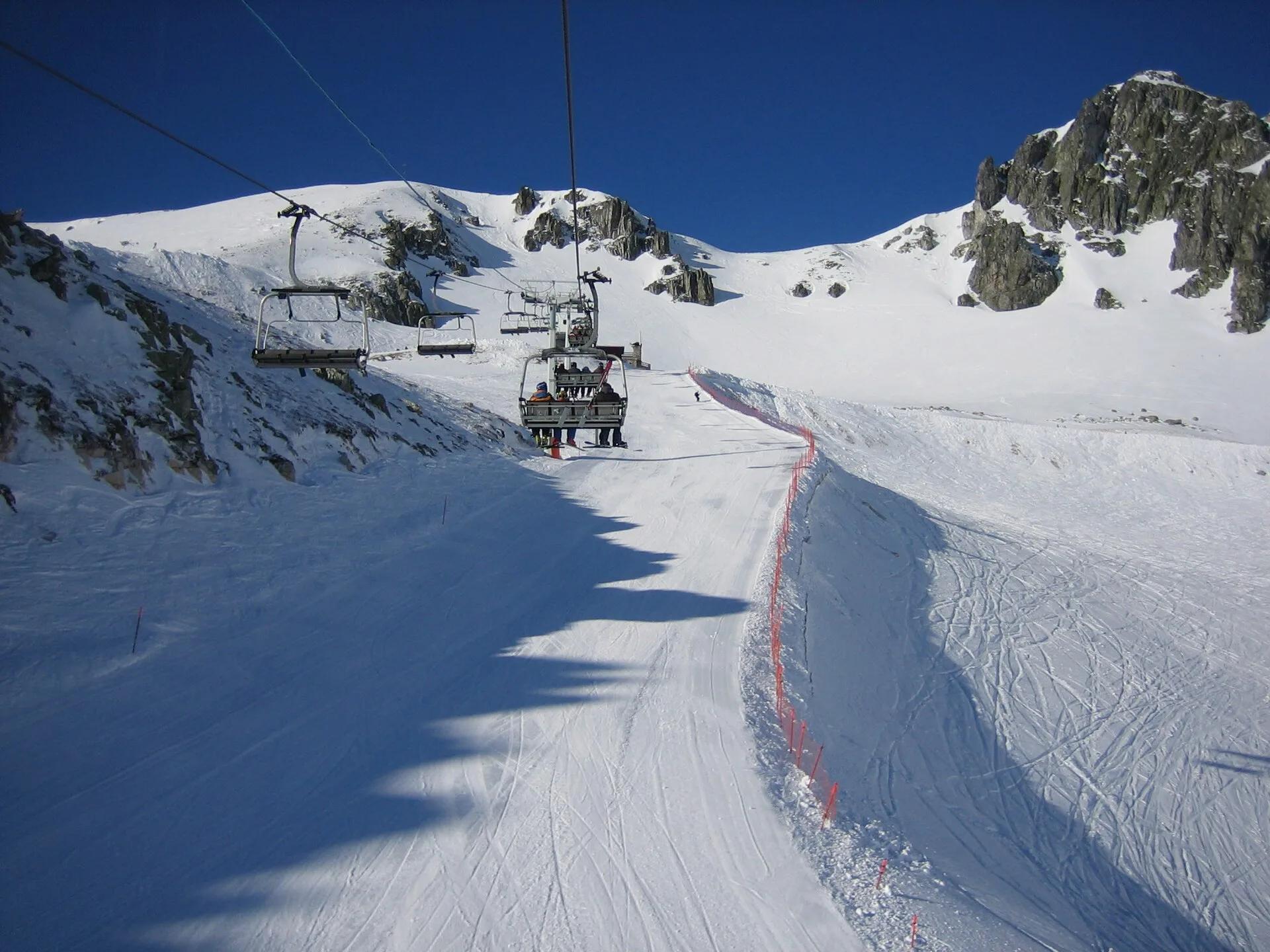
The places in the guide connected to each activity, across all eight provinces. Save your favourites to a trip.

Explore by season

Places, activities and festivals whose own sources name this time of year. Places that are good all year round are left out.

From each record's sources; conditions and access change, so check before you go.

CreditsPrivacyLegal notice

The pictures are illustrations (Tierra Luma Vision concept art), not photographs: nothing has been bought or built yet.

Add to a trip